
Overview
The North American Nintendo eShop received a substantial refresh on November 12, delivering more than thirty new titles to a platform that has, for nearly a decade, balanced a tightly curated first‑party lineup with a growing catalogue of indie and third‑party offerings. This wave arrives at a pivotal moment: the Switch is entering its sixth year, its hardware is approaching the limits of what developers can squeeze from its Tegra X1‑based architecture, and rumors of a next‑generation “Switch 2” have begun to dominate analyst briefings. In this context, each new addition to the digital storefront does more than simply expand consumer choice—it serves as a barometer for Nintendo’s willingness to lean into a broader ecosystem while still protecting the sanctity of its flagship franchises.
Beyond the raw number of games, the update is marked by three notable discount promotions that slash prices on legacy titles, a tactic Nintendo has refined since the launch of the eShop in 2017. Historically, price cuts have acted as a catalyst for reviving sales momentum on older IPs, a strategy that proved effective during the 2020 pandemic surge when budget‑friendly bundles drove record‑high digital revenue. The current discounts, therefore, are not merely a seasonal gesture; they reflect a calculated effort to keep the Switch’s library vibrant, encourage cross‑generational play, and maintain a healthy churn rate as the console’s install base matures.
What Happened?
In the latest eShop bulletin, Nintendo confirmed that more than thirty games will become available for download, ranging from polished indie gems to heavyweight third‑party franchises that have historically struggled to find a home on Nintendo hardware. Among the announced titles are a revamped classic platformer that leverages the Switch’s handheld mode for on‑the‑go sessions, a narrative‑driven adventure from a studio renowned for its cinematic storytelling, and a collection of retro arcade compilations that tap into the nostalgia market that has buoyed the Switch’s sales since 2018. The breadth of the lineup underscores Nintendo’s ongoing commitment to diversify its software pipeline, a shift that began in earnest with the 2019 “Nintendo Direct” push to welcome developers like Bethesda and Square Enix onto the platform.
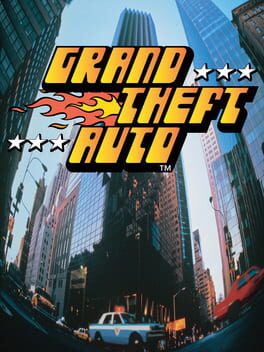
Accompanying the new releases are three time‑limited discount events targeting both legacy and recent releases. While the headline‑grabbing discounts on marquee titles such as a flagship RPG and a beloved platform series are expected to drive immediate spikes in download volume, the more modest reductions on indie titles aim to nurture a long‑tail revenue model. Notably, the announcement also reiterated that a highly anticipated Grand Theft Auto port will not arrive on the forthcoming Switch 2 next Thursday, a reminder that despite Nintendo’s expanding third‑party relationships, certain technical constraints and licensing negotiations still shape the ecosystem’s boundaries.
Analysis
The influx of over thirty games this week can be read as a defensive maneuver against the encroaching pressure from competing handheld and hybrid devices, most prominently Valve’s Steam Deck and the upcoming PlayStation 5 handheld rumors. By bolstering the eShop’s catalogue, Nintendo not only enhances the perceived value of the existing Switch hardware but also creates a richer pipeline of content that can be seamlessly migrated to any future hardware iteration, preserving consumer investment. Moreover, the strategic use of discounts aligns with a broader industry trend where digital storefronts leverage price elasticity to smooth out revenue valleys that typically follow major launch windows. This approach also mitigates the risk of a “digital desert” as the console ages, ensuring that active users remain engaged and that the platform’s monthly active user (MAU) metrics stay robust for advertisers and potential licensing partners.
From a developer perspective, the announcement signals a maturing relationship between Nintendo and mid‑tier studios that once viewed the Switch as a niche market. The presence of titles that push the console’s graphical envelope, coupled with the promise of future hardware upgrades, suggests that Nintendo is gradually easing the technical gatekeeping that once limited third‑party ambition. However, the absence of a GTA port on the upcoming Switch 2 highlights lingering challenges: the need for higher processing power, more sophisticated networking stacks, and the complexities of cross‑platform parity. These hurdles will likely shape Nintendo’s roadmap, pushing the company to balance its iconic low‑cost, family‑friendly identity with the demands of a more demanding gamer demographic.
XPLog Opinion
At XPLog UK we view this eShop surge as a decisive affirmation that Nintendo is no longer content to rely solely on its evergreen franchises; the company is actively courting a broader, more mature audience by expanding its digital shelf life and employing aggressive price strategies that echo the tactics of Steam and the Epic Store. While the Switch’s hardware may soon feel dated compared to the raw horsepower of next‑gen rivals, the sheer volume of fresh content—especially when paired with strategic discounts—offers a compelling value proposition that could prolong the console’s commercial relevance well into the next console generation.
Final Thoughts
In sum, the November 12 eShop update represents more than a simple catalogue refresh; it is a calculated effort by Nintendo to sustain engagement, diversify revenue streams, and lay groundwork for a seamless transition to its anticipated next‑generation hardware. Players should keep an eye on the upcoming quarterly earnings report for early indicators of how these new titles and discount campaigns translate into digital sales, and watch for any further announcements regarding the Switch 2’s launch window, which promises to reshape the strategic calculus for both developers and the broader console market.