
Overview
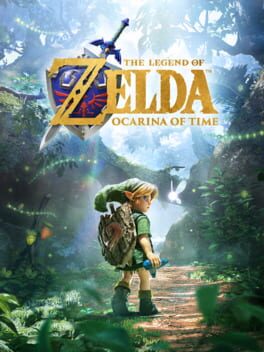
The Legend of Zelda: Ocarina of Time has long been regarded as a watershed moment in 3D action‑adventure design, setting a template that countless developers have emulated for over two decades. Its forthcoming remake for the Nintendo Switch arrives at a time when the industry is wrestling with the tension between preserving beloved memories and leveraging contemporary technology to meet the expectations of a more mature, horror‑savvy audience. As Nintendo prepares to re‑introduce Hyrule’s iconic dungeons to a generation that has grown up with photorealistic monsters and psychological dread, the company faces a delicate balancing act: how far can it push the envelope without alienating the core fanbase that cherishes the original’s relatively light‑hearted tone?
One of the most polarising elements of the original game was the ReDead, the ghastly, zombie‑like specters that could freeze Link with a single, bone‑chilling stare. In 1998, those enemies were terrifying primarily because of the limited visual fidelity and the player’s imagination. Today, with the Switch’s hardware allowing for higher resolution textures, dynamic lighting, and more nuanced audio design, the potential to transform the ReDead from a simple jump‑scare into a genuinely unsettling encounter is enormous. Yet, according to recent developer commentary, Nintendo elected to “dial it back,” opting for a less extreme horror experience. This decision opens a window onto broader industry trends concerning the integration of horror mechanics into traditionally family‑friendly franchises.
What Happened?
During the latter stages of development, the Ocarina of Time remake’s art and design leads experimented with a markedly darker aesthetic for the ReDead. Early playtests featured elongated, gaunt models, hyper‑realistic decay textures, and an unsettling, low‑frequency moan that resonated through the player’s headphones. The team reportedly pushed the creature’s AI to react more aggressively, forcing Link into frantic escape sequences that mirrored modern survival‑horror pacing. Producer Kenta Motokura, in a post‑mortem interview, admitted that the team “went a step too far” when the ReDead began to dominate the emotional tone of the dungeons, threatening to eclipse the adventure‑driven narrative that Zelda is famed for.
Faced with internal feedback and community expectations, Nintendo made a conscious choice to temper the ReDead’s fright factor. The final build retains the iconic visual silhouette but replaces the hyper‑realistic gore with a stylised, shadow‑based design that leans on the series’ long‑standing cartoonish charm. Audio cues were softened, and the enemy’s detection radius was narrowed, ensuring that the encounter remains tense without devolving into outright terror. This recalibration reflects a strategic decision to keep the remake accessible to younger players while still offering a nostalgic thrill for veterans.
Analysis
The ReDead’s tonal adjustment is emblematic of Nintendo’s broader market positioning. In an era where titles like Resident Evil Village and The Last of Us Part II are redefining horror’s narrative depth, Nintendo must decide whether to compete on sheer fright intensity or to leverage its unique brand identity—whimsical yet challenging gameplay. By dialing back the horror, Nintendo safeguards the franchise’s cross‑generational appeal, preserving its suitability for family play sessions and maintaining a clear differentiation from the mature‑rated competitors that dominate the horror niche.
From a technical standpoint, the decision also mitigates risk associated with performance constraints on the Switch. Rendering high‑fidelity horror assets—particularly those that rely on complex shaders for realistic skin and fluid dynamics—can strain the console’s GPU, potentially compromising frame‑rate stability in a game that demands precise timing for combat and platforming. The compromise allows the development team to allocate resources toward polishing core systems such as physics, lighting, and world‑building, which have a more direct impact on the overall player experience and long‑term replayability.
XPLog Opinion
In our view, Nintendo’s restraint is a savvy move that underscores the company’s mastery of brand stewardship. While the temptation to inject modern horror sensibilities into a classic could generate headline buzz, it would also risk eroding the delicate nostalgia that fuels the remake’s commercial engine. By opting for a measured scare, Nintendo respects the original’s design philosophy and reinforces the notion that terror can be effective without overwhelming the player—a lesson that many third‑party studios could learn from as they chase shock value over substance.
Final Thoughts
The Ocarina of Time remake will launch later this year, and the ReDead will once again stalk Hyrule’s shadowy corridors, albeit with a gentler chill. This compromise illustrates Nintendo’s strategic foresight: embracing technological advancement while preserving the series’ core identity. As the industry watches, the upcoming release will serve as a litmus test for how legacy franchises can evolve horror elements without alienating their foundational audiences, a balance that will shape future remakes across the console ecosystem.