
Overview
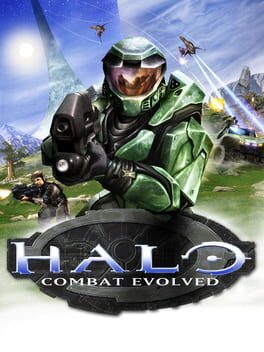
The original Xbox, launched in 2001, marked Microsoft’s bold entry into the console wars, offering hardware that rivaled Sony’s PlayStation 2 and Nintendo’s GameCube. Over two decades later, the console’s library remains a nostalgic touchstone for a generation of gamers who grew up with titles like "Halo: Combat Evolved" and "Fable"; yet, one glaring omission has persisted—native achievement support, a feature that became a de‑facto standard with Xbox 360 and later consoles. In a landscape where digital trophies and leaderboards have become integral to player engagement, the absence of achievements on the original hardware has long been a sore point for collectors and completionists alike.
Microsoft’s decision to finally back‑port achievements to four OG Xbox games arrives at a moment when the industry is re‑examining its legacy assets. The resurgence of retro hardware, the rise of cloud streaming services, and the growing appetite for curated classic experiences have all nudged the platform holder toward a more inclusive ecosystem. By labeling the move as “one of the top requested features,” Microsoft acknowledges the vocal community that has campaigned through forums, social media, and even unofficial modding efforts to bridge the gap between past and present. This rollout is not merely a nostalgic gesture; it is a strategic signal that the Xbox brand intends to keep its historical catalogue relevant in an era dominated by live services and cross‑generational play.
What Happened?
Earlier today, Microsoft announced the activation of achievement tracking for four seminal Xbox titles, marking the first time these games will award the coveted Xbox Live points that players have come to expect. The selected titles—each a cornerstone of early‑Xbox identity—will now integrate seamlessly with the modern Xbox network, allowing users to earn points, display progress on their profiles, and compare stats with peers across the Xbox family. The announcement, delivered via an official blog post and echoed by the PureXbox community site, emphasized that this is merely the initial wave, with a pipeline of additional classics slated for similar treatment in the months ahead.
Developers from the original studios, alongside Microsoft’s backward‑compatibility team, have reportedly re‑engineered the achievement triggers to work within the constraints of the original game code while preserving the authentic experience. According to statements from the Xbox backward‑compatibility lead, the process involved mapping legacy in‑game milestones to the contemporary achievement schema, ensuring that players receive rewards that feel both nostalgic and meaningful. The rollout also includes a small UI overlay that informs players when an achievement has been unlocked, a subtle yet significant addition that bridges the gap between the original console UI and today’s achievement notifications.
Analysis
From a market perspective, this move bolsters Microsoft’s value proposition for Xbox Game Pass Ultimate, where a growing segment of subscribers seek a curated library of classic games with modern conveniences. By retrofitting achievements, Microsoft not only revitalizes dormant titles but also creates an incentive loop that can increase engagement metrics, such as playtime and daily active users, across its legacy catalog. Competitors like Sony have long offered trophy support for PlayStation 2 and 3 titles via the PlayStation Store, and Nintendo has recently introduced similar systems for its Switch Online retro lineup. Microsoft’s entry into this space re‑establishes parity and may even give it an edge, as the achievement ecosystem is tightly integrated with Xbox Live’s broader social features, from leaderboards to club activities.
Technically, the undertaking underscores the robustness of Microsoft’s backward‑compatibility architecture, which has already demonstrated the ability to run Xbox 360 and select original Xbox titles on modern hardware with minimal performance loss. The achievement integration demonstrates that the underlying emulation layer can accommodate additional metadata without compromising frame rates or stability—a testament to the forward‑thinking design of the original Xbox hardware abstraction. Looking ahead, this could pave the way for more ambitious updates, such as cloud‑saved progress or even limited multiplayer enhancements for titles that were originally single‑player only, further extending the commercial life of the legacy library.
XPLog Opinion
At XPLog UK we view this as a decisive affirmation that Microsoft is treating its past as a strategic asset rather than a nostalgic afterthought; the achievement rollout is a low‑cost, high‑impact maneuver that re‑engages a loyal core audience while subtly reinforcing the Xbox ecosystem’s continuity—a narrative that resonates strongly with gamers who value both heritage and innovation.
Final Thoughts
In sum, the introduction of achievements to four original Xbox games is more than a fan‑service patch; it is a calculated step that enriches the Xbox brand narrative, strengthens Game Pass’s retro offering, and sets a precedent for further legacy enhancements. Players should keep an eye on Microsoft’s upcoming announcements, as the pipeline promises additional titles and possibly deeper integrations that could reshape how we experience the golden era of early‑Xbox gaming.