
Overview
The launch of Barbie Rewind marks a rare moment when a cultural icon’s digital legacy is curated as a single, cohesive experience. Since the early 2000s, the pink‑clad doll has leapt from plastic shelves onto a succession of handheld consoles, home systems, and mobile platforms, amassing a catalog that rivals many long‑running franchises in sheer volume. Those titles—ranging from fashion‑focused dress‑up adventures on the Game Boy Advance to narrative‑driven platformers on the PlayStation 2—were often dismissed by mainstream press as niche “girl games,” yet they cultivated a multigenerational audience that grew up with Barbie as a virtual confidante. By bundling nearly twenty years of these disparate releases into a single, modern wrapper, Barbie Rewind not only celebrates nostalgia but also forces the industry to reckon with the historical marginalisation of titles aimed at young female players.
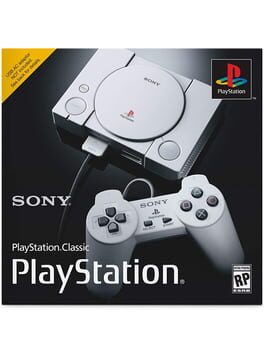
In today’s market, where inclusive design and representation have moved from buzzwords to boardroom mandates, the timing of this compilation is striking. The last few years have seen a resurgence of retro collections—such as the SEGA Genesis Mini and PlayStation Classic—yet few have targeted the gendered segment that Barbie occupies. By presenting the games alongside a fresh “decorating” mode that lets players curate their own virtual showcase, the publisher is attempting to bridge the gap between preservation and contemporary engagement, positioning the collection as both an archival repository and a living playground for a new generation of gamers.
What Happened?
Earlier today, the development studio behind the Barbie brand announced that Barbie Rewind is now available across major platforms, including PC, Nintendo Switch, and the latest generation of consoles. The compilation pulls together titles originally released on platforms as varied as the GameCube, Xbox 360, and iOS, all of which have been meticulously emulated and, where possible, remastered to meet modern performance standards. Notably, the collection includes one previously unreleased game—a prototype that was shelved during the PlayStation 2 era due to shifting market priorities—offering fans a rare glimpse into a what‑could‑have‑been chapter of Barbie’s digital saga.
Accompanying the game library is a newly built “Barbie Studio” mode, a sandbox environment that lets players arrange virtual rooms, display collectibles, and even design custom outfits for the doll using assets harvested from the included titles. In a statement, the lead producer emphasized that the goal was to “honour the past while giving players the tools to create their own Barbie story today,” underscoring a strategic pivot toward user‑generated content that aligns with broader industry trends toward personalization and community‑driven longevity.
Analysis
The commercial implications of Barbie Rewind are multifaceted. On one hand, the collection taps into a lucrative nostalgia market that has proven resilient, especially as millennials who grew up with early Barbie games now possess disposable income and a yearning for retro experiences. On the other hand, the inclusion of a modern creative sandbox signals an attempt to extend the product’s lifecycle beyond a one‑off purchase, encouraging repeat engagement and potential DLC pathways. Competitively, this move places the Barbie franchise alongside other legacy brands—such as Mario and Pokémon—that have successfully leveraged nostalgia while continually iterating on their IP, suggesting that Mattel’s digital arm is positioning itself for a long‑term presence in the console ecosystem rather than a fleeting cash‑in.
From a technical perspective, the undertaking required a delicate balance between preserving the original gameplay feel and updating graphics, audio, and control schemes for contemporary hardware. Emulating older titles, especially those built on proprietary engines, often uncovers hidden bugs and performance bottlenecks; the development team reportedly invested significant resources into custom wrappers and shader upgrades to ensure a smooth experience. Moreover, the decision to release on both Nintendo’s hybrid console and Sony’s high‑performance platform reflects a strategic hedging against platform‑specific market volatility, ensuring that the title can capture audience share regardless of shifting console loyalties.
XPLog Opinion
At XPLog, we view Barbie Rewind as a bold statement that the era of “girls‑only” games as a marginal niche is finally ending. By treating Barbie’s extensive catalogue with the same reverence afforded to flagship franchises, the publishers acknowledge that there is a substantial, underserved market craving both nostalgia and modern creative tools. This collection could catalyse a wave of similar retrospectives for other historically gendered IPs, prompting developers to revisit and modernise titles that were once dismissed, thereby enriching the industry’s cultural tapestry and expanding revenue streams beyond the traditional blockbuster pipeline.
Final Thoughts
In sum, Barbie Rewind is more than a nostalgic box set; it is a strategic bridge between past and future, leveraging a storied franchise to test new models of player‑driven content within a retro framework. As the collection rolls out over the coming weeks, industry watchers should monitor sales figures, community‑generated content trends, and any announcements of follow‑up DLC, all of which will indicate whether Barbie’s digital renaissance can sustain momentum in a market that increasingly rewards both heritage and innovation.