
Overview
For over three decades Nintendo has cultivated a reputation for turning its flagship characters into household staples, and the latest iteration of that strategy arrives in the form of the ‘My Mario’ merchandise line. First unveiled last year, the collection was deliberately crafted to translate the iconic plumber’s charm into tangible, child‑friendly items—soft plushes, interactive toys, and picture books that aim to embed Mushroom Kingdom lore into the earliest stages of a child’s imagination. Historically, Nintendo’s approach to licensed goods has oscillated between limited‑edition collector pieces for adult fans and mass‑market toys for younger audiences; the ‘My Mario’ series sits squarely at the intersection, echoing the company’s early 1990s push with the Super Mario plush line while leveraging modern design sensibilities and safety standards.
In the broader industry context, the move to bring this range online reflects a seismic shift that accelerated during the pandemic, when retailers worldwide recognized the necessity of robust e‑commerce channels. Competitors such as Sony and Microsoft have long offered extensive online storefronts for their own franchises, yet Nintendo’s historically cautious digital retail strategy has kept many of its physical‑only exclusives out of reach for international fans. By opening the Nintendo Store to the full ‘My Mario’ catalogue, the firm not only taps into a growing demand for family‑oriented merchandise but also aligns its brand with the omnichannel expectations that define today’s consumer landscape.
What Happened?
Earlier this week Nintendo announced that the entire ‘My Mario’ lineup—comprising plush toys, action figures, interactive playsets, and storybooks—has been uploaded to the official Nintendo Store for worldwide purchase. Until now, a significant portion of the range was confined to Nintendo’s brick‑and‑mortar locations in Japan, the United States, and select European hubs, creating a scarcity that fueled secondary‑market price inflation. The online rollout includes detailed product pages, high‑resolution imagery, and a streamlined checkout experience, allowing parents to secure items without the need to travel to a physical outlet or rely on third‑party resellers.
The announcement was accompanied by a brief statement from Nintendo’s global merchandising team, emphasizing the company’s commitment to “bringing the magic of Mario to every family, no matter where they live.” Pricing is positioned competitively, with plushies ranging from $19.99 to $34.99 and interactive toys hovering around the $45‑$60 mark, while the picture books are offered at $12.99 each. Limited‑edition variants—such as a gold‑trimmed Mario plush and a collector’s edition storybook featuring exclusive artwork—are flagged as “while supplies last,” a clear nod to the brand’s long‑standing practice of cultivating urgency among collectors.
Analysis
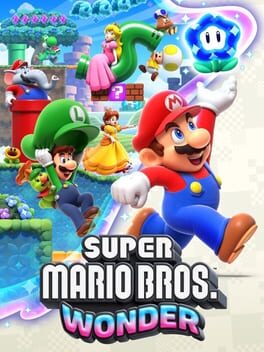
The decision to digitise the ‘My Mario’ range is likely to generate a measurable uplift in ancillary revenue, a sector that has historically accounted for a double‑digit percentage of Nintendo’s total earnings. By removing geographic barriers, Nintendo can now capture demand from markets that previously relied on import channels, thereby increasing overall sell‑through rates and reducing the prevalence of inflated resale prices that can erode brand goodwill. Moreover, the online presence creates synergistic marketing opportunities; each purchase can be cross‑promoted with upcoming game releases, such as the anticipated “Super Mario Bros. Wonder” launch, reinforcing a feedback loop that drives both software and hardware sales.
From a competitive standpoint, the move pits Nintendo directly against the aggressive merchandising machines of franchises like “Fortnite” and “Pokémon,” which have long dominated the children’s toy sector through omnipresent retail partnerships. However, Nintendo’s distinct advantage lies in its tightly controlled IP ecosystem, allowing it to maintain consistent quality and thematic coherence across all product categories. Potential challenges remain, notably the global supply‑chain constraints that have plagued the toy industry since 2020, as well as growing consumer scrutiny regarding sustainability. Nintendo’s recent pledges to incorporate recycled plastics into its packaging could mitigate some of these concerns, but the company will need to translate those commitments into tangible product improvements to stay ahead of the curve.
XPLog Opinion
From XPLog’s perspective, Nintendo’s online expansion of the ‘My Mario’ line is a shrewd maneuver that underscores the publisher’s mastery of brand stewardship. While some critics may argue that an overabundance of merchandise risks diluting the mystique of the Mario franchise, the reality is that well‑executed, family‑centric products deepen emotional attachment and nurture the next generation of fans—a demographic that will inevitably become the core audience for future console cycles. The key for Nintendo will be to balance accessibility with exclusivity, ensuring that the line remains desirable without succumbing to the pitfalls of over‑commercialisation.
Final Thoughts
In sum, the migration of the ‘My Mario’ collection to Nintendo’s online storefront marks a pivotal moment in the company’s merchandising evolution, one that dovetails with broader industry trends toward digital retail and family‑focused branding. As the holiday season approaches, the timing could not be more advantageous, and gamers worldwide should keep an eye on Nintendo’s upcoming announcements—particularly any tie‑ins with new game releases or limited‑time online events—that will further amplify the reach of this charming, child‑centric line.