
Overview
The gaming community has been buzzing since the early days of 2022 when Skydance New Media first unveiled Marvel 1943: Rise of Hydra, a daring blend of World War II history and Marvel’s mythos. Anchored by the storytelling pedigree of Amy Hennig—renowned for her narrative craftsmanship on the Uncharted series—the project promised a cinematic, choice‑driven experience that would pit iconic heroes like Captain America and a youthful Black Panther against the shadowy menace of Hydra. Its ambitious premise arrived at a moment when the industry is increasingly courting mature, story‑first titles, positioning the game as a potential flagship for the nascent Skydance Games studio and a litmus test for Marvel’s expansion beyond the blockbuster film format.
Fast‑forward to late 2026, and the title has become something of a holy grail for fans, despite only a handful of teaser reels and a series of postponed launch windows. The scarcity of concrete updates has fostered an environment ripe for speculation, especially as corporate turbulence sweeps through its parent companies. The recent merger of Warner Bros. Discovery with Paramount Skydance has introduced layers of strategic uncertainty, prompting observers to wonder whether the game’s ambitious scope can survive the inevitable budgetary and pipeline realignments that often accompany such mega‑deals.
What Happened?
On November 11, 2026, a fan‑run X account posted a now‑deleted claim that Skydance was preparing to announce the cancellation of Marvel 1943. The post, framed as insider information, quickly gained traction across Twitter and Reddit, feeding a narrative of doom that seemed plausible given the project’s protracted delays. Within hours, the rumor was amplified by gaming news aggregators and sparked a wave of disappointment among the game’s growing legion of followers, many of whom had been waiting for substantive gameplay footage beyond the initial cinematic teasers.
However, the rumor was promptly countered by a series of statements from reputable sources. Jason Schreier, reporting on Bluesky, cited a Slack message from Skydance Games leadership that categorically denied the cancellation, reassuring the development team that the project remained on the books. Kotaku’s Rebekah Valentine added further weight by referencing an executive producer, Lu Giglotti, who communicated via the same internal channel that the title was still active, albeit acknowledging the “uncertainty” introduced by the Warner‑Paramount merger. While the denials quash the immediate panic, they also underscore a fragile confidence: the game is alive, but its future hinges on the evolving corporate landscape.
Analysis
The episode highlights a broader industry pattern where high‑profile, narrative‑driven IPs become collateral in corporate consolidations. Skydance’s ambition to carve a niche in AAA storytelling is now tangled with Warner Bros. Discovery’s strategic pivot toward streaming‑first content and Paramount’s emphasis on franchise integration. If the merged entity prioritizes quick‑turn, revenue‑generating projects, a multi‑year, story‑heavy title like Marvel 1943 could face resource reallocation, extended development cycles, or even a strategic pivot toward a live‑service model. Conversely, the game’s alignment with the Marvel brand—a cornerstone of Disney’s multibillion‑dollar ecosystem—offers a potent bargaining chip that could safeguard its budget, especially if the merged studio seeks to leverage cross‑platform synergies between film, TV, and interactive media.
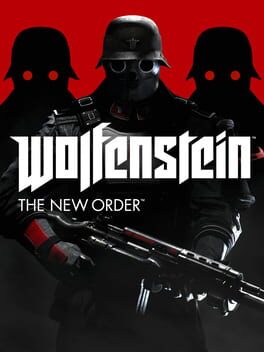
From a market perspective, the sustained interest despite limited footage signals a robust appetite for mature superhero narratives that break away from the fast‑paced, combat‑centric formulas dominating current releases. Should Marvel 1943 eventually launch, it could set a precedent for future collaborations that blend historical settings with comic‑book lore, opening a new sub‑genre that rivals titles like Wolfenstein: The New Order in thematic ambition. Yet the technical challenges—rendering large‑scale WWII battlefields while maintaining the tight, character‑driven focus that Hennig’s team is known for—remain formidable. Success will depend not only on narrative execution but also on the studio’s ability to deliver a seamless, performance‑optimized experience across next‑gen consoles and PC.
XPLog Opinion
At XPLog UK, we view the latest reassurance as a tentative green light rather than a full‑throttle endorsement. The fact that Skydance felt compelled to address the rumor publicly indicates a heightened sensitivity to community sentiment, which is a positive sign of stakeholder engagement. However, the underlying corporate volatility cannot be ignored; the merger’s integration timeline will likely dictate whether Marvel 1943 can secure the talent, funding, and creative latitude it requires. Our bet is that the title will survive, but it may emerge later than originally promised, potentially with a revised scope that balances Hennig’s narrative ambitions against the commercial imperatives of a newly merged media behemoth.
Final Thoughts
In sum, Marvel 1943: Rise of Hydra remains an emblem of both hope and hazard in today’s consolidation‑driven gaming climate. While the immediate cancellation chatter has been debunked, the project’s trajectory will be shaped by the strategic decisions of Warner Bros. Discovery and Paramount Skydance over the coming months. Players and investors alike should keep an eye on official communications slated for the Q1 2027 earnings calls and any forthcoming developer diaries, which will likely provide the clearest indication of whether this ambitious Marvel‑WWII hybrid will finally break free from the rumor mill and into the hands of gamers.