.png)
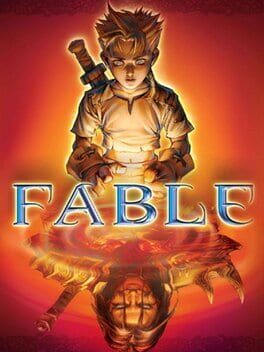
Playground Games' Fable represents a rare moment of optimism for Xbox's first-party slate. Following a showcase that underlined the studio's ambitious take on Albion, the game appears to combine open-world breadth, narrative charm and graphical fidelity in a package that could finally lift Microsoft into contention for end-of-year honours such as The Game Awards' top prize.
Visually, Fable benefits from the pedigree of ForzaTech, an engine proven to deliver striking fidelity and world detail. The gameplay footage released so far leans into the franchise's trademark humour and morality systems while promising the kind of player-driven moments that critics and communities often reward. Comparisons to genre-defining releases such as The Witcher 3 and recent large-scale fantasy hits are easy to make: an expansive map, varied quest design and an emphasis on memorable characters all sit within reach.
Those qualities address several of the criticisms that have dogged Xbox at award season in previous years. The platform's first-party output has frequently been technically excellent yet perceived as lacking the cultural momentum or singular narrative moments that sway GOTY voters. Fable's established IP, combined with Playground's reputation and the clear ambition on display, supplies both familiarity and aspiration — a rare combination that can attract mainstream attention beyond core audiences.
Despite those strengths, one dominant concern persists. The single biggest obstacle to Fable's potential GOTY run is timing. The 2026 release calendar is dense with high-profile launches, and the awards window tends to favour titles that capture sustained public conversation in the months leading up to December. A release flanked by other major blockbusters risks diluting media focus and player discourse, making it harder for Fable to build the critical mass necessary for awards campaigns.
Timing presents a twofold risk. First, a launch that coincides with several other tentpole releases may lead to comparisons that work against Fable, particularly if other titles deliver headline-grabbing innovations or controversies. Second, even a strong launch can lose momentum if seasonal noise crowds the narrative, reducing the visibility that late-year awards panels and voters respond to most strongly.
Beyond calendar clashes, the same timing issue carries operational implications. Delays remain a realistic possibility for any large-scale open-world project. A postponed release can push a title further into a congested season or, alternatively, relieve it of competition. Both outcomes carry uncertainty: a delay may allow more polish and a stronger post-launch trajectory, but it can also dissipate pre-release excitement and complicate marketing rhythms across a financial year.
Mitigating the timing problem will require precise coordination from Microsoft and Playground. A strategic release window, sustained marketing that keeps Fable in the public eye, and a launch that shores up technical performance and player engagement will all be essential. Post-launch support, seasonal content and community-driven moments can extend the game's life in public discourse, enhancing award prospects even if the initial launch shares headlines with other blockbusters.
Ultimately, Fable possesses many of the ingredients associated with past Game of the Year winners: an evocative world, meaningful player choice and clear artistic identity. Those elements are now matched by technical pedigree and developer credibility. The remaining variable is calendar control and the ability to ensure the game is the dominant conversation piece at the right moment. If Playground and Microsoft navigate timing successfully, Fable could be Xbox's best shot yet at a major GOTY prize. If not, an excellent game risks being overshadowed by an especially crowded year.