
Overview
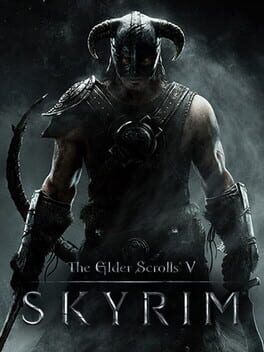
When Bethesda released The Elder Scrolls V: Skyrim in November 2011, it did more than simply add another open‑world RPG to the market; it redefined the expectations for post‑launch support, modding culture, and cross‑generation longevity. The game’s procedural geography, deep lore, and emergent gameplay loops created a sandbox that has been continuously expanded through DLCs, remasters, and a torrent of community‑crafted content, keeping it relevant through three console generations and a wave of hardware revolutions. Its arrival on the Nintendo Switch in 2017 marked a strategic pivot for Bethesda, proving that even a title originally built for high‑end PCs could be distilled into a portable experience without sacrificing the core sense of adventure that defined the original.
Fast‑forward to 2026, and the industry landscape is saturated with subscription services, seasonal sales, and a relentless push for new‑generation exclusives. Nintendo’s Switch, now in its sixth year, remains a lucrative platform for legacy titles, especially as the console’s install base continues to expand in emerging markets. A 60 % discount on Skyrim’s eShop listing is therefore not merely a price cut; it is a calculated maneuver to inject fresh revenue into an aging catalog, to re‑engage a player base that has largely migrated to newer Bethesda releases such as Starfield, and to position the Switch as a hub for premium, timeless experiences amidst a sea of indie and first‑party offerings.
What Happened?
Earlier this week Bethesda announced a limited‑time promotion on the Nintendo eShop, slashing the price of Skyrim for Switch by a staggering 60 %. The sale, which runs from 12 November to 30 November, drops the full‑price tag of $39.99 to just $15.99, making the game one of the most affordable entries in the Elder Scrolls franchise on any platform. The promotion is being marketed as part of the “15‑Year Anniversary” celebration, complete with a refreshed banner on the storefront and a curated bundle that includes the two major DLC expansions, Dawnguard and Dragonborn, at no extra cost.
In a brief statement, Bethesda’s senior publishing director highlighted the “ever‑lasting demand” for Skyrim, noting that the title continues to generate meaningful engagement metrics across all platforms, especially within the Switch community where the game’s portable nature aligns perfectly with the console’s on‑the‑go ethos. The company also hinted that the discount could serve as a funnel for cross‑selling upcoming Bethesda titles, leveraging the nostalgia factor to steer players toward newer IPs and the forthcoming Bethesda Softworks “Creation Club” expansions slated for release later this year.
Analysis
The timing of the discount dovetails with a broader industry trend where publishers resurrect legacy gems to bolster quarterly earnings while they await the commercial rollout of next‑gen projects. For Bethesda, the move mitigates the risk associated with Starfield’s mixed reception and the delayed launch of the highly anticipated The Elder Scrolls VI, both of which have left a revenue gap that a high‑visibility, low‑cost title like Skyrim can comfortably fill. Moreover, the Switch’s unique hybrid architecture presents a technical challenge that Bethesda has already overcome; the successful port demonstrated the studio’s capability to optimise a sprawling, CPU‑intensive world for a modest ARM‑based chipset, a feat that could inform future cross‑platform strategies for the studio’s upcoming releases. Competitors such as CD Projekt and Square Enix have recently leveraged similar anniversary sales for titles like Cyberpunk 2077 and Final Fantasy VII Remake, suggesting a competitive arms race in “legacy activation” tactics that could reshape discounting norms across the console ecosystem.
XPLog Opinion
From XPLog’s perspective, the 60 % markdown is a masterstroke of evergreen monetisation: it respects the player’s desire for value while subtly nudging a generation of gamers—many of whom first encountered Skyrim on a PS3 or Xbox 360—to revisit the world on a platform that encourages daily, bite‑sized sessions. This not only revitalises Bethesda’s brand equity within the Nintendo sphere but also sets a precedent for how legacy franchises can be repackaged without resorting to superficial micro‑transactions or aggressive DLC pricing, preserving the integrity of the original experience that fans cherish.
Final Thoughts
As the discount window closes at the end of November, the real story will be measured in post‑sale engagement metrics and the ripple effects on Bethesda’s broader pipeline. If the promotion drives a noticeable uptick in Switch hardware sales or spurs a surge in community‑generated content, it could validate the studio’s strategy of leaning on its most venerable IPs while it navigates the uncertain waters of next‑generation development. Players and analysts alike should keep an eye on Bethesda’s quarterly reports in early 2027, as well as any follow‑up announcements regarding additional anniversary bundles or potential Switch‑exclusive content that could further cement Skyrim’s status as a timeless cornerstone of modern gaming.