
Overview
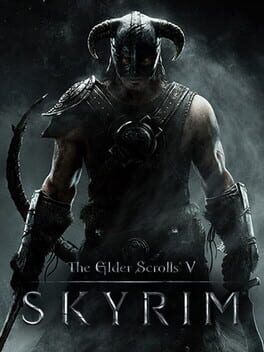
November 11th, 2026 is more than a calendar entry for the gaming world – it is the fifteenth anniversary of Bethesda's landmark open‑world RPG, The Elder Scrolls V: Skyrim. Since its launch on the Xbox 360 and PS3, Skyrim has been re‑released on every conceivable platform, from the Nintendo Switch to the latest generation of consoles and even cloud streaming services. Its enduring sales figures, persistent presence on bestseller charts, and the sheer volume of community‑generated content have turned the title into a cultural touchstone that defines the modern definition of a “living game”. The anniversary therefore provides a natural moment for reflection on how a single 2011 release has reshaped development pipelines, publishing strategies, and player expectations across the industry.
Integral to Skyrim’s longevity has been the vibrant modding ecosystem that blossomed around the Creation Kit and later the open‑source tools that empowered creators to rewrite, extend, and sometimes completely overhaul the game’s core systems. Projects such as SkyUI, RealVision ENB, and the massive total conversion Beyond Skyrim: Bruma have demonstrated that fan‑driven content can rival, and occasionally surpass, official DLC in scope and ambition. Bruma, in particular, has become a case study in how dedicated teams can craft a fully realized, lore‑consistent expansion that adds a new province, dozens of quests, and a host of gameplay refinements, all while staying true to Bethesda’s design philosophy.
What Happened?
The Bruma team announced a substantial 2.0 update today, timed to coincide with the anniversary celebrations. The patch introduces a brand‑new main questline that sees players journeying deep into the heart of Cyrodiil’s winter‑bound frontier, unlocking a narrative that weaves together political intrigue, ancient dragon worship, and the lingering fallout from the Oblivion Crisis. Alongside the quest, three fully realized dungeons have been added, each featuring handcrafted puzzles, unique enemy encounters, and environmental storytelling that pushes the limits of the Skyrim engine’s lighting and weather systems. Most notably, the update expands the worldspace to include previously inaccessible regions of Cyrodiil, effectively stitching a seamless bridge between the province of Skyrim and the Imperial capital’s hinterland.
According to the developers, the impetus for the 2.0 overhaul was “technical necessity” – a euphemism for the need to bring the mod up to parity with the Skyrim Anniversary Edition’s updated engine, as well as to ensure compatibility with the latest Bethesda Creation Kit v1.6 and the community‑favoured SKSE64 runtime. The team spent the past twelve months refactoring legacy scripts, optimizing texture pipelines, and implementing a new modular asset system that reduces load‑times and mitigates the infamous “crash‑on‑load” issues that have plagued large‑scale mods for years. A closed beta involving over 3,000 veteran modders was run in June, and the feedback loop has been credited with polishing the new content to a level that rivals official Bethesda releases.
Analysis
From a market perspective, the Bruma 2.0 update underscores the growing commercial relevance of community‑generated expansions. While Bethesda has historically embraced modding as a goodwill gesture, the financial impact of a mod that consistently draws new players to the platform is increasingly evident. The addition of a fresh questline and expanded worldspace not only revitalises sales of the base game on platforms that still host it (notably the Xbox Series X|S and PlayStation 5 digital storefronts) but also fuels ancillary revenue streams such as DLC bundles, merchandise, and even potential licensing deals for future “official” collaborations. In an era where subscription services and live‑ops models dominate, a high‑quality, free fan expansion provides a rare example of organic, community‑driven player retention.
Technically, the update illustrates the limits and possibilities of extending a decade‑old engine. By re‑architecting core scripts and adopting modern asset pipelines, the Bruma team has demonstrated that the Creation Engine can still support large‑scale world additions without sacrificing performance. This achievement may embolden other mod teams to pursue similarly ambitious projects, potentially leading to a renaissance of fan‑made expansions that push Bethesda’s own development roadmap. Moreover, the successful navigation of cross‑platform compatibility – from PC to the Xbox Series X|S and even the PlayStation 5’s new “Mod Hub” – hints at a future where console manufacturers might provide more robust official support for third‑party content, a shift that could reshape the economics of post‑launch support across the industry.
XPLog Opinion
At XPLog UK we view Bruma 2.0 as a watershed moment that forces Bethesda and its publishing partners to reckon with the fact that the line between “official” and “fan‑made” content is blurring. When a community project can deliver a narrative experience on par with a studio‑produced DLC, complete with polished voice acting, bespoke music, and a seamless world integration, the argument for a more collaborative development model becomes hard to ignore. We anticipate that Bethesda will begin to explore formal pathways for supporting and possibly monetising high‑impact mods, a move that could unlock new revenue while preserving the creative freedom that has made the Elder Scrolls community so vibrant.
Final Thoughts
Beyond Skyrim: Bruma 2.0 not only celebrates fifteen years of Skyrim’s cultural dominance but also signals a maturation of the modding ecosystem into a credible extension of the commercial gaming pipeline. As players dive into the newly opened corners of Cyrodiil, the industry will be watching to see whether Bethesda leverages this momentum to forge deeper partnerships with its most passionate creators. Keep an eye on Bethesda’s upcoming “Elder Scrolls Community Summit” slated for early 2027 – it may well be the forum where the next chapter of this symbiotic relationship is officially scripted.