
Overview
Since Sony’s strategic acquisition of Haven Studios in 2022, the PlayStation ecosystem has been quietly nurturing an ambitious live‑service shooter codenamed Fairgames. The project, born under the visionary leadership of industry veteran Jade Raymond, was positioned as a marquee entry intended to diversify Sony’s portfolio beyond narrative‑driven exclusives and into the highly competitive player‑versus‑player (PvP) arena. Raymond’s reputation for spawning blockbuster franchises—most notably the Assassin’s Creed series—lent the initiative a veneer of credibility that resonated with both investors and the core gaming community, which has long craved a PlayStation‑centric shooter capable of standing toe‑to‑toe with the likes of Call of Duty and Battlefield.
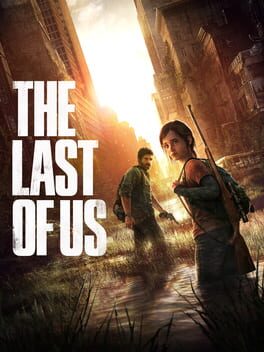
However, the broader market context has shifted dramatically over the past two years. The live‑service model, once hailed as the next frontier for console manufacturers, has entered a period of retrenchment. Sony’s own pipeline has seen a cascade of high‑profile cancellations: Naughty Dog’s multiplayer extension for The Last of Us, the ambitious Horizon spin‑off Hunters Gathering, and even Bungie’s decision to wind down active development on Destiny 2. These moves reflect a growing skepticism about the sustainability of live‑service titles in a landscape where player retention is increasingly volatile, subscription fatigue is setting in, and the cost of continuous content delivery is soaring.
What Happened?
The latest development emerged from a Bloomberg report citing internal communications from PlayStation executives Sean Decker and John Doyle. After a closed beta that attracted “thousands of players,” the feedback loop painted a mixed picture: while the technical infrastructure and live‑ops readiness were praised, player retention metrics fell short of the ambitious benchmarks set by Sony’s leadership. In an email dispatched to Haven staff, the executives acknowledged that despite operational excellence, the core engagement numbers did not justify further investment, prompting the decision to halt Fairgames’ development.
Crucially, Sony has opted to preserve the studio’s workforce, a move that diverges from the typical layoff cycles accompanying project cancellations. Instead of downsizing, Haven will be repurposed to bolster other first‑party initiatives within the PlayStation umbrella. This strategic redeployment suggests that Sony still values the talent pool cultivated at Haven, but it also underscores a shift in priority away from building new live‑service IPs toward reinforcing existing franchises and perhaps exploring more sustainable, narrative‑driven experiences.
Analysis
The cancellation of Fairgames can be read as a bellwether for the health of the console‑centric PvP shooter market. Historically, Sony has struggled to capture a dominant share of this segment, with earlier attempts such as Killzone and the more recent PlayStation VR‑focused shooters failing to achieve the critical mass required for long‑term profitability. In contrast, Microsoft’s Xbox division has doubled down on its live‑service strategy, leveraging titles like Halo Infinite and the acquisition of Activision Blizzard to secure a steady stream of multiplayer revenue. Sony’s retreat therefore reflects a pragmatic reassessment: rather than chase a market where the margins are eroding, the company appears to be reallocating capital toward areas where it holds a clearer competitive advantage.
From a development perspective, the decision also highlights the escalating technical and design challenges inherent in sustaining a live‑service shooter. Modern titles demand not only a robust backend capable of handling millions of concurrent users, but also a relentless cadence of new content, balance patches, and community management—a resource‑intensive equation that can strain even well‑funded studios. By halting Fairgames, Sony avoids the risk of pouring further funds into a product that may never achieve the network effects necessary to justify its existence, thereby preserving financial flexibility for upcoming first‑party releases that align more closely with its brand identity.
XPLog Opinion
At XPLog, we view the Fairgames shutdown as a decisive, if painful, acknowledgment that the live‑service dream is not a one‑size‑fits‑all solution for console manufacturers. Sony’s core strength has always been its ability to craft immersive, story‑driven experiences that leverage the hardware’s capabilities; abandoning a shooter that struggled to find its footing may ultimately free up creative bandwidth to double‑down on those strengths. While the cancellation will disappoint a niche cohort of shooter enthusiasts, it signals a healthier, more focused roadmap for PlayStation’s future—one that prioritizes quality over quantity and aligns with the expectations of its most loyal audience.
Final Thoughts
Fairgames’ demise serves as a stark reminder that even the most promising projects can falter when market realities outpace ambition. As Sony reorients its development resources toward reinforcing its flagship franchises and exploring new genres, the industry will be watching closely for the next wave of announcements slated for early 2027, when the company traditionally unveils its major roadmap. Players and analysts alike should keep an eye on how the repurposed Haven talent influences upcoming titles, and whether Sony’s strategic pivot will restore its dominance in the ever‑evolving console wars.