
Overview
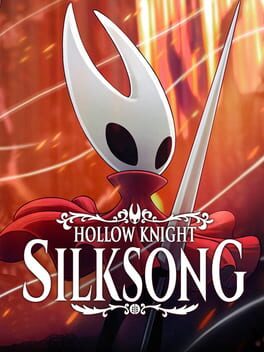
Team Cherry’s upcoming physical release of Hollow Knight: Silksong on the PlayStation 5 has become more than a collector’s item; it is now a cryptic roadmap for the studio’s post‑launch strategy. Nestled within a seemingly innocuous page of the manual, a schematic of a sealed vault and a series of numbered “content packs” hint at a layered rollout that could keep the title in the spotlight for years rather than the typical few months of post‑release support seen in the indie sector. This move arrives at a moment when the industry is witnessing a resurgence of physical media as a premium experience, and developers are experimenting with modular content to extend shelf‑life while respecting the tight budgets that define indie production.
Historically, the original Hollow Knight set a benchmark for how a meticulously crafted Metroidvania could dominate both critical discourse and commercial performance, selling over 3 million copies without the backing of a major publisher. Its success demonstrated that deep, hand‑drawn worlds paired with a robust upgrade system could thrive in a market dominated by live‑service titles. Team Cherry’s decision to seed Silksong with multiple expansions, beginning with the confirmed “Sea of Sorrow,” signals an evolution of that formula: a deliberate, episodic content cadence designed to retain player engagement while capitalizing on the growing appetite for narrative‑driven DLC among core gamers.
What Happened?
During the unveiling of the PS5 physical edition, a close‑up of the included booklet revealed a stylized map labelled “Future Content” alongside three distinct icons representing forthcoming expansions. While the studio has officially acknowledged “Sea of Sorrow” as the first post‑launch add‑on, the visual cue suggests at least two additional packs are already in the pipeline, each promising new biomes, boss encounters, and possibly fresh mechanics that build upon Silksong’s already intricate combat system. Team Cherry’s lead designer, Ari Gibson, hinted in a recent interview that the expansions are being crafted in parallel with the base game’s polish, ensuring a seamless narrative thread that will encourage players to revisit the world multiple times over the next 12‑24 months.
Beyond the cryptic manual, the announcement was reinforced by a short developer diary posted on the studio’s official channels, emphasizing a “story‑first” approach to DLC. Rather than treating expansions as mere content sprinklings, Cherry intends each pack to act as a self‑contained chapter, expanding the lore of the Kingdom of Hallownest’s sister realm while introducing optional difficulty tiers aimed at the “hardcore completionist” demographic. The timing of this reveal—just weeks before the game’s global launch—also serves as a strategic marketing lever, priming the community to anticipate a steady drip of fresh experiences that will sustain discourse on forums, Twitch streams, and esports‑adjacent speedrunning events.
Analysis
The decision to embed expansion hints within a physical manual is a savvy blend of nostalgia and modern monetisation. Physical editions have historically acted as a premium revenue stream for indie studios, but they rarely carry substantive post‑launch promises. By tying the future of Silksong to a tangible artifact, Team Cherry creates a sense of ownership and anticipation that digital‑only announcements often lack. This approach could set a precedent for other indie developers seeking to leverage collector’s editions as both a financial buffer and a narrative teaser, especially as console manufacturers like Sony and Microsoft increasingly support “deluxe” physical releases with exclusive in‑game content.
From a market perspective, the multi‑expansion roadmap positions Silksong to compete directly with larger studios that have mastered the DLC cycle, such as FromSoftware’s post‑launch expansions for Elden Ring and Dark Souls. While the budgets differ dramatically, the underlying principle—keep the player base engaged through meaningful, story‑rich add‑ons—remains the same. Moreover, the staggered release schedule could mitigate the risk of post‑launch fatigue that has plagued other indie titles, ensuring that each expansion arrives with sufficient polish and community hype. If executed well, Silksong’s expansion model may demonstrate that indie studios can sustain long‑term revenue streams without resorting to aggressive microtransactions, thereby reshaping expectations around how premium indie experiences are monetised.
XPLog Opinion
At XPLog UK, we view Team Cherry’s expansion strategy as a bold declaration that the Metroidvania renaissance is far from a fleeting trend; it is evolving into a sustainable ecosystem where narrative depth and post‑launch support co‑exist. By anchoring their DLC roadmap in a physical artifact, Cherry not only rewards early adopters but also signals confidence in their creative pipeline—a confidence that could inspire a wave of similar tactics across the indie landscape, ultimately enriching the genre for players who crave both challenge and story continuity.
Final Thoughts
In the months ahead, the industry will be watching how Silksong’s promised expansions materialise, with “Sea of Sorrow” slated for a Q2 2025 release and subsequent packs hinted for later that year. Whether these additions will cement Silksong as a benchmark for indie longevity or become a footnote in the ever‑shifting DLC arena remains to be seen, but the very act of embedding future content within a physical manual suggests that Team Cherry is ready to write the next chapter of indie publishing—one that balances artistic ambition with savvy market foresight.