
Overview
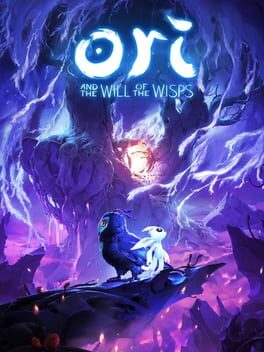
More than a year after Hollow Knight: Silksong first dazzled digital storefronts, the long‑awaited physical editions have finally begun to ship, turning a digital‑first launch into a full‑scale retail event. The arrival of boxed copies arrives at a moment when the indie Metroidvania genre has cemented itself as a cornerstone of the modern gaming ecosystem, with titles like Bloodstained, Ori and the Will of the Wisps, and Metroid Dread all proving that high‑quality, exploration‑driven experiences can thrive on both consoles and PC. Team Cherry’s decision to embrace a tangible format signals confidence not only in the durability of the title’s sales curve but also in the collector culture that has grown around premium indie releases, a trend that has been amplified by the resurgence of limited‑run physical media and the rise of specialty retailers.
The packaging itself carries a subtle yet potent promise: a booklet tucked inside hints at a series of forthcoming "free content packs" in addition to the announced Sea of Sorrow expansion. While the wording is deliberately vague, the implication is clear—Team Cherry intends to adopt a post‑launch content model that mirrors the live‑service cadence of larger studios, yet without the monetisation pitfalls that have plagued many franchises. This hybrid approach, blending the timeless allure of a physical collector’s item with a roadmap of ongoing, cost‑free updates, could reshape expectations for how indie developers sustain player engagement beyond the initial release window.
What Happened?
The physical launch includes standard editions for PlayStation, Xbox, Nintendo Switch, and PC, each featuring a high‑gloss slipcase, a detailed art booklet, and a set of enamel pins that celebrate the game's intricate lore. Most notably, the booklet contains a developer note that references multiple "free content packs" slated for release over the next twelve months, alongside the already confirmed Sea of Sorrow DLC, which Team Cherry has described as a "giant expansion" that will add a new region, additional bosses, and a wealth of narrative threads that deepen the game's mythos.
Team Cherry’s lead designer, Ari Gibson, clarified in a recent livestream that the free content packs will focus on quality‑of‑life enhancements, new character skins, and optional side‑quests that expand the world without fragmenting the core experience. The strategy is to keep the game fresh for the existing player base while attracting newcomers who may be enticed by the promise of continual, no‑cost additions. By positioning Sea of Sorrow as a substantial, paid expansion and framing the smaller packs as complimentary, the studio hopes to strike a balance between revenue generation and community goodwill.
Analysis
From a market perspective, the move positions Silksong as a case study in sustainable indie post‑launch support. Historically, indie studios have struggled to maintain momentum after the first wave of sales, often resorting to either a single paid DLC or abandoning the title altogether. Team Cherry’s bifurcated model—charging for a major expansion while delivering ancillary content for free—mirrors the tiered approach seen in larger franchises such as The Witcher 3 or Horizon Zero Dawn, but on a scale that respects the expectations of a core Metroidvania audience that values artistic integrity over perpetual monetisation.
Technically, the promise of free content packs also suggests that the underlying engine, a heavily customised Unity framework, was built with modularity in mind from the outset. This foresight reduces the risk of integration issues that have plagued other post‑launch updates, such as the infamous “save‑file corruption” problems that plagued some open‑world titles after major patches. Moreover, the announced Sea of Sorrow expansion will likely push the limits of the game’s procedural generation and hand‑crafted level design, testing the studio’s ability to scale its meticulous design philosophy without sacrificing performance across the diverse hardware landscape of modern consoles.
XPLog Opinion
In XPLog’s view, Team Cherry is charting a bold new course that could redefine how indie studios think about longevity. By coupling a high‑profile physical launch with a clear, community‑centric roadmap, they are not only rewarding their most dedicated fans but also setting a benchmark for transparency and post‑launch stewardship. If executed well, this strategy will cement Silksong’s reputation as a living, breathing world that evolves on its own terms, proving that indie developers can compete with AAA studios in delivering ongoing value without resorting to aggressive micro‑transactions.
Final Thoughts
Silksong’s physical debut, paired with the promise of free content and a substantial expansion, marks a pivotal moment for both Team Cherry and the broader Metroidvania genre. As the industry watches how these updates unfold, the next key dates to monitor are the Sea of Sorrow launch window slated for early 2027 and the quarterly rollout of the free packs throughout that year. Success will not only reinforce Team Cherry’s standing as a premier indie studio but could also inspire a wave of similarly structured post‑launch plans across the indie landscape.