
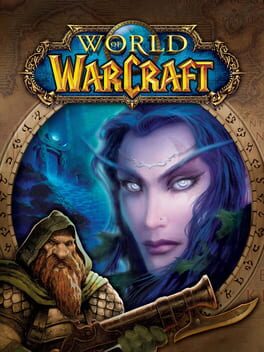
Overview
The release of World of Warcraft: Forever on PC on November 4th has ignited a firestorm of attention not merely because it revives a franchise that has defined the MMORPG genre for nearly two decades, but because it does so under the banner of Xbox’s first‑party publishing arm, a move that could reshape the console maker’s content roadmap for years to come. Historically, Microsoft’s first‑party slate has leaned heavily on shooters, sports titles, and sandbox adventures, leaving the massive, subscription‑driven world of MMOs largely untouched; the decision to partner with Blizzard’s venerable IP marks a strategic pivot aimed at diversifying the Xbox Game Pass ecosystem and capturing a demographic that traditionally gravitates toward PC‑only experiences.
From a market perspective, the timing is uncanny. The console landscape has been in flux since the launch of the Xbox Series X|S, with Sony consolidating its PlayStation 5 lead through exclusive narrative-driven blockbusters, while Nintendo continues to double‑down on family‑friendly innovation. Meanwhile, the broader gaming industry is witnessing a surge in “games as a service” models, and subscription platforms are battling for the most compelling content libraries. In this context, a record‑breaking WoW launch on PC not only validates the enduring appetite for large‑scale, live‑service games but also offers Microsoft a potent lever to attract those players to its own subscription service, potentially converting a historically PC‑centric audience into Xbox loyalists.
What Happened?
The headline that dominated industry feeds this week was simple yet profound: World of Warcraft: Forever has set the highest peak concurrent player count ever recorded for any WoW title, eclipsing the legendary launch figures of both the original game and its most recent expansions. According to data compiled by The Game Business, the title peaked at over 3.5 million simultaneous users within the first 48 hours, a milestone that outstrips even the most ambitious launch windows of contemporary AAA releases. This surge was driven by a combination of factors, including a nostalgic return for veteran players, an aggressive marketing push that leveraged Xbox branding across social channels, and the promise of a refreshed narrative arc that promises to bridge classic lore with modern gameplay innovations.
Beyond the raw numbers, the launch also revealed a meticulously orchestrated rollout strategy. Blizzard’s development team, working closely with Microsoft’s publishing division, synchronized server capacity expansions, regional rollout phases, and a tiered rewards system that incentivized early adoption across both existing subscribers and newcomers. Developer statements highlighted a focus on “seamless cross‑play readiness,” indicating that while the current launch is PC‑only, the infrastructure is being primed for a future console deployment that would integrate Xbox Live services, cloud saves, and Game Pass Ultimate benefits. This forward‑looking approach underscores Microsoft’s intent to make WoW: Forever a cornerstone of its broader ecosystem rather than a standalone PC phenomenon.
Analysis
The immediate market impact of this launch reverberates across several axes. First, the sheer scale of concurrent users provides Microsoft with a powerful data point to negotiate future licensing terms with Activision Blizzard, potentially granting deeper integration rights or revenue‑sharing models that could tilt the competitive balance in favor of Xbox. Second, the success challenges the long‑held notion that MMOs are a niche confined to PC, suggesting that with the right first‑party backing, such titles can thrive on console platforms, especially when paired with subscription incentives that lower the barrier to entry for casual players. Third, the technical achievement of handling multi‑million concurrent connections without major latency spikes sets a new benchmark for live‑service infrastructure, a capability that could be repurposed for other upcoming Microsoft first‑party live games.
Looking ahead, the launch serves as a litmus test for how Xbox might leverage its growing portfolio of live‑service titles to compete with Sony’s strong exclusive lineup and Nintendo’s family‑centric ecosystem. If Microsoft can translate this PC momentum into a console launch that retains a substantial portion of the player base, it could redefine the value proposition of Game Pass, positioning it not merely as a library of on‑demand titles but as a gateway to persistent, community‑driven worlds. Moreover, the success may encourage other traditionally PC‑only franchises to consider console pathways, potentially reshaping the development pipelines of studios that have historically shied away from console certification hurdles.
XPLog Opinion
From XPLog’s standpoint, World of Warcraft: Forever is more than a headline; it is a strategic inflection point that signals Microsoft’s ambition to own the “live‑service” narrative across both PC and console domains, a space that has been largely dominated by Blizzard and, more recently, by Epic’s Fortnite. By anchoring such a monumental launch to its first‑party banner, Microsoft not only secures a high‑visibility title for Game Pass but also forces the industry to reckon with the reality that subscription‑driven, massively multiplayer experiences are no longer peripheral—they are central to the next wave of console relevance.
Final Thoughts
In sum, the record‑shattering debut of World of Warcraft: Forever on PC foreshadows a potentially transformative console release that could reshape Xbox’s content strategy, broaden the appeal of Game Pass, and challenge entrenched perceptions about where the biggest MMOs belong. As we await an official console launch window—rumoured to arrive within the next twelve months—players, analysts, and competitors alike should keep a close eye on subscription uptake metrics, cross‑play performance data, and the evolving partnership dynamics between Microsoft and Blizzard, all of which will dictate whether this historic launch translates into a lasting shift in the console wars.