
Overview
When Hideo Kojima unveiled Death Stranding in 2019, the gaming world braced for what many expected to be a polarising, niche‑first experience that would either redefine narrative‑driven AAA or fade into obscurity. The title arrived on the PlayStation 4 at a time when Sony was consolidating its library around blockbuster franchises such as God of War and The Last of Us, while the broader market was witnessing a surge in live‑service titles that prioritized recurring revenue over single‑player depth. Kojima’s vision—an “asynchronous multiplayer” woven into a solitary trek across a post‑apocalyptic America—was a bold gamble, one that required players to buy into a slow‑burn pacing that contrasted sharply with the kinetic immediacy of contemporaries like Call of Duty: Modern Warfare.
Seven years on, the series has amassed a cumulative player base of roughly 28 million across its two installments, a figure that dwarfs the modest headline sales but tells a richer story about how modern gamers consume content. The first Death Stranding logged over five million units sold, while the sequel, Death Stranding 2, never had its exact numbers disclosed; analysts estimate an initial burst of 1.4 million copies in the opening days. Beyond pure sales, the titles have benefited from Sony’s aggressive subscription strategies—most notably the inclusion of both games on PlayStation Plus Extra and Premium tiers—allowing a broader audience to experience Kojima’s world without the upfront price barrier. This hybrid of traditional sales and subscription‑driven exposure has inflated the active player count far beyond what raw unit sales would suggest, positioning the franchise as a case study in how AAA experiences can thrive in a fragmented, service‑oriented marketplace.
What Happened?
The latest data released by Sony, corroborated by independent analytics firms, confirms that the two Death Stranding games together have been played by an estimated 28 million unique users worldwide. While the first title’s five‑million‑plus sales remain the only officially confirmed figure, the sequel’s early launch metrics—1.4 million units in the first 72 hours—combined with sustained digital download trends suggest that the overall player footprint has continued to expand. The numbers are bolstered by the games’ presence on PlayStation Plus, where they have consistently ranked among the most played titles each month they have been featured, indicating that subscription‑based accessibility is a key driver of long‑term engagement.
Beyond the raw counts, the series’ performance has been amplified by its multi‑platform rollout. Death Stranding made its PC debut in 2020, opening a new revenue stream and exposing the experience to a demographic that traditionally skews away from console‑only exclusives. Meanwhile, the sequel’s cross‑generation release on both PS5 and PS4 allowed Sony to capitalize on the lingering PS4 install base while rewarding early adopters with next‑gen enhancements such as ray‑traced lighting and haptic feedback via the DualSense controller. These strategic distribution choices, coupled with a robust post‑launch support schedule—ranging from free performance patches to thematic DLC—have ensured that the franchise remains a persistent fixture in player libraries, rather than a fleeting headline.
Analysis
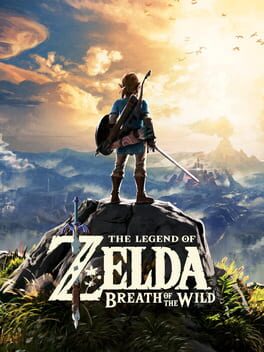
From a market perspective, Death Stranding’s trajectory underscores a shift in how success is measured for premium single‑player experiences. Traditional benchmarks—first‑week sales, lifetime units shipped—are increasingly supplemented by engagement metrics such as active user counts, streaming viewership, and subscription playtime. The 28 million figure places the series alongside genre‑defining juggernauts like The Legend of Zelda: Breath of the Wild in terms of reach, despite a comparatively modest sales envelope. This suggests that narrative‑heavy AAA titles can carve out a durable niche by leveraging ecosystem tools that lower entry friction, a lesson that rivals such as Ubisoft and Square Enix are already integrating through “season passes” and “live‑service” expansions for traditionally linear games.
Competitively, Sony’s willingness to back an unconventional project like Death Stranding signals a broader strategic intent to diversify its portfolio beyond the “triple‑A blockbuster” formula. While franchises like Horizon and Spider‑Man dominate sales charts, Kojima’s work provides a counterbalance that appeals to a segment of gamers craving artistic ambition and experimental gameplay loops. This diversification not only hedges Sony against market volatility—where a single franchise’s underperformance could jeopardize quarterly earnings—but also reinforces the PlayStation brand as a haven for auteur‑driven experiences, a positioning that could attract future talent seeking creative freedom.
XPLog Opinion
At XPLog we view the 28 million player milestone as a vindication of Sony’s hybrid distribution model and a clear indicator that the appetite for high‑concept, story‑first AAA remains robust, even in an era dominated by multiplayer live services. The data proves that when a game is given the right exposure—through subscription bundles, cross‑platform releases, and post‑launch polish—its cultural impact can outstrip raw sales figures, fostering a dedicated community that fuels long‑term brand equity. Sony should therefore double down on nurturing such auteur projects, pairing them with strategic platform incentives to ensure they reach both hardcore fans and the broader console audience.
Final Thoughts
As the franchise looks toward its next chapter—rumoured to be in full development for the PS5 and PC—players and analysts alike will be watching how Kojima Productions leverages the lessons of its first two outings. With the next wave of hardware capable of delivering unprecedented fidelity and immersion, the series is poised to deepen its experimental mechanics while capitalising on the expansive player base already cultivated. Keep an eye on Sony’s upcoming PlayStation State of Play events and the next fiscal earnings call, where the company is expected to disclose further subscription‑driven engagement figures that could reshape how the industry quantifies success for narrative‑driven AAA titles.