
Overview
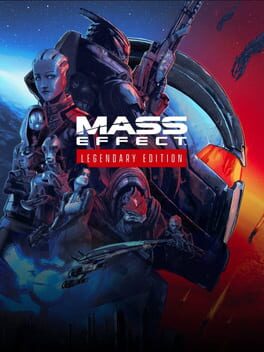
When Electronic Arts announced the abrupt closure of BioWare’s Vancouver studio in early 2024, the reverberations were felt across the entire mid‑core and core gaming ecosystem. The decision not only marked the end of a studio that had been responsible for genre‑defining titles such as the original Mass Effect trilogy, Dragon Age: Origins, and the critically lauded Anthem, but it also signalled a broader industry pivot toward live‑service models and franchise consolidation. For a franchise that had, since its 2007 debut, cultivated a dedicated fanbase through deep narrative choices, expansive lore, and a distinctive musical identity, the cancellation of the long‑rumoured Mass Effect 5 (tentatively titled “Universe”) represented a cultural as well as commercial loss. The timing was particularly poignant, arriving just weeks after the celebration of N7 Day—a community‑driven holiday that has become a barometer of fan engagement and a showcase for EA’s willingness to reward its most loyal players.
Within this climate of uncertainty, a single piece of media emerged that encapsulated both the nostalgia for the series and the bittersweet reality of its abrupt halt: an internal trailer for the unfinished sequel, paired with a newly‑recorded score by Sam Hulick, one of the original composers behind the iconic soundscapes of the first three games. Hulick’s contribution, released on his personal channels on N7 Day, offered an aural glimpse of what could have been, re‑imagining the visual teaser with orchestral swells, synth‑driven motifs, and the unmistakable emotional resonance that defined the franchise’s earlier chapters. The gesture resonated deeply with the community, serving as both a farewell and a reminder of the artistic ambition that the series had consistently pursued.
What Happened?
The leaked trailer, which surfaced on a private Discord server just days after EA’s press release, featured a polished cinematic sequence that hinted at a new narrative arc set several centuries after the events of Mass Effect 3. The footage, shot in the same cinematic style as the 2021 “Mass Effect Legendary Edition” remaster, showcased a sprawling starfield, a sleek new Normandy‑class vessel, and a cryptic symbol that many fans interpreted as a nod to the “Reapers’ legacy.” Accompanying the visuals was a placeholder score, a generic orchestral piece that, while competent, lacked the signature thematic threads fans associated with the series. The trailer’s internal codename “Universe” suggested an ambition to broaden the franchise’s scope beyond the Milky Way, potentially integrating cross‑media storytelling and live‑service expansions—a direction that aligns with EA’s recent strategic focus on recurring revenue streams.
In response, Sam Hulick posted a short video on his YouTube channel titled “Mass Effect 5 – A Farewell Score.” In the clip, he overlaid his own composition onto the leaked footage, weaving together familiar leitmotifs such as the “N7” theme and the “Citadel” motif, while introducing new harmonic layers that hinted at an evolution of the series’ musical language. Hulick explained in the video’s description that he had been approached by former BioWare colleagues before the studio’s shutdown and that his contribution was intended as a “personal goodbye” to the community. The composition itself is a masterclass in adaptive scoring: it begins with a solitary piano line that gradually expands into a full brass and string arrangement, mirroring the narrative journey from isolation to interstellar conflict. Though the track will never be officially released, its existence underscores the collaborative spirit that has long defined BioWare’s development process.
Analysis
The disappearance of Mass Effect 5 from EA’s pipeline is symptomatic of a larger market recalibration. Over the past five years, EA has increasingly prioritized titles that can generate sustained micro‑transaction revenue, such as Apex Legends and the FIFA series, often at the expense of narrative‑driven, single‑player experiences. By shuttering BioWare Vancouver, EA effectively removed a key source of original IP creation, consolidating its creative resources into studios that can deliver “games as a service.” This shift not only reduces the diversity of storytelling within EA’s portfolio but also risks alienating a segment of its consumer base that values deep, single‑player campaigns and the emotional weight that a series like Mass Effect provides.
From a competitive standpoint, the void left by Mass Effect 5 opens opportunities for other studios to capture the high‑budget sci‑fi RPG market. Companies such as Obsidian Entertainment, which successfully revived the Fallout franchise with Fallout 76’s post‑launch overhaul, and CD Projekt Red, despite its recent challenges, have both signaled intent to explore space‑faring narratives. Moreover, the presence of a high‑quality, fan‑crafted score by a respected composer like Hulick adds an unexpected layer of brand equity that could be leveraged by third‑party publishers seeking to attract the franchise’s loyal fanbase. The music itself, with its blend of orchestral grandeur and synth‑driven ambience, reflects a broader industry trend toward hybrid soundtracks that appeal to both traditional gamers and newer audiences accustomed to cinematic streaming experiences.
XPLog Opinion
At XPLog UK, we view the loss of Mass Effect 5 not merely as a missed product launch but as a cultural inflection point that highlights the perils of over‑centralising profit‑driven development models. While EA’s financial metrics may improve in the short term, the erosion of a flagship narrative franchise erodes brand goodwill and diminishes the company’s ability to innovate within the story‑centric segment of the market. Sam Hulick’s farewell score stands as a poignant reminder that the soul of a franchise resides in its creators, and that without institutional support for such talent, even the most beloved universes can fade into obscurity. We urge EA to reconsider its approach, perhaps by establishing a dedicated “story‑driven” label that can operate alongside its service‑oriented divisions, preserving the creative pipelines that have historically set the industry standard.
Final Thoughts
As the dust settles on the announcement of BioWare’s closure and the subsequent disappearance of Mass Effect 5, the industry will be watching closely to see how EA reallocates its resources and whether it can restore confidence among narrative‑driven gamers. The leaked trailer and Hulick’s emotive score will likely become a touchstone for discussions about corporate responsibility to artistic vision, serving as both a cautionary tale and a rallying cry for developers and players alike. Keep an eye on EA’s upcoming earnings call in February 2025 for any hints of a revived narrative strategy, and watch for community‑driven initiatives that may seek to preserve the Mass Effect legacy through fan‑made content and potential indie collaborations.