.png)
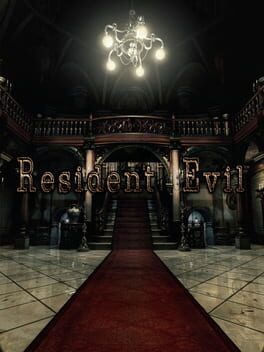
After a three‑hour session with a more‑or‑less final build, Resident Evil: Requiem emerges as a deliberately uneven, deliberately thrilling gamble. The game reads as a conscious mash‑up of series traditions: bone‑deep survival horror and blockbuster spectacle sit cheek by jowl, and the design repeatedly swings between the two.
That oscillation is the defining trait. Moments of high octane relief — large, often cinematic encounters and bigger‑scope set pieces — are routinely followed by narrower, claustrophobic stretches that prioritise atmosphere, dread and resource management. The contrast is sharp enough to be a feature rather than a flaw; the developers appear intent on engineering emotional whiplash, trading constant tension for peaks of release.
The hands‑on makes clear that Requiem wastes little time establishing its cadence. Early segments already showcase the intended rhythm: short bursts of breathtaking action punctuated by slower exploration and tighter, more intimate horror beats. That pacing gives each spike of intensity room to land and the quieter passages time to coil, which lends the experience a cinematic momentum absent from flatter, steadier horror titles.
‘‘Formula mash‑up’’ is an accurate shorthand. Combat encounters vary between resource‑sparse scrambles and more choreographed sequences that feel designed for spectacle. Exploration and puzzle design nod to the franchise’s roots, while presentation and production values lean into modern blockbuster sensibilities. The result is an uneasy but compelling middle ground that will satisfy players drawn to either pole of the series’ history.
Not every swing lands with equal force. The risk inherent in this approach is volatility: exhilarating highs can sometimes undercut the build‑up of dread that makes the horror moments effective, and vice versa. In the build tested, though, the transitions mostly read as intentional design choices rather than compromise, and the game’s ability to shift tone rapidly feels like a defining strength rather than mere inconsistency.
Technically, the session ran on a stable near‑final code‑base, with visuals and sound design doing most of the heavy lifting in creating atmosphere. Enemy design and encounter variety provided a strong sense that Requiem intends to broaden the franchise’s vocabulary without abandoning the core mechanics that define Resident Evil.
Resident Evil: Requiem positions itself as a pendulum game: its success will depend on how players respond to repeated swings between spectacle and unease. Early impressions point to a confident, risky title that understands what it is trying to do and, crucially, how quickly it needs to establish that identity. The build shown demonstrates that the game can set that pace from the outset and sustain the push‑and‑pull that will define its trajectory.