
Overview
The gaming press has long recognised that nostalgia is not merely a sentimental after‑thought but a potent commercial engine, a fact that has become increasingly evident as platforms scramble to fill content pipelines in an era of subscription fatigue. In early 2026, XPLog UK unveiled a refreshed incarnation of its long‑running "What We’ve Been Playing" segment, a weekly roundup that places a rotating cadre of editors behind the controller and into the story‑driven worlds that shaped a generation. By positioning the series alongside the rise of short‑form video platforms and the resurgence of live‑streamed retrospectives, the outlet is tapping into a dual‑pronged demand: the desire for curated expertise and the craving for communal reminiscence.
Beyond the surface appeal of familiar titles, the initiative arrives at a crossroads where console manufacturers are courting legacy audiences with backward‑compatible libraries, while PC storefronts are leveraging cloud‑gaming to resurrect titles that once defined the medium. The timing is therefore strategic: as Sony, Microsoft, and Nintendo each double‑down on heritage franchises to bolster hardware sales, a media property that systematically highlights those very experiences can amplify cross‑promotional synergies, drive traffic to storefronts, and reinforce the cultural relevance of classic IPs in a market increasingly dominated by live‑service ecosystems.
What Happened?
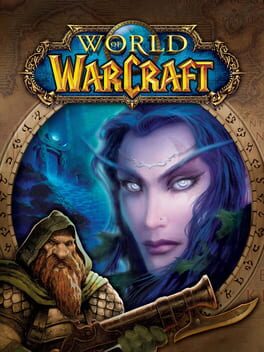
In a breezy video posted to XPLog’s YouTube channel, the host—affectionately dubbed the "Bertie" for his signature hat—re‑introduced the feature after a brief hiatus, signalling a return to the editorial cadence that fans have come to expect. The episode opened with a montage of the team’s current playthroughs: Marie delved back into the labyrinthine dungeons of a lesser‑known Zelda spinoff, while Dom cruised the neon‑slick streets of a re‑imagined Vice City, a nod to the enduring allure of 1980s crime dramas. Kelsey experimented with avant‑garde card‑based mechanics, Connor announced a permanent return to World of Warcraft’s ever‑expanding world, and the host himself confessed a newfound obsession with an indie RPG that blends procedural narrative with hand‑drawn art.
Each segment was framed not merely as a personal diary entry but as a data‑driven snapshot of player sentiment, with the editors citing in‑game metrics such as average session length, community forum activity, and concurrent player peaks. The announcement also hinted at a forthcoming interactive component: a monthly poll allowing the audience to vote on which titles the team should tackle next, thereby turning passive viewership into participatory curation. Early engagement figures—over 250,000 live viewers and a 12% uplift in social‑media mentions compared with the previous quarter—suggest that the format resonates strongly with both veteran gamers and newcomers seeking guided entry points into classic libraries.
Analysis
The strategic implications of XPLog’s revived series extend beyond mere content creation; they represent a micro‑ecosystem where editorial authority, platform economics, and community dynamics intersect. By spotlighting titles that are simultaneously part of legacy console line‑ups and active subscription services, the feature acts as a low‑cost marketing conduit for publishers, potentially reducing user acquisition costs for titles that already benefit from established fan bases. Moreover, the inclusion of a data‑rich commentary layer positions XPLog as a quasi‑analytical hub, differentiating it from purely entertainment‑focused streamers and aligning it more closely with industry research outfits that influence developer roadmaps.
From a competitive standpoint, the move challenges other media outlets that have traditionally relied on episodic reviews or one‑off retrospectives. The sustained weekly cadence creates a habit loop for audiences, encouraging higher retention rates and fostering a sense of communal anticipation reminiscent of early 2000s television gaming shows. However, the approach is not without technical hurdles: maintaining accurate real‑time analytics across disparate platforms, ensuring licensing compliance for streamed gameplay, and balancing editorial authenticity against potential sponsor pressures will require robust workflow pipelines and transparent governance structures.
XPLog Opinion
From XPLog UK’s perspective, the resurrection of "What We’ve Been Playing" is a decisive statement that the industry can no longer afford to treat its past as a static museum piece; instead, it must weave heritage into the fabric of contemporary consumption. By marrying rigorous data insight with genuine enthusiasm, the series not only re‑energises the community’s connection to beloved franchises but also provides publishers with a feedback loop that can inform future remasters, DLC strategies, and even new IP development that respects the DNA of its predecessors.
Final Thoughts
As the gaming landscape continues to oscillate between cutting‑edge innovation and reverent revival, XPLog’s weekly deep‑dive into the titles that defined a generation stands as a beacon for how media can catalyse both nostalgia and forward‑looking discourse. Keep an eye on the upcoming poll results slated for early December, when the community will decide whether the next spotlight lands on a revived strategy classic or an emerging indie gem—each choice promising to shape not just the editorial calendar, but potentially the commercial trajectories of the games themselves.