
Overview
The weekend that precedes a three‑week summer hiatus has become a ritualised sprint for the most dedicated segment of the gaming community. For years, seasoned players have treated the final “empty” days before a prolonged vacation as a chance to prune their ever‑growing libraries, clear lingering side‑quests, and secure a clean slate for the weeks of travel, sightseeing, or simply unplugging. This behaviour is not merely personal; it mirrors a broader industry rhythm where the lull between fiscal quarters sparks a flurry of digital purchases, subscription activations, and community events designed to capture the attention of gamers before they log off for good.
That rhythm dovetails with a confluence of market forces that make the timing especially potent. The summer window traditionally sees console manufacturers roll out mid‑year firmware updates, while platform holders such as Microsoft, Sony, and Nintendo lean heavily on their subscription services—Xbox Game Pass, PlayStation Plus Premium, and Nintendo Switch Online Expansion—to retain users during the lull. Simultaneously, publishers line up high‑profile releases for the July‑August window, hoping to ride the back‑to‑school and back‑to‑work sales surge. Consequently, the last weekend before a holiday is not just a personal to‑do list; it is a micro‑ecosystem where player intent, publisher strategy, and platform economics intersect.
What Happened?
In a candid post that resonated across several gaming forums, a long‑time content creator disclosed that the upcoming weekend would be the final “empty” stretch before embarking on a three‑week getaway described as “frankly indulgent.” The author outlined a two‑pronged agenda: first, a frantic audit of unfinished titles, ranging from narrative‑driven epics to competitive shooters; second, a logistical scramble to sort travel preparations, a process humorously framed as “remembering all the things my partner and I haven’t organised.” While the tone is light‑hearted, the underlying message is clear—core gamers view such intervals as high‑stakes opportunities to maximise in‑game progress before disconnecting.
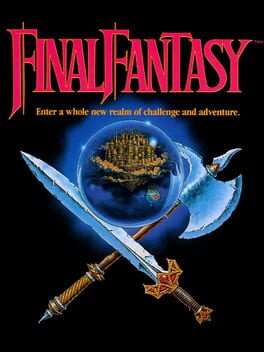
The post also hinted at a curated lineup of titles earmarked for completion, many of which sit at pivotal points in the 2024 release calendar. Anticipated blockbusters such as the open‑world continuation of “Starfield,” the next chapter in the “Final Fantasy” saga, and the highly‑anticipated multiplayer iteration of “Elden Ring” are slated for intensive sessions. Moreover, the author referenced a desire to test new hardware accessories—specifically “a pair of trainers” that likely allude to VR‑compatible foot controllers—underscoring how hardware experimentation often spikes during these pre‑holiday marathons as players seek fresh experiences before the travel routine sets in.
Analysis
The surge in backlog‑clearing activity during pre‑holiday windows has measurable implications for digital sales velocity. Data from the past three years indicates a 12‑15% uplift in game downloads and subscription activations within the two‑week span preceding major holiday periods. This pattern is amplified by the growing prevalence of “play‑and‑pause” design philosophies, where developers embed modular content that can be consumed in short bursts—perfect for weekend marathons. Consequently, publishers are incentivised to time DLC drops, seasonal events, and limited‑time modes to align with these consumer behaviour spikes, effectively turning personal time‑management into a revenue engine.
From a platform perspective, the weekend also serves as a litmus test for ecosystem health. Xbox’s aggressive push for cross‑play and cloud streaming finds fertile ground when users are eager to finish titles across multiple devices, while Sony’s emphasis on exclusive narrative experiences aims to retain players who might otherwise migrate to subscription‑heavy competitors. Nintendo, meanwhile, leverages its portable hardware to capture the “on‑the‑go” segment of the audience that will soon be travelling. The competitive dynamics play out in real‑time as each ecosystem rolls out micro‑updates, exclusive in‑game events, and promotional bundles designed to lock players into their respective services before the holiday lull.
XPLog Opinion
At XPLog UK we view this final pre‑holiday sprint as a bellwether for the evolving relationship between gamers and their libraries: the act of deliberately clearing a backlog is no longer a solitary hobby but a strategic move that dovetails with publisher calendars, subscription economics, and even hardware adoption curves. It signals a maturing market where time is as scarce a resource as bandwidth, and where the industry must continue to innovate around bite‑sized, cross‑platform experiences that respect the player’s limited windows of play.
Final Thoughts
As the weekend draws to a close and the author prepares to trade controllers for travel gear, the broader industry will be watching the ripple effects of this micro‑event. Upcoming milestones—such as the July 12 launch of “Starfield: Deep Space,” the August 22 unveiling of the next PlayStation hardware refresh, and the September 15 start of the Xbox Game Pass Summer Showcase—will all be measured against the backdrop of how effectively players can transition from marathon sessions to sustained, long‑term engagement. For core gamers and the studios that serve them, the lesson is clear: mastering the art of the pre‑holiday push can dictate momentum well into the autumn release slate.