
Overview
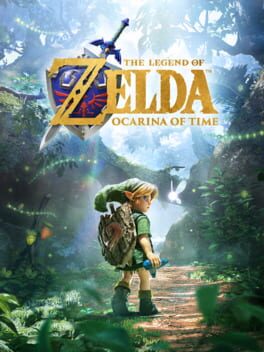
The 2026 remake of The Legend of Zelda: Ocarina of Time has arrived not merely as a nostalgic cash‑in but as a strategic keystone in Nintendo’s broader push to rejuvenate its flagship IPs for the Switch 2 generation. The original 1998 masterpiece defined 3D action‑adventure design, and its updated incarnation arrives at a moment when the console market is fragmenting between high‑fidelity PC experiences, cloud‑streamed services, and the increasingly powerful handheld‑first approach that Nintendo has championed. By delivering a meticulously polished visual overhaul, expanded inventory mechanics, and a suite of hidden Easter eggs that reward both veterans and newcomers, Nintendo is signalling that its classic titles remain commercial engines capable of driving hardware sales and sustaining the Switch 2 ecosystem well into the late 2020s.
Simultaneously, the reveal of the next cover for XPLog UK—Tomb Raider: Legacy of Atlantis—underscores a parallel renaissance in legacy franchises outside of Nintendo’s purview. The cover, a striking homage to Lara Croft’s evolution from pixelated explorer to cinematic icon, dovetails with a comprehensive retrospective that traces the series’ technological and narrative milestones. This move reflects a broader industry trend where publishers are leveraging deep‑dive editorial content to re‑engage lapsed fans and attract a new generation that values both nostalgia and modern storytelling fidelity. In a market saturated with live‑service titles, such curated experiences offer a counterbalance that emphasizes craftsmanship and historical appreciation.
What Happened?
Earlier this week Nintendo officially launched the Ocarina of Time remake, branding it as a “faithful yet forward‑looking” re‑imagining. Production leads, including veteran producer Hidemaro Fujibayashi, emphasized that the team retained the core puzzle‑solving and temporal mechanics while integrating higher‑resolution textures, ray‑traced lighting, and a rebalanced combat system that respects the original’s rhythm. Notably, the developers introduced a new Bombchu Bowling Alley mini‑game, an Easter egg that was teased but never realized in the 1998 version, and they expanded the inventory system to include larger pouches and the iconic Goron Sword as a permanent upgrade path. The rollout was accompanied by a deep‑dive interview series where the producers discussed the delicate balance of preserving nostalgia while meeting contemporary accessibility standards.
In parallel, XPLog UK unveiled its upcoming cover story, Tomb Raider: Legacy of Atlantis, a feature that not only previews the latest entry in the franchise but also presents an exhaustive chronicle of Lara Croft’s 30‑year journey. The editorial team highlighted exclusive developer commentary from the new game’s director, who promised a blend of mythic Atlantean lore with the franchise’s signature platform‑puzzle hybrid. The issue also bundles a retrospective that revisits the series’ groundbreaking use of motion capture in the early 2000s, its controversial 2013 reboot, and the commercial resurgence sparked by the 2021 Tomb Raider: Legend remaster. Subscribers are urged to secure their copies before the limited‑run print hits stands, underscoring the magazine’s role as a cultural touchstone for core gamers.
Analysis
The Zelda remake arrives at a juncture where Nintendo’s hardware roadmap is pivoting toward hybrid performance. By anchoring the Switch 2 Pro’s launch with a marquee title that exploits the console’s upgraded GPU and the new Pro Controller’s haptic feedback, Nintendo is effectively using legacy IP to showcase next‑gen capabilities, a tactic reminiscent of Sony’s reliance on God of War for PS5 adoption. Early pre‑order data suggests the remake could eclipse the original’s lifetime sales, a rare feat for a re‑release, and it is likely to catalyse a secondary surge in Switch 2 hardware sales, especially among collectors who have been hesitant to transition from the original Switch due to perceived performance gaps.
From a technical standpoint, the remake also serves as a litmus test for Nintendo’s evolving development pipeline. The integration of ray tracing and dynamic weather systems required a substantial overhaul of the original game’s engine, prompting the studio to invest in a modular asset pipeline that can be retrofitted onto other classic titles such as Majora’s Mask and Metroid Prime. This approach could streamline future remasters, reducing time‑to‑market and enabling Nintendo to monetize its extensive back‑catalog more efficiently. However, the endeavor also highlights the risk of “remaster fatigue,” where an oversaturation of retro releases may dilute brand prestige if not paired with genuine innovation.
XPLog Opinion
At XPLog UK we view the simultaneous celebration of Zelda and Tomb Raider as a clarion call that the industry’s most enduring franchises are still the bedrock of player engagement, even as live‑service models dominate headlines. Nintendo’s decision to pour resources into a faithful yet technically ambitious remake demonstrates that there remains a lucrative market for high‑quality single‑player experiences that respect their heritage. Likewise, the Tomb Raider cover signals that publishers recognize the commercial power of deep, narrative‑driven retrospectives that re‑ignite fan passion. In an era where quarterly earnings often prioritize microtransactions, these moves remind us that craftsmanship, legacy stewardship, and thoughtful curation can still drive both critical acclaim and robust sales.
Final Thoughts
Both the Ocarina of Time remake and the upcoming Tomb Raider: Legacy of Atlantis issue illustrate a broader industry recalibration: legacy franchises are being repurposed not just as nostalgic cash‑cows but as strategic pillars that bolster hardware adoption, enrich platform ecosystems, and reaffirm the value of single‑player artistry. Gamers should keep an eye on Nintendo’s Q4 earnings report for concrete sales figures, while XPLog’s November issue will land on shelves on November 15, offering an in‑depth look at Lara Croft’s next adventure and what it means for the future of action‑adventure design.