
Overview
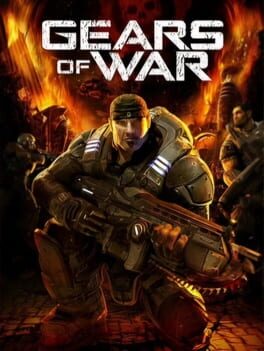
The Coalition’s recent announcement marks a pivotal moment in the Gears of War franchise, as the studio leverages the series’ 20‑year legacy to re‑ignite interest ahead of the eagerly anticipated Season 2 of Gears of War: E‑Day. By resurrecting the Guardian mode—a fan‑favorite Versus experience originally introduced in Gears of War 2—the developers are not merely offering nostalgic flair; they are signaling a broader strategic push to deepen the live‑service ecosystem that has become the backbone of modern console shooters. This move arrives at a time when the industry is witnessing a fierce competition between legacy franchises that are being repurposed for live‑service models and newer IPs that aim to capture the same long‑term engagement without the baggage of legacy expectations.
Within the wider console landscape, Microsoft’s Xbox platform has been aggressively courting both hardcore and casual audiences through a blend of subscription services, cross‑play initiatives, and regular content drops. Gears of War’s 20th anniversary celebration dovetails neatly with Microsoft’s broader narrative of “gaming for everyone,” positioning the franchise as a flagship title that can demonstrate the durability of Xbox Game Pass and the value of seasonal updates. The timing is also crucial: the first season of E‑Day is winding down at the end of November, creating a natural transition point for a content surge that can sustain player retention during the traditionally slow post‑holiday period.
What Happened?
In a surprise reveal, The Coalition announced that tomorrow’s free‑to‑play update will not only restore the Guardian mode to the Versus playlist but will also introduce a brand‑new Horde mission designed to test coordinated team play under tighter time constraints. Alongside these gameplay additions, the studio is gifting players a General RAAM skin—an iconic visual reference to the franchise’s early narrative that has become a collector’s item among long‑time fans. The RAAM skin distribution is being framed as a celebratory token, reinforcing the sentiment that the franchise’s heritage is being honored while simultaneously encouraging players to dive back into the revamped multiplayer loops.
The update also bundles a suite of “Legacy” cosmetics and map rotations, effectively creating a curated museum of Gears history within the live‑service framework. According to statements from The Coalition’s senior producer, the goal is to provide a “bridge” between the classic experience that defined the series and the evolving design philosophies that underpin Season 2’s new content. By re‑introducing familiar arenas and visual cues, the developers aim to lower the barrier for lapsed players to re‑engage, while offering veteran gamers fresh tactical scenarios that feel both nostalgic and novel.
Analysis
The decision to revive Guardian mode is more than a nostalgic nod; it is a calculated response to the data‑driven insights that live‑service titles thrive on recurring engagement spikes. Historical analysis of multiplayer shooters shows that periodic re‑introductions of legacy content can rejuvenate player churn rates, as seen with titles like Call of Duty’s “Warzone Classic” events and Battlefield’s “Historical Battles” mode. By weaving legacy maps and skins into the Season 2 roadmap, The Coalition is effectively creating a layered content calendar that can sustain weekly active user metrics, a crucial KPI for Xbox Game Pass’s subscription retention strategy. Moreover, the free RAAM skin serves as a low‑friction incentive, encouraging social sharing and word‑of‑mouth promotion—a tactic that aligns with Microsoft’s broader push to make premium content feel accessible without compromising perceived value.
From a competitive standpoint, the move also positions Gears of War to better contend with rival live‑service shooters that have already mastered the art of blending new content with heritage experiences. Epic’s Fortnite, for example, routinely re‑imagines legacy skins during anniversary events, turning nostalgia into a monetizable engine. While Gears of War does not currently leverage a micro‑transaction‑heavy model, the re‑introduction of legacy cosmetics could lay the groundwork for future optional purchases, allowing the franchise to diversify revenue streams without alienating its core base. Technically, the integration of older map assets into the current engine demonstrates The Coalition’s commitment to backward compatibility and efficient asset pipelines, a factor that could reduce development overhead for future seasonal updates.
XPLog Opinion
At XPLog UK we view the E‑Day legacy rollout as a masterclass in balancing reverence for a franchise’s roots with the relentless demands of a live‑service economy. The Coalition has wisely chosen to weaponise nostalgia—not as a crutch, but as a catalyst for renewed community dialogue, higher retention, and a stronger bargaining chip in Microsoft’s console wars. If the upcoming Season 2 can translate this goodwill into substantive, forward‑looking gameplay innovations, Gears of War may well redefine how legacy shooters evolve in an era dominated by battle‑royale and looter‑shooter titans.
Final Thoughts
In sum, the revival of Guardian mode, the introduction of a fresh Horde mission, and the distribution of the General RAAM skin collectively signal a strategic inflection point for Gears of War: E‑Day. As Season 2 looms, players should keep an eye on the rollout schedule slated for early December, watch for subsequent balance patches, and monitor community sentiment on platforms like Reddit and Discord. The success of this legacy‑centric push will likely influence not only the future of the Gears franchise but also set a benchmark for how long‑standing IPs can remain relevant in an increasingly service‑driven gaming market.