
Overview
When Sony announced the cancellation of Ratchet & Clank: Ranger Rumble, the news reverberated far beyond a single mobile title. The game, a multiplayer‑focused spin‑off set in Insomniac’s iconic sci‑fi universe, had been quietly slated for a soft launch on iOS and Android before a global rollout. Its abrupt termination arrives at a moment when console manufacturers are scrambling to capture the fragmented mobile market, a sector that now accounts for over half of global game revenue. Sony’s decision therefore signals a strategic recalibration, hinting that the PlayStation brand may be retreating from the high‑risk, low‑margin world of free‑to‑play mobile experiences that have been dominated by the likes of Tencent, Activision Blizzard, and King.
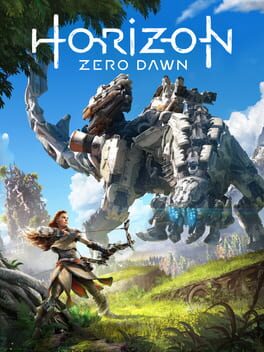
Historically, Sony’s forays into mobile gaming have been tentative at best. Early experiments such as PlayStation Mobile and the PlayStation Now streaming app never achieved the ecosystem integration that Microsoft’s Xbox Game Pass eventually secured. More recently, the company has experimented with mobile adaptations of its flagship IPs—Marvel’s Spider‑Man: Miles Morales and Horizon Zero Dawn have both seen companion titles on smartphones, yet none have progressed beyond a limited beta phase. Ranger Rumble represented perhaps the boldest attempt to translate a core console franchise into a live‑service, multiplayer‑first format, and its demise underscores the difficulty of aligning a premium console pedigree with the volatile economics of mobile monetisation.
What Happened?
According to insiders, development on Ranger Rumble began in early 2022 under a joint venture between Sony Interactive Entertainment Worldwide Studios and Insomniac Games. The project was intended to leverage the Ratchet & Clank brand’s whimsical combat and cooperative gameplay, delivering short, match‑based sessions that could thrive on the on‑the‑go habits of mobile users. A closed beta was reportedly conducted in select regions, gathering data on player retention, in‑app purchase conversion, and server stability. However, post‑beta analytics revealed a stark mismatch between expected revenue per user (RPU) and the cost of maintaining a live‑service backend, prompting senior leadership to halt further investment.
In a terse statement released to the press, Sony confirmed that Ranger Rumble would be “shut down prior to any global launch” and that the company remains “committed to delivering high‑quality experiences across all platforms.” The announcement was accompanied by the removal of all related assets from the PlayStation Store and the immediate cessation of any ongoing beta accounts. While no official comment was provided by Insomniac, industry observers note that the studio’s current pipeline—focused on the upcoming sequel to Ratchet & Clank: Rift Apart and a new IP for PlayStation 5—likely left little bandwidth to address the technical and design challenges that plagued the mobile project.
Analysis
The cancellation of Ranger Rumble is emblematic of a broader tension within Sony’s portfolio: the desire to diversify revenue streams versus the risk of diluting a brand built on premium, narrative‑driven experiences. Mobile live‑service games demand relentless content updates, aggressive monetisation tactics, and a deep understanding of player acquisition funnels—areas where Sony has historically lagged behind mobile‑first publishers. Moreover, the competitive landscape is increasingly hostile; Apple’s App Store and Google Play’s algorithmic promotion favour titles that can generate rapid, high‑volume micro‑transactions, a model that clashes with PlayStation’s traditionally ad‑free, full‑price ethos.
From a market perspective, the move may free up valuable development resources for Sony’s core console ecosystem, allowing Insomniac and other first‑party studios to double‑down on next‑gen titles that reinforce the PlayStation 5’s hardware advantage. It also serves as a cautionary tale for other console manufacturers eyeing mobile expansion: success is not guaranteed by brand recognition alone, and the economics of free‑to‑play demand a distinct set of design philosophies and operational expertise. In the short term, Sony’s mobile revenue will likely dip, but the long‑term brand integrity of PlayStation could benefit from avoiding a potential misstep that might have alienated its dedicated fanbase.
XPLog Opinion
At XPLog UK we view the Ranger Rumble shutdown as a pragmatic, if painful, decision that underscores Sony’s commitment to preserving the premium reputation of its flagship franchises. Rather than chasing fleeting mobile market share, Sony appears to be refocusing on delivering blockbuster experiences that justify the PlayStation ecosystem’s subscription and hardware costs. For core gamers, this is reassuring: it means the next wave of Ratchet & Clank adventures will likely arrive as fully‑fledged, technically polished titles on consoles, not as fragmented mobile experiments that risk eroding the series’ narrative weight.
Final Thoughts
While the disappearance of Ranger Rumble may disappoint the handful of early adopters who were eager for a portable Ratchet & Clank experience, the broader implication is clear: Sony is choosing depth over breadth, prioritising its console‑first legacy over an uncertain mobile venture. Stakeholders should keep an eye on Sony’s upcoming fiscal reports and any future announcements regarding mobile strategy, as the company may yet pivot to a more measured approach—perhaps focusing on companion apps or cross‑platform play rather than full‑scale mobile live‑services. Until then, the PlayStation brand remains anchored in its core strength: delivering high‑quality, story‑driven experiences that keep players coming back to the living room.