
Overview
After more than two decades of shaping the narrative-driven RPG landscape, BioWare’s sudden dissolution has sent shockwaves through both the development community and the millions of fans who have lived through the galaxy‑spanning sagas of Mass Effect and the moral quandaries of Dragon Age. The studio, once a beacon of storytelling ambition under the Electronic Arts umbrella, found itself at the centre of a high‑profile corporate reshuffle when EA’s private equity‑backed acquisition last year triggered a cascade of budget realignments, talent migrations, and ultimately a decision to shutter the venerable Austin‑based team.
In an industry where studio closures are often shrouded in silence, the announcement of a forthcoming documentary promises to lift the veil on the internal dynamics that led to BioWare’s demise, while also preserving the cultural imprint of its most iconic franchises. Scheduled for release in 2025, the film will be assembled by a team of veteran game historians and journalists who intend to weave archival footage, developer interviews, and player testimonies into a narrative that not only recounts the final months but also situates BioWare’s story within the broader evolution of AAA narrative design, EA’s shifting business model, and the growing clout of community‑driven preservation efforts.
What Happened?
The closure was formally confirmed in late August, following a terse internal memo that cited “strategic realignment” and “resource optimisation” as the primary drivers. Sources close to the studio revealed that the decision was precipitated by a confluence of factors: a series of under‑performing releases, escalating development costs associated with next‑gen production pipelines, and a board‑level push from EA’s new private owners to streamline its portfolio toward live‑service and mobile‑centric titles. Within weeks, key leadership departed, and a wave of layoffs swept through the studio, leaving only a skeleton crew to finish contractual obligations.
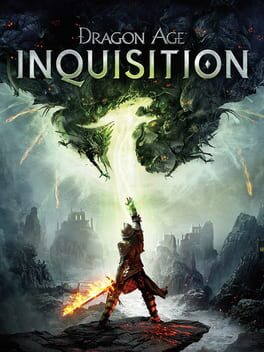
Simultaneously, a consortium of former BioWare alumni, industry documentarians, and fan‑led archivists began negotiating access to internal footage, design documents, and candid interviews. The resulting documentary, tentatively titled “BioWare: The Final Frontier,” will feature never‑before‑seen behind‑the‑scenes material from the development of Mass Effect 3’s controversial ending, the iterative design of Dragon Age: Inquisition’s combat system, and the aborted projects that were shelved during EA’s restructuring. The filmmakers have pledged to present an unvarnished portrait, including the emotional toll on staff, the creative compromises imposed by corporate oversight, and the community’s reaction to the abrupt termination of beloved story arcs.
Analysis
From a market perspective, BioWare’s exit underscores the increasing volatility of large‑scale narrative studios operating under conglomerate ownership. EA’s pivot toward high‑frequency, revenue‑driven models—exemplified by its investments in Apex Legends and the acquisition of mobile powerhouse Glu Mobile—has left less room for the multi‑year, high‑budget cycles that titles like Mass Effect historically required. This shift not only threatens the diversity of experiences on console ecosystems but also accelerates the consolidation of creative talent into a handful of “evergreen” franchises that can be monetised through DLC and live‑service updates.
Technologically, the documentary will likely illuminate the challenges BioWare faced in transitioning from legacy engines to the Frostbite framework, a move that historically strained the studio’s pipeline and contributed to delayed milestones. Moreover, the film’s focus on the studio’s internal culture may serve as a cautionary case study for other mid‑size developers navigating the delicate balance between artistic ambition and shareholder expectations, especially as investors continue to demand short‑term returns in a market dominated by streaming services and subscription models.
XPLog Opinion
At XPLog UK we view the documentary not merely as a nostalgic look back, but as a vital archival record that could influence future industry standards for transparency and developer welfare; the BioWare saga is a stark reminder that even the most storied studios are vulnerable when corporate strategy eclipses creative stewardship, and the film’s revelations may galvanise both publishers and the gaming community to demand more sustainable development practices.
Final Thoughts
As the release date approaches, the documentary will undoubtedly become a focal point for debates about the future of narrative‑driven AAA gaming, the responsibilities of mega‑publishers, and the power of fan advocacy to preserve gaming heritage; keep an eye on the official trailer slated for early 2025 and the subsequent panel discussions that will likely shape policy conversations at major events like GDC and Gamescom.