
Overview
Since the unveiling of the Switch 2 earlier this year, Nintendo has signaled a clear intent to lean heavily into its rich heritage of first‑party classics, positioning the new hardware as the definitive home for revitalised N64 experiences. In a market increasingly dominated by high‑fidelity graphical upgrades and live‑service ecosystems, Nintendo’s decision to foreground nostalgic remakes reflects a broader industry trend where legacy IP is repackaged to capture both veteran collectors and a new generation of players seeking curated, story‑driven adventures.
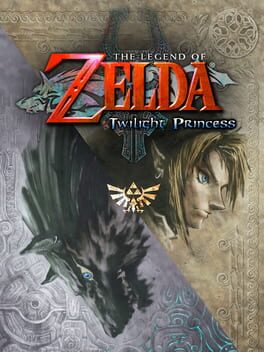
Historically, Nintendo has alternated between groundbreaking hardware introductions—such as the Wii’s motion controls and the Switch’s hybrid flexibility—and periods of incremental refinement that rely on its venerable catalogue. The current wave follows a pattern established during the Wii U era, when titles like "Super Mario 3D World" and "The Legend of Zelda: Twilight Princess HD" were leveraged to sustain console momentum. By concentrating on the N64’s most iconic releases, Nintendo is not merely cashing in on nostalgia; it is re‑asserting the cultural cachet of its golden age while attempting to offset the modest launch sales of the Switch 2 with proven, high‑margin products.
What Happened?
In the latest press briefing, Nintendo confirmed that a full‑scale remake of "The Legend of Zelda: Ocarina of Time" is slated for a worldwide launch on the Switch 2 later this quarter. The announcement highlighted a ground‑up reconstruction using the engine that powered the recent "Tears of the Kingdom" expansion, promising enhanced lighting, a re‑engineered physics system, and a reimagined audio pipeline that supports Dolby Atmos. Nintendo’s senior producer emphasized that the title will retain the original’s iconic puzzles and narrative beats while offering optional quality‑of‑life upgrades such as a dynamic difficulty slider and a modernised inventory UI.
This release follows the surprise debut of the "Star Fox 64" remake in June, which quickly surpassed the one‑million‑unit threshold—a milestone that underscored the appetite for polished retro experiences on contemporary hardware. The success of "Star Fox" has emboldened Nintendo to outline an ambitious rollout calendar that could see further N64 legends like "Majora's Mask" and "Banjo‑Kazooie" (via a new partnership with Microsoft) reappear on the Switch 2 platform. The company’s roadmap suggests a quarterly cadence, aligning each launch with key retail windows to maximise exposure and sustain consumer interest throughout the console’s lifecycle.
Analysis
From a market perspective, Nintendo’s remake strategy serves a dual purpose: it bolsters software sales in a period where first‑party original releases are comparatively sparse, and it leverages the Switch 2’s upgraded GPU and SSD to deliver a premium experience that rivals the visual fidelity of contemporary PlayStation and Xbox titles. The financial impact could be significant; the $70‑price point of these remakes, combined with the platform’s strong install base, positions them to outpace many indie titles that typically dominate the Switch’s eShop. Moreover, the timing aligns with Sony’s own retro push via the PlayStation Plus Collection, creating a competitive dynamic where legacy content becomes a key differentiator rather than a supplementary offering.
Technically, the undertaking is not without challenges. Rebuilding N64 titles from the ground up demands meticulous reverse‑engineering of legacy assets, a process that can strain development pipelines already occupied by next‑gen projects like "Metroid Prime 4" and the forthcoming "Pikmin 4" sequel. Nintendo must balance the allocation of its limited senior engineering talent between these high‑visibility remakes and the creation of original IP—a tension that could influence the cadence of future first‑party launches. Nonetheless, the successful delivery of "Star Fox 64" demonstrates that Nintendo’s internal tools, now refined through the development of "Tears of the Kingdom," are capable of bridging the gap between nostalgic fidelity and modern performance expectations.
XPLog Opinion
At XPLog UK, we view Nintendo’s aggressive remake schedule as a savvy, albeit cautious, maneuver that acknowledges the current market’s appetite for guaranteed quality while buying time to nurture its next wave of original experiences. The approach mitigates risk by capitalising on established brand equity, yet it also raises a critical question: will an overreliance on nostalgia dilute the studio’s reputation for innovation? Our stance is that, provided Nintendo continues to pair these revivals with bold new entries, the strategy will reinforce the Switch 2’s value proposition without compromising its legacy of pioneering gameplay.
Final Thoughts
In sum, Nintendo’s rollout of high‑profile N64 remakes on the Switch 2 is more than a nostalgic cash‑in; it is a calculated effort to anchor the console’s early sales trajectory, reinforce its unique library, and set the stage for future original releases. With "Ocarina of Time" slated for launch in Q4 and further classics hinted for early 2027, players and investors alike should keep a close eye on Nintendo’s quarterly earnings reports and the upcoming Nintendo Direct in March, where additional titles and perhaps a surprise hardware iteration may finally be revealed.