
Overview
Japan’s weekly software charts have long been a bellwether for the health of the console market, and this week they have delivered a narrative that is as surprising as it is encouraging for Nintendo. After months of cautious optimism surrounding the forthcoming Switch 2, the latest Famitsu data shows a pronounced uplift in hardware sales, a movement that coincides with the imminent launch of Zelda: Ocarina of Time – a title that not only resurrects one of the most revered entries in gaming history but also serves as a strategic catalyst for the next‑generation handheld.
Historically, Nintendo has leveraged marquee first‑party releases to drive hardware adoption, a tactic that dates back to the original Super Mario Bros. on the NES and more recently to the Switch’s own launch with The Legend of Zelda: Breath of the Wild. This pattern is now repeating itself, but with an added layer of complexity: the Switch 2 is entering a market where the PlayStation 5 and Xbox Series X|S have already cemented their dominance in the high‑end segment. The Japanese charts, therefore, are not merely reflecting raw unit counts; they are illustrating Nintendo’s ability to carve out a distinct niche by marrying nostalgic franchise power with a refreshed hardware proposition.
What Happened?
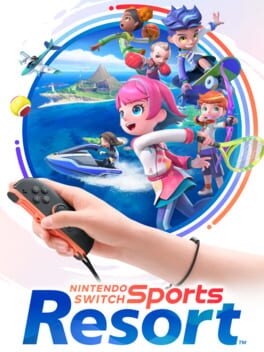
The latest Famitsu weekly rankings reveal that Nintendo Switch Sports Resort has retained its position at the summit, moving an additional ~23,000 units and reinforcing the title’s role as a low‑barrier, socially driven experience that appeals to a broad demographic. More striking, however, is the debut of the Switch 2 edition of Minecraft at the third spot on the chart—a clear indicator that third‑party developers are already aligning their flagship titles with Nintendo’s new platform, despite the console’s still‑limited global rollout.
Coupled with these software movements, the hardware segment of the chart shows a “nice bump” for the Switch 2, a term Nintendo’s Japanese marketing team has been using to describe the modest yet meaningful surge in sales ahead of the Zelda launch. Official statements from Nintendo’s product division suggest that the company has deliberately timed a wave of promotional bundles, pairing the Switch 2 with exclusive accessories and early‑access passes for Ocarina of Time, thereby creating a synergistic push that amplifies both hardware and software demand.
Analysis
From a market performance perspective, the Switch 2’s incremental sales are significant when viewed against the backdrop of a saturated console landscape. While the PlayStation 5 continues to dominate global shipments, Nintendo’s strategy of incremental hardware upgrades—mirroring the Wii U to Switch transition—allows it to sustain a revenue stream without directly confronting the high‑price tier. The chart bump suggests that Nintendo’s ecosystem remains resilient, especially in Japan where handheld gaming retains cultural relevance. Moreover, the early adoption of Minecraft on the new hardware hints at a broader developer confidence that could translate into a richer library, mitigating the risk of a “first‑gen” software drought that plagued earlier Nintendo hardware cycles.
Technical considerations also play a pivotal role in this narrative. The Switch 2’s upgraded GPU and improved power efficiency address longstanding criticisms about the original’s performance ceiling, opening doors for more ambitious titles that previously required the horsepower of a PS5. However, supply chain constraints—still a lingering aftereffect of the pandemic—could throttle the momentum if Nintendo cannot meet the heightened demand spurred by Zelda’s release. The company’s recent investment in domestic component sourcing may alleviate some bottlenecks, but the real test will be whether the hardware pipeline can keep pace with the accelerated development schedules of third‑party studios eager to capitalize on the platform’s renewed visibility.
XPLog Opinion
At XPLog UK, we view this chart movement as a decisive proof point that Nintendo’s hybrid model, now bolstered by a next‑gen iteration, remains a potent force in a market increasingly dominated by raw technical specifications. The synergy between a beloved franchise like Zelda and a refreshed hardware slate demonstrates Nintendo’s mastery of timing and brand leverage—a formula that, if executed with disciplined supply management, could propel the Switch 2 to become the best‑selling handheld of the decade, reshaping the competitive dynamics not just in Japan but globally.
Final Thoughts
In sum, the recent surge in Switch 2 sales, amplified by the chart‑topping performance of Switch Sports Resort and the debut of Minecraft on the new platform, signals a healthy pre‑launch environment for Zelda: Ocarina of Time. As the title’s global release approaches in early 2027, and Nintendo prepares its next fiscal earnings report in February, observers should monitor whether this momentum translates into sustained hardware adoption or remains a fleeting spike. Either way, the data underscores Nintendo’s enduring capacity to turn cultural nostalgia into concrete market advantage.