
Overview
When Nintendo unveiled its fiscal results for the third quarter of 2026, the headline numbers reminded the industry why the Switch family remains a commercial mainstay more than a decade after its debut. While the console’s sales velocity has naturally tapered from the meteoric launch years, the platform’s first‑party catalogue continues to generate incremental revenue streams that outpace many competing ecosystems. Mario Kart 8 Deluxe, now perched at an astonishing 72 million units sold across both the original Switch and the Switch OLED, exemplifies a rare breed of evergreen title that not only fuels hardware demand but also sustains a vibrant multiplayer culture that has migrated from living rooms to online lobbies worldwide.
Contextually, the Switch’s performance must be read against a backdrop of shifting consumer expectations. The rise of cloud‑based gaming services, the aggressive expansion of PlayStation’s and Xbox’s subscription libraries, and the growing appetite for high‑fidelity, open‑world experiences have all pressured Nintendo to double‑down on its unique value proposition: accessible, family‑friendly fun paired with a distinctive handheld‑console hybrid. The latest sales figures confirm that Nintendo’s strategy of leveraging its iconic mascots and tightly curated first‑party pipeline still resonates, even as the broader market leans toward subscription models and cross‑platform play.
What Happened?
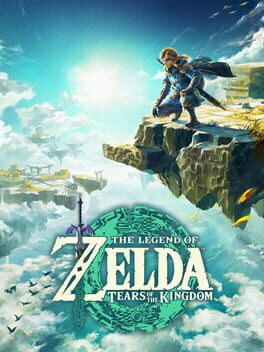
In the recent earnings release, Nintendo disclosed that the combined sales of Switch 1 and Switch 2 hardware have crept past the 125 million mark, a milestone that, while modest compared to its peak, underscores the longevity of the platform. The company highlighted that Mario Kart 8 Deluxe remains the crown jewel of the library, inching forward by a few hundred thousand copies since the last reporting period. No new titles have displaced it from the top slot, and the ranking of other first‑party staples such as The Legend of Zelda: Tears of the Kingdom and Animal Crossing: New Horizons has remained largely static, suggesting a plateau in consumer discovery rather than a decline in enthusiasm.
Accompanying the raw numbers, Nintendo’s senior vice‑president of sales and marketing, Shinya Takahashi, remarked that the “steady climb” of legacy titles is a testament to the console’s enduring relevance in a crowded market. He emphasized that Nintendo is investing heavily in post‑launch support—seasonal events, downloadable content, and cross‑generational compatibility patches—that keep older games fresh for both veteran fans and newcomers alike. The announcement also hinted at an upcoming “Switch 2 Refresh” program aimed at bundling popular first‑party games with discounted hardware, a move designed to rekindle sales momentum ahead of the holiday season.
Analysis
The persistence of Mario Kart 8 Deluxe at the apex of Switch sales reflects a broader industry truth: evergreen, multiplayer‑centric experiences act as de‑facto platform anchors. In an era where subscription services commodify game access, a title that can be purchased once and enjoyed indefinitely offers a compelling alternative revenue model. Moreover, the game’s continuous post‑launch support—new tracks, characters, and seasonal modes—has effectively turned it into a living service without the overhead of a full‑blown live‑ops pipeline. This hybrid approach allows Nintendo to extract recurring engagement while preserving its low‑maintenance development ethos.
From a competitive standpoint, the Switch’s sales trajectory signals that Nintendo can still carve out a niche against the horsepower‑driven narratives of PlayStation 5 and Xbox Series X|S. While Sony and Microsoft chase 4K performance and expansive game libraries, Nintendo leans on its cultural cachet and the “pick‑up‑and‑play” immediacy that first‑party titles provide. The modest growth in sales also hints at a maturing user base that is less driven by hardware upgrades and more by content longevity. This dynamic could influence future console design decisions, pushing Nintendo toward incremental hardware refreshes rather than radical generational leaps, a strategy that aligns with its historically cautious approach to platform turnover.
XPLog Opinion
At XPLog UK we view Nintendo’s steadfast reliance on its first‑party juggernauts not as a sign of stagnation but as a calculated bet on brand equity and community endurance; the company’s willingness to nurture titles like Mario Kart 8 Deluxe through continual updates demonstrates a nuanced understanding that longevity, not just launch hype, fuels sustainable profit in today’s fragmented gaming landscape.
Final Thoughts
As the fiscal year draws to a close, the data suggests that Nintendo’s hybrid strategy—marrying timeless first‑party experiences with modest hardware iterations—will keep the Switch family relevant well into the next console generation, with the next major sales checkpoint slated for the Q4 2026 holiday window when the announced “Switch 2 Refresh” bundles hit shelves.