
Overview
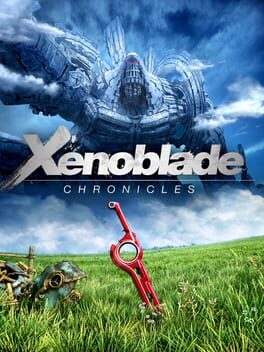
The announcement that Monolith Soft, the venerable studio behind the sprawling Xenoblade Chronicles franchise, lent its expertise to the long‑awaited Zelda: Ocarina of Time remake has sent ripples through the industry. Nintendo’s internal EPD Production Group No. 3 has been credited as the primary developer, yet the subtle inclusion of Monolith Soft’s talent pool hints at a strategic partnership that could reshape how Nintendo approaches its heritage titles, especially as the company eyes the forthcoming Switch 2 hardware platform.
Historically, Nintendo has guarded its flagship IPs tightly, often relying on in‑house teams to shepherd remakes and remasters. The original Ocarina of Time, released in 1998, set a benchmark for 3D adventure design, and its 2023 remaster on the Switch was praised for visual fidelity but critiqued for limited innovation. By bringing Monolith Soft into the fold—a studio renowned for massive open‑world engineering, seamless streaming, and intricate narrative scaffolding—Nintendo appears to be signaling a shift toward leveraging its subsidiary talent to push technical boundaries without diluting brand identity.
What Happened?
Earlier this week Nintendo confirmed that the upcoming Ocarina of Time remake for the Switch 2 will be a collaborative effort, with Monolith Soft providing core systems support, world‑loading architecture, and gameplay polishing. According to statements from both EPD and Monolith Soft leadership, the partnership focused on re‑imagining the game’s iconic dungeons using the studio’s experience with real‑time terrain streaming, a technique honed in Xenoblade Chronicles X and 2. This approach aims to eliminate the notorious pop‑in and frame‑rate hiccups that plagued the 2023 version, delivering a fluid experience that feels native to the next‑gen console.
In addition to technical contributions, Monolith Soft’s narrative designers were consulted to enrich side‑quest content and expand the lore surrounding Hyrule’s mythology. While the core story remains faithful to the original, the team introduced optional dialogue branches and environmental storytelling cues that reward long‑time fans with fresh insights. The collaboration was reportedly orchestrated under a joint production schedule that allowed both studios to maintain distinct pipelines while sharing a unified vision for the final product.
Analysis
The decision to enlist Monolith Soft reflects Nintendo’s broader strategy of maximizing internal IP value through cross‑studio synergies. As the console market becomes increasingly competitive, with Sony’s PlayStation 6 and Microsoft’s Xbox Series X2 promising raw horsepower, Nintendo must differentiate through polish and depth rather than sheer performance. Monolith Soft’s proven ability to manage massive open worlds on limited hardware suggests that the Ocarina remake could become a showcase for how Nintendo can extract next‑gen fidelity without abandoning the portable ethos of the Switch line.
From a market perspective, the partnership also mitigates risk. By distributing development responsibilities, Nintendo reduces the chance of a single‑point failure that could jeopardize a flagship title’s reputation. Moreover, the collaboration sends a signal to third‑party developers that Nintendo is willing to allocate its top talent to legacy projects, potentially encouraging more ambitious revivals of classic franchises across the ecosystem. This could translate into higher attachment rates for the Switch 2, bolstering hardware sales and reinforcing Nintendo’s unique position as the curator of gaming heritage.
XPLog Opinion
At XPLog UK we view Monolith Soft’s involvement as a decisive move that could redefine Nintendo’s remake playbook; the studio’s mastery of seamless world streaming and layered storytelling promises an Ocarina of Time experience that feels both reverent and revolutionary, setting a new benchmark for how legacy titles can be reborn on modern hardware without compromising their soul.
Final Thoughts
As the Switch 2 launch window approaches, the Ocarina of Time remake stands as a litmus test for Nintendo’s collaborative development model. Should the title deliver on its lofty technical promises, it will not only vindicate the decision to bring Monolith Soft on board but also pave the way for future cross‑studio revivals that could keep Nintendo’s storied catalog vibrant for a new generation of gamers. Keep an eye on the official reveal slated for early 2027, when further details on performance metrics and post‑launch content will likely be disclosed.