Overview
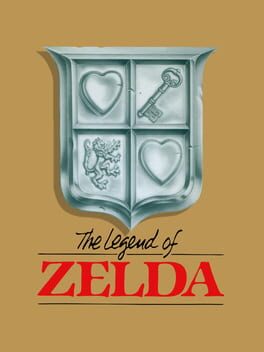
The release of a limited‑edition Zelda 40th Anniversary Pin Set arrives at a pivotal moment for Nintendo, dovetailing with the highly anticipated launch of the Switch 2 and a simultaneous re‑release of Ocarina of Time. While the pin collection may appear as a modest merchandising move, it is emblematic of a broader strategy that Nintendo has refined over three decades: turning nostalgia into tangible revenue streams while reinforcing brand loyalty among its most ardent fans. The Legend of Zelda franchise, inaugurated in 1986 with the original NES title, has consistently served as a cultural touchstone, shaping the expectations of adventure gaming and spawning a multigenerational fan base that now spans millennials to Gen Z. By commemorating four decades of Hyrule’s mythology with a physical artifact, Nintendo not only celebrates its legacy but also signals a renewed focus on high‑value collectibles that can command premium pricing in an increasingly saturated console market.
Industry observers note that the timing is no accident. The Switch 2, rumored to feature upgraded hardware, a refined UI, and deeper integration with Nintendo’s expanding online ecosystem, is poised to compete directly with the PlayStation 5 Pro and Xbox Series X upgrades. In this climate, ancillary products such as exclusive pins serve a dual purpose: they create a sense of urgency that drives early‑adopter sales of the new hardware, and they generate ancillary cash flow that can offset the steep R&D costs associated with next‑gen development. Moreover, the pin set taps into the burgeoning collector economy, where limited runs of high‑quality memorabilia have historically outperformed traditional game sales in terms of per‑unit profit margins, especially when bundled with digital pre‑orders or special edition console bundles.
What Happened?
Nintendo announced the Zelda 40th Anniversary Pin Set as a timed exclusive available only through its official online store and select retail partners in the United States. The collection comprises four meticulously crafted enamel pins, each representing a pivotal icon from the series: the Triforce, the Master Sword, the Ocarina, and a stylized silhouette of Link. Production is capped at a modest 5,000 units per design, with each pin individually numbered, reinforcing scarcity and encouraging rapid purchase. The release coincides with a coordinated marketing push that includes a teaser trailer for the upcoming Switch 2 launch, featuring a remastered Ocarina of Time segment that showcases the console’s enhanced graphics and audio capabilities, effectively using the anniversary as a narrative bridge between past triumphs and future innovations.
In developer statements, Nintendo’s senior marketing director emphasized that the pin set is more than a souvenir; it is a “physical manifestation of the emotional resonance that Zelda has cultivated over four decades.” The company also hinted at future cross‑promotional opportunities, suggesting that owners of the pin set might receive early access to beta testing phases for upcoming Zelda titles or exclusive in‑game cosmetic items. This layered approach—tying physical collectibles to digital incentives—reflects a growing trend in the industry where publishers blur the lines between tangible merchandise and virtual content to deepen engagement and create recurring revenue loops.
Analysis
From a market performance perspective, Nintendo’s pin release is a calculated maneuver to capitalize on the collector’s premium while mitigating the risk of a lukewarm hardware debut. Historical data from previous anniversary releases—such as the 30th‑anniversary Master Quest Collector’s Edition—showed a spike of up to 12% in pre‑order numbers for the associated hardware, driven largely by the desire to secure limited‑edition items. By replicating this model with a more modest, yet highly coveted, pin set, Nintendo can replicate that boost without overextending production costs. Additionally, the pin set’s exclusivity to the US market creates a regional scarcity that may stimulate secondary market activity, further amplifying brand visibility and reinforcing Nintendo’s reputation for “must‑have” items.
Competitor analysis reveals that Sony and Microsoft have largely eschewed physical collectibles in favor of digital bundles and subscription services. While this strategy aligns with their broader ecosystem focus, it leaves a niche that Nintendo can dominate. The pin set also serves as a low‑risk testbed for future physical‑digital hybrid offerings, such as NFC‑enabled pins that could unlock in‑game content—a concept already explored by other sectors like the Pokémon franchise. If successful, this could usher in a new revenue tier for Nintendo, blending the tactile appeal of merchandise with the scalability of software distribution.
XPLog Opinion
At XPLog UK we view the Zelda 40th Anniversary Pin Set as a shrewd, if not slightly nostalgic, masterstroke that underscores Nintendo’s unrivaled ability to monetize legacy IP. The move demonstrates a clear understanding that today’s core gamers are not just consumers of digital experiences; they are also avid collectors who value rarity and tangible connections to the games they love. By leveraging the anniversary to drive both hardware and ancillary sales, Nintendo reaffirms its position as a company that can turn sentiment into profit without compromising the integrity of its flagship franchises.
Final Thoughts
In sum, the Zelda pin set is a microcosm of Nintendo’s broader strategic playbook: celebrate heritage, create scarcity, and intertwine physical collectibles with the launch cadence of next‑generation hardware. As the Switch 2 rollout progresses and the pin set disappears from shelves, the real test will be whether this approach translates into sustained sales momentum for the console and paves the way for more ambitious collector‑centric initiatives. Keep an eye on the upcoming September reveal event, where Nintendo is expected to announce whether the pins will unlock exclusive in‑game rewards—a development that could redefine how publishers think about the synergy between merchandizing and digital content.

 XPLog
05 Nov 2026
5 min read