
Overview
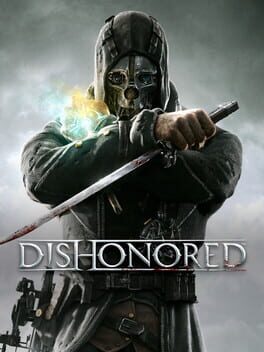
Since Microsoft’s landmark acquisition of ZeniMax Media in 2021, the integration of Arkane Studios into the Xbox ecosystem has been watched as a barometer for the publisher’s ambition to blend auteur‑driven design with its sprawling live‑service strategy. Arkane Lyon, the French outpost behind the critically lauded Dishonored and Prey franchises, has long been celebrated for its meticulous world‑building, emergent gameplay loops, and a culture that prizes narrative depth over raw technical polish. The studio’s recent assignment – a high‑profile, Marvel‑licensed action‑adventure titled Blade – arrived at a moment when Xbox is seeking to leverage marquee IPs to compete directly with Sony’s PlayStation Studios and the burgeoning ecosystem of third‑party blockbusters on console and PC.
The announcement that a union representing Arkane Lyon’s workforce has publicly warned Microsoft that “closing the studio would probably be more expensive” than completing the Blade project adds a new layer of complexity to an already fraught situation. In an industry where studio closures have become a blunt instrument for cost‑cutting, the union’s intervention underscores a growing awareness among developers that financial calculus must now factor in legal, reputational, and community‑backlash costs. This development arrives against a backdrop of heightened scrutiny over Microsoft’s handling of acquired studios, from the contentious handling of Bethesda’s Starfield launch to the ongoing debate over the future of the Elder Scrolls franchise under the Xbox umbrella.
What Happened?
During a recent press briefing, representatives of the Arkane Lyon Union disclosed that internal projections indicate the fiscal outlay required to wind down the studio – including severance packages, relocation costs for key talent, and potential litigation stemming from breach of contract clauses – would surpass the budget already allocated to bring Blade to market. The union’s statement, while careful not to reveal exact figures, suggests that the projected shutdown expense could climb into the high‑double‑digit millions, a sum that eclipses the estimated development spend for the Marvel title, which is believed to be in the mid‑range for AAA projects with licensed properties.
Microsoft’s response, filtered through its corporate communications team, has been measured yet resolute. Executives emphasized a “commitment to delivering on our promises to partners and players,” hinting that the company views Blade not merely as a standalone product but as a strategic anchor for its broader Marvel licensing strategy. By positioning the game as a potential exclusive for Xbox Game Pass, Microsoft hopes to attract both Marvel fans and the studio’s loyal fanbase, thereby reinforcing the value proposition of its subscription service in a market where subscription fatigue is beginning to surface.
Analysis
The financial calculus presented by the union forces a re‑examination of how Microsoft values its internal development pipelines versus external licensing deals. Historically, Microsoft has preferred to absorb short‑term losses on titles that can later serve as ecosystem magnets; the Halo franchise’s evolution into a multimedia juggernaut is a prime example. If Blade can secure a strong launch window and integrate tightly with Game Pass, the long‑term subscriber acquisition and retention benefits could dwarf the immediate development costs, turning what appears as a budgetary dilemma into a strategic investment.
However, the technical challenges of marrying Marvel’s cinematic legacy with Arkane’s systems‑driven design philosophy should not be underestimated. Arkane’s signature emphasis on player agency and emergent storytelling may clash with the narrative constraints imposed by a tightly scripted superhero property. Moreover, the studio’s recent history of resource reallocations – notably the shift of talent to support Deathloop and the post‑launch support for Dishonored: Death of the Outsider – raises questions about whether the current pipeline can accommodate the additional workload without compromising quality. Competitors such as Sony, which has successfully integrated licensed IPs like Marvel’s Spider‑Man into its own ecosystem, demonstrate that the risk is manageable but requires a disciplined production schedule and clear creative leadership.
XPLog Opinion
From XPLog’s perspective, Microsoft’s decision to double down on Blade is a calculated gamble that could pay dividends far beyond the immediate sales figures. By choosing to keep Arkane Lyon alive, Microsoft not only preserves a studio with a proven track record of cult classics, but also sends a powerful signal to the development community that its acquisition strategy is built on long‑term stewardship rather than quick asset stripping. In a climate where player trust is increasingly tied to corporate transparency, the move could fortify Xbox’s reputation as a haven for creative talent, ultimately enriching the Game Pass catalogue with experiences that are both critically acclaimed and commercially viable.
Final Thoughts
As the calendar turns toward the next fiscal quarter, the industry will be watching closely to see whether Blade materialises as a flagship title that justifies the financial risk outlined by the Arkane Lyon Union. Upcoming milestones – the next developer showcase, a potential beta on Xbox Series X|S, and the alignment with Marvel’s broader cinematic release schedule – will serve as key indicators of Microsoft’s commitment. Should the project succeed, it could redefine how large publishers leverage acquired studios to deliver licensed experiences, while also cementing Xbox’s position as the console ecosystem most willing to invest in preserving its creative assets for the long haul.