
Overview
When Phantom Blade Zero launched on the current generation of consoles and PC, it arrived with a pedigree that immediately invited comparison to the most exacting action‑RPGs of the past decade. The studio behind the title, a mid‑size developer with a track record of blending high‑octane combat with intricate level design, positioned the game as a spiritual successor to the notoriously unforgiving Soulsborne lineage, promising a “hard‑as‑steel” experience that would reward perseverance and precision. In an era where the market is saturated with accessibility‑first titles and the industry is grappling with the balance between inclusivity and challenge, the announcement sparked a wave of speculation across forums, livestreams, and trade publications.
Within the first week of release, the conversation coalesced around a single question: is the difficulty curve of Phantom Blade Zero calibrated for the modern gamer, or does it revert to the punitive design philosophies that once defined the genre? To capture the pulse of the community, a comprehensive poll was circulated on major gaming platforms, gathering responses from both seasoned veterans of the genre and newcomers drawn in by the game’s sleek aesthetic. The results have become a barometer for how far the industry can push the envelope of difficulty without alienating a broader audience that now expects at least a modicum of adaptive challenge.
What Happened?
The poll, hosted by a leading gaming news outlet and promoted through social media channels, asked participants to rate the perceived difficulty of Phantom Blade Zero on a five‑point scale, while also collecting qualitative feedback on specific pain points such as enemy AI aggression, stamina management, and checkpoint frequency. Over 12,000 respondents participated, with a clear split emerging: roughly 42% labeled the game “excessively hard,” 35% found it “challenging but fair,” and the remaining 23% described it as “manageable” after a brief adjustment period. Notably, the qualitative comments highlighted a recurring theme—players praised the combat’s depth but lamented the steep learning curve that left many feeling stuck after just a few deaths.
In parallel, the developers released an official statement acknowledging the mixed reception and emphasizing their design intent. They explained that the difficulty was not an afterthought but a core pillar, crafted to encourage mastery through deliberate failure. However, they also hinted at forthcoming quality‑of‑life updates, including optional tutorials, more frequent save points, and a “Gentle Mode” that would retain the core combat mechanics while softening enemy aggression. This dual‑track approach mirrors a broader industry shift where studios are experimenting with layered difficulty systems to cater to divergent player skill sets without compromising artistic vision.
Analysis
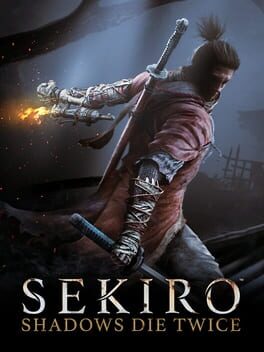
From a market perspective, the difficulty debate could prove pivotal for Phantom Blade Zero’s commercial trajectory. Historically, titles that embraced a steep difficulty curve—such as Dark Souls III and Sekiro: Shadows Die Twice—have enjoyed strong long‑tail sales driven by word‑of‑mouth and streaming exposure, despite initial barriers to entry. Yet the current console ecosystem is dominated by subscription services and a demographic that leans toward more casual experiences, meaning that a segment of potential buyers may be deterred before the game even reaches their radar. The poll’s data suggests a risk of churn, especially if the perceived barrier remains unaddressed in the crucial first month of sales.
Competitor dynamics further complicate the picture. Rival developers have recently launched “hard‑mode” toggles that allow players to switch between difficulty tiers on the fly, a feature popularized by titles like Nioh 2 and Elden Ring’s recent patch. By adopting a similar flexible system, Phantom Blade Zero could not only retain its hardcore base but also attract a wider audience seeking a “hard‑but‑fair” experience without the frustration of permanent setbacks. Moreover, the console manufacturers—particularly Sony and Microsoft—have been vocal about supporting games that foster community engagement, and a well‑balanced difficulty system could translate into higher concurrent player counts, boosting platform metrics that are increasingly important in licensing negotiations.
XPLog Opinion
At XPLog UK we view Phantom Blade Zero’s difficulty controversy as a litmus test for the evolving definition of “hardcore” in the 2020s. While we applaud the developers for daring to craft a game that demands skill and persistence, we also believe that true longevity comes from offering players agency over their challenge. A nuanced difficulty architecture—one that respects the traditions of the Soulslike lineage while providing sensible entry points—will not only safeguard sales but also cement the title’s reputation as a benchmark for future action‑RPG design. In short, the studio’s willingness to iterate based on community feedback could turn what is now a polarizing issue into a competitive advantage.
Final Thoughts
As Phantom Blade Zero moves beyond its launch window, the next few months will be decisive. Upcoming patches that introduce adaptive difficulty options, coupled with potential post‑launch content, will likely reshape the community’s sentiment and, by extension, the game’s market performance. Players and analysts alike should keep an eye on the developer’s roadmap announcements slated for the upcoming Game Developers Conference, where further clarity on balancing philosophy is expected. Whether the title ultimately becomes a cult classic for its unforgiving nature or a mainstream success thanks to strategic adjustments, its difficulty debate will remain a reference point for how the industry negotiates the fine line between challenge and accessibility.