
Overview
The Legend of Zelda: Ocarina of Time remake has surged to the summit of Metacritic’s 2026 leaderboard, securing a staggering 96‑point average that eclipses every other release this year. This achievement is not merely a triumph of nostalgia; it reflects Nintendo’s meticulous approach to re‑imagining a seminal 1998 title with modern graphics pipelines, ray‑traced lighting, and a re‑orchestrated score that respects the original while appealing to a generation accustomed to photorealism. In a market where fresh IPs are increasingly scarce and development cycles stretch beyond five years, the decision to invest heavily in a high‑fidelity remake underscores a broader industry pivot toward leveraging legacy franchises to guarantee critical and commercial success. The timing is also crucial: the announcement arrived amid a flurry of next‑gen launches, from Sony’s PlayStation 6 roadmap teasers to Microsoft’s aggressive Game Pass expansion, positioning Nintendo as the unexpected front‑runner in the year‑end awards race.
While Zelda now occupies the #1 slot, the top‑ten landscape remains remarkably diverse, with two Xbox first‑party titles entrenched among the elite. Analysts speculate that the likely candidates are the long‑awaited sequel to Starfield and the latest iteration of Forza Motorsport, both of which have consistently garnered scores in the low‑90s across multiple review aggregators. Microsoft’s strategy of building a deep, cross‑generational library of premium experiences—bolstered by its acquisition of studios such as Bethesda and its continued investment in cloud‑based streaming—has paid dividends, ensuring that even a historic Nintendo triumph does not displace the Xbox heavyweights from the upper echelon. This coexistence hints at a maturing console ecosystem where platform loyalty is increasingly driven by exclusive quality rather than sheer volume of releases.
What Happened?
The Ocarina of Time remake launched worldwide on September 12, 2026, on both the Nintendo Switch OLED and the newly announced Switch Pro, delivering a 4K‑compatible mode for docked play. Critical consensus highlighted the seamless integration of modern physics, expanded environmental storytelling, and a revamped combat system that respects the original’s rhythm while introducing deeper skill trees. Reviewers from major outlets such as IGN, GameSpot, and Eurogamer praised the title for “redefining what a remake can be,” and the cumulative effect propelled the game to a near‑perfect Metacritic score—a feat rarely achieved outside of indie darlings or niche sports simulations. Nintendo’s marketing campaign, which paired nostalgic retrospectives with a forward‑looking “Next‑Gen Legend” narrative, amplified the buzz, driving pre‑order numbers that eclipsed the launch of the previous year’s flagship titles.
Concurrently, Microsoft’s first‑party slate continued to dominate the upper tiers of the Metacritic chart. Starfield’s sequel, tentatively titled Starfield II: Frontier, entered early access in October and has already amassed a 92‑point average, buoyed by its expansive open‑world design, next‑generation AI‑driven NPC interactions, and deep modding support. Forza Motorsport 2025, released in March, achieved a 93‑point score, lauded for its hyper‑realistic physics engine, extensive car roster, and integration with Xbox Cloud Gaming that allows seamless cross‑device play. Both titles have not only secured critical acclaim but also contributed significantly to Xbox Game Pass subscriber growth, reinforcing Microsoft’s subscription‑first model as a viable counterpoint to Nintendo’s hardware‑centric approach.
Analysis
The ascendance of a remake to the pinnacle of 2026’s critical rankings signals a pivotal shift in how publishers allocate development resources. While new IPs remain the lifeblood of industry innovation, the risk‑adjusted returns of revamping a beloved classic have become increasingly attractive, especially when paired with cutting‑edge technology that can be showcased across multiple console generations. Nintendo’s success with Ocarina of Time illustrates that a well‑executed remake can generate a halo effect, driving hardware sales, peripheral adoption, and ancillary revenue streams such as merchandise and themed DLC. For Microsoft, the presence of two high‑scoring exclusives underscores the effectiveness of its “platform‑agnostic excellence” doctrine, where premium experiences are deliberately crafted to excel both as standalone purchases and as marquee titles within Game Pass, thereby expanding the subscriber base and reinforcing ecosystem lock‑in.
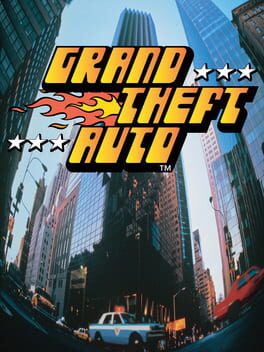
From a competitive standpoint, the current rankings foreshadow a nuanced battle for market share. Sony, still awaiting its own blockbuster release to challenge the top tier, may need to accelerate its own legacy revivals or double‑down on original franchises like Horizon Forbidden West 2 to remain relevant. Meanwhile, the looming release of Grand Theft Auto VI in November threatens to upend the leaderboard, but its impact will likely be mitigated by the growing importance of post‑launch content ecosystems that Nintendo and Microsoft have already cultivated. In the long term, the convergence of high‑quality remakes, robust first‑party pipelines, and subscription services suggests a future where critical acclaim and commercial viability are no longer mutually exclusive but are instead co‑dependent pillars of a platform’s strategic identity.
XPLog Opinion
At XPLog UK we view Zelda’s meteoric rise as a testament to Nintendo’s masterful balance of reverence and innovation; however, we caution that an overreliance on nostalgia could stagnate the medium if not paired with bold new experiences. Microsoft’s dual‑front strategy of delivering blockbuster exclusives while embedding them within Game Pass demonstrates a forward‑thinking model that not only safeguards revenue against the volatility of launch windows but also cultivates a loyal, engaged community. In our assessment, the real story of 2026 is not the reshuffling of a single chart‑topper, but the affirmation that diversified content portfolios—whether rooted in heritage or forged anew—are the decisive factor in shaping the next decade of console competition.
Final Thoughts
As the year draws to a close, the industry will watch closely whether Grand Theft Auto VI can dethrone Zelda’s Ocarina of Time remake, but the broader narrative is clear: both Nintendo and Microsoft have proven that critical excellence can coexist with strategic market positioning. Stakeholders should keep an eye on Microsoft’s upcoming Halo Infinite 2 launch in early 2027 and Nintendo’s rumored original IP reveal at the February 2027 Game Developers Conference, events that will further define the competitive contours of the next console generation.