
Overview
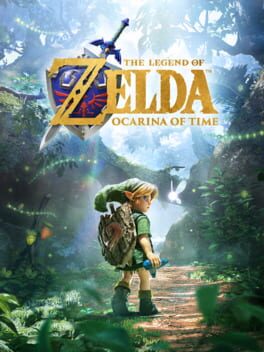
In the neon‑lit arteries of Akihabara, where arcade cabinets clang in perpetual rhythm and the scent of freshly printed manga mingles with the sweet tang of confectionery, Nintendo is orchestrating a cultural convergence that extends far beyond the screen. The release window for the long‑awaited sequel to The Legend of Zelda: Ocarina of Time has become a catalyst for a sprawling merchandising campaign that leverages Japan’s uniquely fervent collector mindset, turning even a modest £40 indulgence in specialty chocolate into a gateway for exclusive, high‑value Zelda paraphernalia.
This phenomenon is not an isolated flash of novelty; it is the latest chapter in a decades‑long narrative where Japanese pop‑culture retail ecosystems have honed the art of limited‑edition drops, surprise bundles, and experiential purchasing. From the early days of the Famicom’s tie‑in toys to the modern era of amiibo and premium collector’s editions, Nintendo has consistently tapped into a consumer base that prizes rarity and narrative immersion. The current wave, however, is amplified by a globalized supply chain, social‑media‑driven hype cycles, and a palpable sense that the next Zelda title will be a defining moment for the franchise’s next generation.
What Happened?
During a recent foray into a boutique chocolate shop in Tokyo’s Shibuya district, a visitor reported handing over roughly £40 for an assortment of artisanal Japanese sweets, only to discover that the packaging concealed a set of officially licensed Zelda merchandise—a limited‑run enamel pin, a stylised map of Hyrule, and a replica of the Ocarina of Time itself. The shop, part of a chain that frequently collaborates with major game publishers, used the confectionery as a clever conduit for surprise merch drops, effectively turning an everyday purchase into a collector’s treasure hunt.
Behind the scenes, Nintendo’s regional marketing division coordinated the initiative as part of a broader “Taste of Hyrule” campaign, synchronising the merch release with the imminent launch of the new Zelda title in Japan. By embedding the collectibles within a consumable product, the company not only drives foot traffic to partner retailers but also creates a narrative hook that encourages fans to share unboxing experiences across platforms like Twitter and TikTok, further amplifying organic reach without the overhead of traditional advertising.
Analysis
The strategy underscores Nintendo’s acute awareness of the shifting economics of fandom, where scarcity and social proof have become as valuable as the games themselves. By leveraging a low‑cost consumable to distribute high‑margin collectibles, Nintendo sidesteps the price elasticity that typically hampers pure merchandise sales, while simultaneously reinforcing brand loyalty through the emotional payoff of unexpected rewards. This approach also positions the company advantageously against rivals such as Sony and Microsoft, whose own merch ecosystems have historically leaned on larger, less frequent releases.
From a supply‑chain perspective, the integration of confectionery partners introduces new logistical variables, including shelf‑life management and regional regulatory compliance. However, Nintendo’s long‑standing relationships with Japanese manufacturers mitigate many of these risks, allowing for rapid iteration and localized production runs that can be scaled up or down based on real‑time demand data harvested from social media sentiment analysis. In the longer term, this hybrid model could serve as a template for other IPs seeking to blend experiential retail with tangible collectibles, potentially reshaping how publishers monetize ancillary product lines.
XPLog Opinion
At XPLog, we view Nintendo’s confection‑linked merch drop as a masterstroke of modern fan‑engagement engineering: it transforms a routine consumer transaction into a moment of brand‑centric excitement, while simultaneously feeding the ever‑hungry collector market that fuels secondary‑market activity and sustained buzz. The gamble, however, lies in maintaining the delicate balance between genuine surprise and perceived gimmickry; over‑saturation could erode the mystique that makes limited drops feel special, a risk Nintendo must navigate with measured cadence.
Final Thoughts
As the countdown to the new Zelda launch ticks inexorably toward its Japanese debut, the ripple effects of this chocolate‑wrapped merch experiment will be closely watched by analysts and fans alike. Should the initiative translate into measurable spikes in both game pre‑orders and ancillary revenue, we can expect Nintendo to double‑down on similar cross‑category collaborations worldwide, potentially setting a new standard for how narrative franchises monetize their universes beyond the console. Keep an eye on the official release calendar for the next wave of “Taste of Hyrule” drops, slated for rollout in Europe and North America later this winter.