
Overview
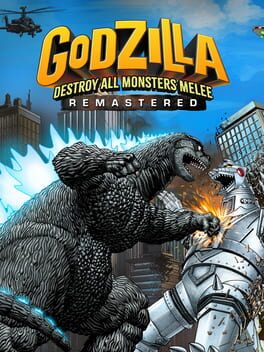
When Bandai Namco announced the arrival of Godzilla: Destroy All Monsters Melee on the PlayStation 5, the news resonated far beyond the niche of kaiju enthusiasts. The original 1998 title, a launch title for the Nintendo 64, had carved a unique niche as the only true monster‑versus‑monster arena brawler of its generation, pairing the iconic roar of the King of the Monsters with a surprisingly deep combat system that rewarded positional awareness and timing. In the intervening quarter‑century the industry has seen a tidal wave of retro‑focused releases, from full‑scale remasters of classic RPGs to the resurgence of pixel‑art platformers, and the Godzilla revival fits neatly into a broader market trend where publishers mine their back‑catalogues to fill the ever‑hungry appetite of a player base that craves both familiarity and technical polish.
Beyond nostalgia, the timing of this launch is emblematic of Sony’s strategic push to differentiate the PS5 ecosystem through exclusive, heritage‑driven titles that can leverage the console’s hardware upgrades while appealing to older gamers who grew up with the original. The PlayStation brand has long cultivated a reputation for marrying cutting‑edge performance with curated libraries, and a PS5‑only remaster of a title that never received an official high‑definition upgrade offers a compelling case study in how legacy IP can be repurposed to reinforce platform loyalty. Moreover, the kaiju genre itself has experienced a renaissance in mainstream media, with Hollywood blockbusters and streaming series re‑introducing Godzilla and his monstrous peers to a new generation, creating a synergistic cross‑media environment that amplifies the relevance of a digital re‑release.
What Happened?
The remastered version arrives as a digital‑only offering on the PlayStation Store, boasting a native 4K resolution mode, a locked 60 fps performance target, and an optional “Performance” mode that scales back visual fidelity to guarantee fluidity on the base PS5 model. Apart from the visual overhaul, developers have preserved the original roster—Godzilla, Mothra, Rodan, Mechagodzilla, and a handful of fan‑favorite monsters—while subtly refining hit‑box detection and input latency to meet contemporary expectations. The game also introduces a revamped online matchmaking system, replacing the now‑defunct peer‑to‑peer infrastructure of the original with dedicated servers that promise more stable lobbies and cross‑region play, a move that acknowledges the modern multiplayer landscape’s demand for seamless connectivity.
In a brief statement, Bandai Namco’s senior producer highlighted that the core gameplay loop—strategic arena positioning, power‑up management, and the iconic “kaiju smash” finishers—remains untouched, emphasizing that the remaster is intended as a “time capsule” rather than a ground‑up redesign. The announcement also hinted at future post‑launch support, including seasonal arena skins and a potential DLC that could introduce newer monsters from recent film entries such as Kong: Skull Island, positioning the title as a living service rather than a one‑off nostalgia cash‑in. This approach reflects a broader industry shift where even legacy titles are being treated as platforms for ongoing content, extending their commercial lifespan and keeping community engagement alive.
Analysis
From a market perspective, the Godzilla: Destroy All Monsters Melee remaster serves as a low‑risk, high‑reward proposition for Bandai Namco. Development costs for a remaster are typically a fraction of a new IP, especially when the underlying engine and asset pipeline can be reused with modest enhancements. By leveraging the PS5’s hardware capabilities—namely its SSD for near‑instant loading and its Tempest 3D AudioTech for immersive monster roars—the publisher can deliver a noticeably upgraded experience without the need for a full rebuild. This efficiency not only improves profit margins but also frees up internal resources to focus on upcoming flagship projects such as the next entries in the Tekken and Dark Souls franchises.
Competitively, the title pits itself against a crowded field of arena fighters and party games that have migrated to the next‑gen consoles, including titles like Super Smash Bros. Ultimate on the Switch and the upcoming Mortal Kombat 1 on multiple platforms. While Godzilla’s niche appeal may not threaten these juggernauts, the unique kaiju theme offers a differentiating factor that could attract players seeking a fresh aesthetic within the brawler genre. Moreover, the decision to anchor the release on PlayStation 5 aligns with Sony’s broader ecosystem strategy: encouraging owners of the console’s higher‑end models to justify the premium price through exclusive, nostalgia‑laden content, while simultaneously bolstering the platform’s library of multiplayer‑ready titles that can drive sustained online activity.
XPLog Opinion
At XPLog UK we view the Godzilla: Destroy All Monsters Melee Remastered as a savvy blend of heritage reverence and forward‑looking service design—a template that could become the industry’s gold standard for reviving dormant franchises. The careful balance of preserving the original’s soul while sprinkling in modern quality‑of‑life upgrades demonstrates a respect for the veteran audience that many publishers overlook in pursuit of flashy overhauls. If Bandai Namco follows through on the hinted DLC pipeline, the title could evolve into a hub for kaiju fanatics, fostering a community that not only relives classic battles but also anticipates new monster match‑ups, thereby extending the product’s relevance well beyond the typical remaster window.
Final Thoughts
In sum, the PS5 remaster of Godzilla: Destroy All Monsters Melee is more than a nostalgic curiosity; it is a strategic maneuver that leverages a beloved IP to reinforce Sony’s ecosystem, test low‑cost content pipelines, and re‑ignite a genre that has been largely dormant for decades. Players can expect the official launch on 12 November 2026, with the first wave of post‑launch content slated for early 2027, making it a title to watch both for its immediate fun factor and its longer‑term implications for how legacy games are repurposed in the age of next‑gen consoles.