
Overview
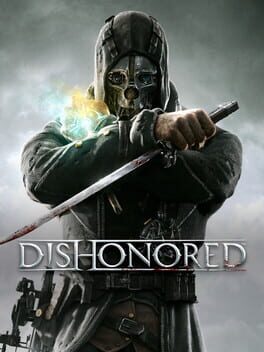
Arkane Studios, the Paris‑based auteur behind the critically acclaimed Dishonored franchise and the genre‑defining Prey, has found itself at the centre of a high‑stakes corporate tug‑of‑war that could reshape the mid‑tier developer landscape. After Microsoft’s abrupt decision last year to unwind its pending acquisition of the studio—citing regulatory concerns and a strategic pivot toward first‑party exclusives—Arkane entered a period of uncertainty, with its staff and ongoing projects left in a precarious limbo. The sudden vacuum has ignited a flurry of interest from several heavyweight publishers, each keen to secure Arkane’s unique blend of immersive simulation, narrative depth, and technical prowess, qualities that have historically translated into both critical laurels and robust sales across PC and console ecosystems.
In the broader context, the gaming market is witnessing a consolidation wave accelerated by the pandemic‑driven surge in revenue and the looming generational shift to next‑gen hardware. Companies such as Ubisoft, known for its global reach and a portfolio that straddles AAA and live‑service titles, are actively scouting for studios that can inject fresh IP potential while bolstering existing franchises. Simultaneously, private equity‑backed entities like Embracer Group have been on a buying spree, leveraging low‑interest capital to amass a diversified studio network. The Arkane saga therefore sits at the intersection of strategic expansion, regulatory scrutiny, and the ever‑present quest for creative talent that can deliver experiences resonating with core gamers.
What Happened?
According to a recent industry report, Ubisoft has emerged as the most vocal contender, submitting a formal proposal to acquire Arkane Studios for an undisclosed sum that is believed to be in the high‑hundreds of millions of dollars. Ubisoft’s interest is not merely opportunistic; senior executives have hinted that Arkane’s expertise in level design and emergent gameplay could complement the publisher’s own ambitions to rejuvenate the Assassin’s Creed series and expand its foray into immersive, player‑driven narratives. The proposal reportedly includes assurances of preserving Arkane’s creative autonomy, a factor that has become a bargaining chip in recent studio acquisitions where developers fear being subsumed into larger corporate pipelines.
In parallel, at least two additional suitors—rumoured to be Embracer Group and a strategic investment arm of a Japanese console manufacturer—have signaled their willingness to enter the bidding arena. Sources close to the negotiations suggest that these offers differ markedly in structure: while Embracer is expected to present a cash‑heavy, debt‑leveraged deal aimed at integrating Arkane into its sprawling portfolio, the Japanese consortium may offer a hybrid equity‑plus‑publishing arrangement designed to secure exclusive titles for its next‑generation hardware. Arkane’s leadership, still reeling from the Xbox episode, is said to be weighing these options against the studio’s long‑term vision, employee welfare, and the desire to retain the sandbox‑style design philosophy that defines its brand.
Analysis
The potential acquisition of Arkane by Ubisoft could signal a strategic shift for the French publisher, moving it further away from its traditional reliance on in‑house franchises toward a model that leverages external creative engines. By folding Arkane’s talent pool into its ecosystem, Ubisoft would gain immediate access to a proven pipeline for narrative‑rich, systems‑driven games, potentially accelerating the development of new IPs that could compete directly with Bethesda’s open‑world offerings. Moreover, the deal would provide Ubisoft with a foothold in the burgeoning “immersive sim” niche, a segment that has seen renewed consumer appetite following the success of titles like Deathloop and Returnal, thereby diversifying its revenue streams beyond the seasonal live‑service model.
Conversely, if an investment group such as Embracer were to secure Arkane, the implications could be more complex. Embracer’s aggressive acquisition strategy has occasionally resulted in resource dilution, where studios are stretched across multiple publishing contracts and forced to prioritize short‑term financial targets over creative ambition. This scenario could jeopardise Arkane’s hallmark of meticulous world‑building and risk‑reward mechanics, potentially alienating its dedicated fanbase. Additionally, the entry of a console‑focused bidder could reshape platform exclusivity dynamics, nudging Arkane’s future releases toward a single ecosystem and thereby influencing market share calculations for PlayStation, Xbox, and emerging cloud platforms.
XPLog Opinion
From XPLog’s perspective, the most compelling outcome would be a partnership that preserves Arkane’s creative independence while granting it the financial muscle to expand its ambitions—an arrangement that Ubisoft appears best positioned to deliver. The synergy between Ubisoft’s global distribution network and Arkane’s design DNA could catalyse a new generation of immersive sims that satisfy both the critical palate of core gamers and the commercial demands of a post‑pandemic market. However, the industry must remain vigilant; any acquisition that compromises the studio’s autonomy risks eroding the very qualities that have made Arkane a benchmark for innovative gameplay.
Final Thoughts
As the bidding war intensifies, the coming weeks will likely reveal which entity can align financial incentives with Arkane’s artistic ethos, a decision that will reverberate across the console wars and the broader studio‑acquisition landscape. Stakeholders should keep an eye on official statements slated for the next quarter, as well as any regulatory filings that could dictate the final shape of the deal. Whatever the outcome, Arkane’s next chapter will serve as a bellwether for how major publishers balance scale with creative integrity in an industry that continues to reward bold, player‑centric experiences.