
Overview
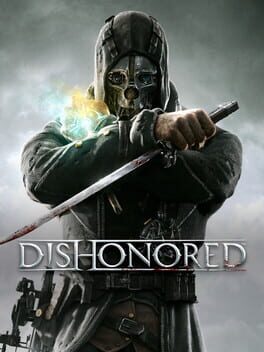
Arkane Studios, the creative engine behind the critically lauded Dishonored series and the recent hit Deathloop, has long been a poster child for narrative‑driven, systems‑heavy design in the Western AAA space. Since its founding in 1999 and subsequent acquisition by Bethesda’s parent ZeniMax in 2010, Arkane has cultivated a reputation for blending immersive sim mechanics with auteur storytelling, a niche that has become increasingly valuable as publishers hunt for differentiated IPs that can anchor long‑term service models. The backdrop to the current drama is Microsoft’s aggressive expansion of its first‑party portfolio following the Xbox Game Pass revolution; the Redmond giant has spent the past few years snapping up studios that can feed both exclusive content and a steady pipeline for its subscription ecosystem.
Now, as Microsoft signals an intent to off‑load Arkane—whether to streamline its internal studio roster or to extract maximum value from a high‑profile asset—the French developer finds itself at the centre of a rare multi‑party acquisition contest. Ubisoft, a European powerhouse with a storied history of nurturing sandbox and action‑adventure titles, has entered the fray alongside at least two other unnamed suitors, while Microsoft also entertains the possibility of a management‑led buyout. This confluence of interests reflects broader market dynamics: mid‑size studios with proven IP are becoming premium commodities, and the decision to keep, sell, or spin‑out such assets can reshape the competitive balance across console generations.
What Happened?
According to Bloomberg’s investigative journalist Jason Schreier, the bidding process for Arkane has attracted a minimum of three distinct proposals, with Ubisoft officially confirmed as one of the contenders. The French publisher’s interest appears to be driven by a desire to reinforce its action‑adventure lineup, potentially integrating Arkane’s expertise in emergent gameplay with Ubisoft’s own open‑world franchises like Assassin’s Creed and The Division. While the exact financial terms remain undisclosed, insiders suggest that Ubisoft is prepared to offer a mix of cash and equity, leveraging its strong balance sheet and recent success with live‑service titles to make a compelling case.
Microsoft, which acquired ZeniMax Media—including Arkane—in 2021 for $7.5 billion, has not yet reached a definitive decision. Sources close to Xbox indicate that the Redmond giant is weighing the strategic merits of retaining Arkane as a pillar for Game Pass exclusivity against the opportunity to recoup capital for other high‑priority acquisitions, such as studios focused on cloud‑native or AI‑driven experiences. Additionally, there is a parallel track where Xbox is reportedly considering a management buyout, a move that could preserve Arkane’s creative autonomy while still delivering a modest return to Microsoft shareholders. The timeline is tight: a final decision is expected within the next few weeks, with any resulting transaction slated for closure before the end of the fiscal year.
Analysis
The competitive landscape surrounding Arkane’s fate underscores a pivotal shift in how large platform holders evaluate studio portfolios. Microsoft’s potential divestiture signals a maturation of its acquisition strategy, moving from a blanket “buy everything” approach to a more surgical focus on studios that align tightly with its long‑term vision for Game Pass and cross‑platform play. Should Ubisoft secure Arkane, the combined entity would gain a formidable edge in the immersive‑sim niche, potentially delivering a new flagship that could rival the likes of Bethesda’s own titles on both PlayStation and Xbox ecosystems. This could also force Sony to double down on its own studio acquisitions, intensifying the ongoing “studio wars” that have defined the console market since the mid‑2010s.
From a technical perspective, integrating Arkane’s proprietary Void Engine and its iterative design philosophy into Ubisoft’s existing development pipelines presents both opportunities and challenges. Ubisoft’s recent forays into shared‑engine architecture, exemplified by the AnvilNext 2.0 framework, could accelerate cross‑title feature sharing, yet cultural differences between Arkane’s auteur‑driven teams and Ubisoft’s more modular, production‑line approach risk friction. Moreover, the player community—particularly fans of Dishonored’s intricate level design and narrative depth—will scrutinise any shift in creative direction, making post‑acquisition stewardship a delicate balancing act that could influence subscription churn rates and brand loyalty across both platforms.
XPLog Opinion
At XPLog UK, we view Ubisoft’s bid as a calculated gamble that could pay off handsomely if the publisher manages to preserve Arkane’s creative DNA while injecting its own global distribution muscle. The synergy potential is undeniable: Ubisoft’s expertise in live‑service economies could rejuvenate Arkane’s single‑player heavy catalog, turning beloved franchises into evergreen, episodic experiences that feed Game Pass’s retention metrics. However, the real test will be whether Ubisoft can resist the temptation to over‑engineer Arkane’s niche strengths into a one‑size‑fits‑all formula—a mistake that has plagued many large‑scale consolidations in the past.
Final Thoughts
Regardless of whether Arkane ends up under Ubisoft’s banner, remains within Microsoft’s ecosystem, or goes independent under its own leadership, the next few weeks will be a barometer for how the industry values creative studios versus raw IP assets. Players should keep an eye on official statements expected at the upcoming Game Developers Conference and the fiscal quarter earnings calls from both Microsoft and Ubisoft, as those disclosures will likely reveal the final direction of this high‑stakes acquisition saga and set the tone for future studio negotiations across the console battleground.