
Overview
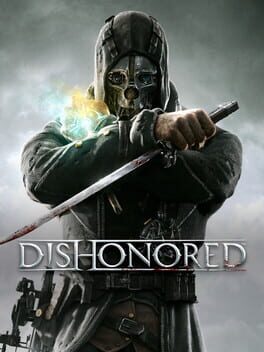
Since its founding in 1999, Arkane Studios has cultivated a reputation for daring, narrative‑driven experiences that blend systemic gameplay with atmospheric storytelling. Titles such as Dishonored, Prey, and the forthcoming Redfall have cemented the studio as a pillar of the immersive sim genre, a niche that has repeatedly proven commercially resilient despite broader market swings. Over the past decade, Microsoft’s acquisition of Bethesda and the subsequent formation of Xbox Game Studios Europe have signalled a clear intent to own the creative engines behind such auteur‑driven projects, positioning the console ecosystem as a haven for high‑risk, high‑reward developers.
In the current climate, where console manufacturers are locked in an arms race of exclusive content, the fate of Arkane has become a microcosm of the broader consolidation wave that has reshaped the industry. Ubisoft’s historic flirtation with acquiring studios that excel at narrative depth, alongside the aggressive bidding tactics of emerging platform‑agnostic publishers, illustrates a market hungry for intellectual property that can deliver both critical acclaim and sustained subscriber engagement. The backdrop of Xbox’s ongoing push to bolster its Game Pass catalogue adds another layer of strategic urgency, as each studio acquisition directly translates into a pipeline of fresh, lock‑step content for the subscription model.
What Happened?
According to a Bloomberg report cited by PureXbox, multiple entities have now tabled formal offers for Arkane Studios, with Ubisoft emerging as one of the most vocal bidders. The report indicates that at least two other undisclosed parties have also entered the fray, each presenting distinct valuation models that reflect the studio’s prized IP portfolio and its seasoned development team. Despite the flurry of interest, Xbox has yet to finalise any agreement, maintaining a cautious stance while continuing internal deliberations about the studio’s strategic fit within the broader Microsoft ecosystem.
Complicating the picture, sources suggest that Microsoft has also weighed the possibility of a management‑led buyout, a route that could preserve Arkane’s creative autonomy while still aligning with Microsoft’s long‑term vision of a diversified publishing landscape. This mirrors previous instances where Microsoft opted to retain a degree of influence without full ownership, such as the partial stake retained in Obsidian Entertainment. The lack of a definitive decision underscores the delicate balance Microsoft must strike between expanding its exclusive slate and avoiding overextension of its studio portfolio.
Analysis
The competitive ramifications of Arkane’s potential sale are profound. Should Ubisoft secure the studio, the publisher would gain a formidable foothold in the immersive sim arena, bolstering its already extensive catalogue of narrative‑centric franchises like Assassin’s Creed and Far Cry. This could accelerate Ubisoft’s push to differentiate its own subscription service, Ubisoft+. Conversely, a successful acquisition by Microsoft would reinforce Xbox’s commitment to delivering premium, story‑rich experiences directly to Game Pass subscribers, a strategy that has already yielded measurable subscriber growth in regions where exclusive titles drive platform loyalty.
From a technical and cultural perspective, Arkane’s integration—or lack thereof—poses significant challenges. The studio’s distinctive design philosophy, which hinges on emergent gameplay systems and player agency, thrives under a loosely structured development environment. A forced alignment with a larger corporate hierarchy could risk diluting the experimental ethos that defines its titles. However, access to Microsoft’s cloud infrastructure and cross‑platform tooling could unlock new possibilities for live‑service expansions, procedural content generation, and deeper analytics, potentially redefining how immersive sims evolve post‑launch.
XPLog Opinion
From XPLog’s standpoint, the prudent path for Microsoft is to retain Arkane within the Xbox family, but to grant it a semi‑autonomous operating model that safeguards its creative latitude. The studio’s track record of delivering critically lauded, genre‑defining experiences is too valuable to hand over to a competitor, especially as the subscription wars intensify and players demand fresh, high‑quality exclusives that justify recurring fees. A management buyout, while appealing for preserving independence, would leave Xbox without a key pillar in its exclusive lineup, potentially ceding ground to rivals who are equally eager to capitalize on Arkane’s unique talent pool.
Final Thoughts
As the negotiation window narrows, the gaming community should keep a vigilant eye on official statements slated for the upcoming earnings call and the anticipated Xbox/Bethesda showcase later this year. Whether Arkane remains under Microsoft’s umbrella, transitions to Ubisoft, or embarks on an independent journey, the outcome will reverberate across console ecosystems, subscription services, and the creative direction of immersive simulations for years to come.