
Overview
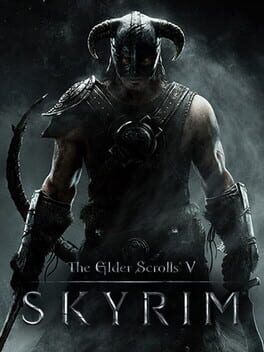
Since the release of The Elder Scrolls V: Skyrim in 2011, Bethesda Game Studios has cultivated a reputation for sprawling, open‑world role‑playing experiences that redefine the boundaries of player agency. The studio’s cadence of delivering a new mainline entry roughly every five years has become a cultural touchstone, with each iteration raising expectations for technical ambition, narrative depth, and post‑launch longevity. In the intervening years, the industry has undergone seismic change: the rise of next‑gen consoles, the consolidation of major publishers under tech giants, and the emergence of live‑service ecosystems have all forced developers to reconsider how they allocate resources and schedule releases.
Against this backdrop, the recent re‑reveal of The Elder Scrolls VI: Sentinel arrived as a high‑definition teaser that seemed poised to accelerate the franchise’s return. The trailer’s sweeping vistas, meticulously rendered architecture, and a haunting vocal hook ignited a firestorm of speculation across forums, Discord channels, and investor briefings. Yet the excitement was quickly tempered by a stark reminder from veteran journalist Jason Schreier, who confirmed via social media that the title remains “more than two years away.” This juxtaposition of tantalising visual proof and a sobering timeline forces the community to confront a new reality: the next Elder Scrolls will not simply arrive in the next console cycle, but will instead navigate an evolving market where player patience is increasingly tested.
What Happened?
The Sentinel trailer, unveiled during Bethesda’s annual showcase, was not a full gameplay reveal but a curated montage designed to showcase the game’s artistic direction and environmental fidelity. The sequence featured a sun‑bleached desert settlement, a towering citadel silhouetted against a crimson sky, and a glimpse of a new combat mechanic that blends traditional melee with arcane gestures. Accompanying the footage, Bethesda’s creative director, Todd Howard, offered a brief verbal promise that the studio is “committed to delivering an experience that feels like a true evolution of the series.” However, the promotional material stopped short of providing concrete milestones, leaving investors and fans to fill the void with speculation.
Shortly after the showcase, Jason Schreier, renowned for his investigative reporting on game development pipelines, posted a succinct update on X (formerly Twitter): “Sorry to say, The Elder Scrolls VI: Sentinel is still more than two years away.” While the statement lacked granular detail, it implicitly referenced Bethesda’s internal development cadence and the broader challenges of scaling a next‑gen RPG to meet modern expectations. The announcement also coincided with Microsoft’s ongoing integration of Bethesda into its Xbox Game Studios umbrella, a process that has introduced both resource synergies and organizational complexities. As Microsoft pushes for cross‑platform parity and cloud‑first initiatives, Bethesda must now align its ambitious design goals with the technical constraints and strategic priorities of its new parent.
Analysis
From a market perspective, the extended timeline could prove advantageous for Bethesda if leveraged correctly. The premium RPG segment is currently dominated by titles such as Cyberpunk 2077 (post‑patch resurgence), Starfield, and the ever‑expanding Dragon Age franchise, all of which have demonstrated that a well‑timed sequel can capture a substantial share of the $70‑plus console market. By positioning Sentinel beyond the immediate 2025 launch window, Bethesda can sidestep direct competition with the anticipated releases of other next‑gen heavyweights, allowing the studio to capitalize on a potential lull in high‑profile RPG launches. Moreover, the additional development window offers the opportunity to integrate emerging technologies—such as Xbox Series X|S’s DirectStorage, Xbox Cloud Gaming, and AI‑driven content generation—without the pressure of a rushed ship date.
Technical hurdles remain, however. The ambition to render a living, breathing Tamriel that scales across both high‑end PC rigs and the comparatively modest hardware of the Xbox Series S demands a sophisticated optimization pipeline. Bethesda’s legacy engine, the Creation Engine 2, is still in iterative refinement, and its ability to support massive, seamless world streaming while maintaining stable frame rates is unproven at scale. Additionally, the studio’s historical reliance on a “crunch” culture to meet deadlines has come under scrutiny in the wake of industry-wide labor movements. A longer development horizon may alleviate some of that pressure, but only if management translates the extra time into concrete process improvements rather than simply extending the calendar.
XPLog Opinion
At XPLog UK, we view the two‑plus‑year horizon not as a disappointment but as a strategic recalibration. Bethesda’s brand equity is strong enough to weather a delayed launch, provided the studio uses the interval to deliver a product that feels both familiar and revolutionary. The partnership with Microsoft could finally unlock the resources needed for a truly next‑gen experience—think true ray‑traced lighting, expansive AI‑driven NPC behavior, and seamless cross‑save functionality across console, PC, and cloud. If Bethesda can harness these capabilities while respecting player expectations for narrative depth, Sentinel could redefine the premium RPG formula and cement Bethesda’s place at the apex of immersive storytelling.
Final Thoughts
In sum, the confirmation that The Elder Scrolls VI: Sentinel remains “at least two years away” underscores a pivotal moment for Bethesda, Microsoft, and the broader RPG market. The next major showcase—likely at E3 2025 or the Xbox Games Showcase later that year—will be the first litmus test for whether the studio can translate its lofty vision into a concrete, market‑ready product. Until then, the community should temper hype with patience, keep an eye on Bethesda’s development milestones, and anticipate a title that could reshape the expectations of open‑world role‑playing games for the remainder of the decade.