
Overview
Two decades after the original Gears of War first redefined third‑person shooters with its gritty aesthetic and cover‑based combat, The Coalition has chosen to commemorate the anniversary not with a glossy cinematic showcase but by resurrecting one of the series' most beloved multiplayer experiences: the Guardian Versus mode. This decision reflects a broader industry pattern where publishers lean on nostalgia‑driven live‑service updates to re‑engage lapsed fans while reinforcing the value proposition of their flagship IPs in an increasingly crowded console marketplace. The move also arrives at a pivotal moment for Xbox, which is still consolidating its Game Pass ecosystem and seeking to differentiate its exclusive lineup from PlayStation’s narrative‑heavy offerings.
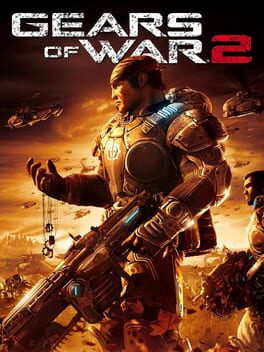
Historically, Guardian has acted as a bridge between the franchise’s single‑player storytelling and its competitive multiplayer ambitions. First introduced in Gears of War 2, the mode distilled the series’ core mechanics—tight cover, tactical positioning, and asymmetric objectives—into a fast‑paced, leader‑focused skirmish that quickly became a staple of LAN parties and early Xbox Live tournaments. Over the years, it has been trimmed, expanded, and occasionally omitted, mirroring the franchise’s oscillation between narrative depth and multiplayer experimentation. By reviving Guardian as part of the E‑Day 20th Anniversary update, The Coalition signals that the mode’s design philosophy still resonates with both veteran players and a new generation discovering the series via subscription services.
What Happened?
The latest patch for Gears of War: E‑Day introduces a polished version of Guardian, branded as "Guardian Classic," which restores the original leader‑death win condition while integrating modern matchmaking improvements, cross‑play support, and a refreshed UI that aligns with the current aesthetic of the live‑service title. Alongside this, a limited‑time Horde Siege mission has been added, offering a cooperative assault on AI‑controlled waves that leverages the same cover‑system expertise that made the series iconic. The Coalition’s development lead, in a recent developer diary, emphasized that the update was built on community feedback collected over the past year, noting that long‑time fans repeatedly cited the loss of Guardian as a gap in the current multiplayer offering.
From a technical standpoint, the team re‑engineered the mode to run on the updated Unreal Engine 5‑based framework powering E‑Day, ensuring that lighting, particle effects, and audio cues meet contemporary standards while preserving the tactile feel of the original gameplay loop. The rollout also includes a series of cosmetic rewards tied to the anniversary, such as retro‑styled armor sets and weapon skins that reference iconic moments from the franchise’s history, further incentivizing both competitive and casual players to dive back into the mode during the celebration window.
Analysis
From a market perspective, the Guardian revival serves multiple strategic purposes. First, it bolsters player retention for Gears of War: E‑Day by injecting fresh, high‑stakes content that encourages repeat play, a crucial metric for live‑service titles whose revenue streams depend on sustained engagement. Second, the update positions Xbox as a platform that respects its legacy while evolving its services, a narrative that can be leveraged in upcoming Game Pass promotional cycles. Competitively, the move re‑opens the door for third‑party tournament organizers to incorporate Guardian into their brackets, potentially revitalizing the franchise’s presence on the esports stage—a space currently dominated by shooters like Call of Duty and Halo.
On the development side, resurrecting a mode that predates the current engine required The Coalition to navigate legacy code constraints, a challenge that mirrors broader industry trends where studios must reconcile nostalgia with modern technical demands. The successful integration demonstrates the studio’s growing proficiency with modular content pipelines, a skill set that could accelerate future post‑launch updates across the Xbox portfolio. Moreover, by coupling Guardian with a limited‑time Horde Siege event, Microsoft signals an intent to blend competitive and cooperative experiences, a hybrid approach that may become a template for other franchises seeking to maximize content value within a single update cycle.
XPLog Opinion
At XPLog UK, we view the Guardian resurgence as a masterstroke of community‑centric design: it acknowledges the franchise’s roots, rewards long‑standing fans, and delivers a compelling hook for newcomers who are increasingly discovering legacy titles through subscription services. The decision underscores The Coalition’s willingness to listen and adapt, a rarity in an era where many studios prioritize brand‑new IPs over polishing existing ecosystems. In the long run, this could set a precedent for how Microsoft leverages its deep catalog to sustain relevance across multiple console generations.
Final Thoughts
As the 20th anniversary window closes, the true test will be whether Guardian can transition from a nostalgic flash‑in‑the‑pan to a permanent fixture in Gears of War’s multiplayer roster. If player adoption remains strong, we can expect The Coalition to iterate further—perhaps introducing seasonal leader rotations or integrated ranking ladders—thereby cementing the mode’s place in the franchise’s evolving competitive landscape. Keep an eye on upcoming Xbox and Game Pass roadmaps for additional live‑service milestones that may build on this momentum, as the next wave of content could shape the direction of third‑person shooters for years to come.