Overview
Sony's PlayStation Plus service has entered its seventh year as a cornerstone of the console ecosystem, and the November 2026 Essential update marks the penultimate refresh of the calendar year. The service, originally launched in 2019 as a merger of PlayStation Plus and PlayStation Now, has continually evolved to balance a rotating catalog of blockbuster titles with a curated selection of indie gems, aiming to retain a broad swathe of the PlayStation install base while fending off fierce competition from Xbox Game Pass, Nvidia GeForce Now and emerging cloud-first platforms. This month’s roster arrives at a moment when Sony is recalibrating its subscription pricing tiers after a modest subscriber dip in Q3 2026, a trend analysts have linked to the growing appeal of cross‑platform play and the rising popularity of subscription bundles that include both game access and streaming media.
The broader market context cannot be ignored: the console war has softened into a multi‑platform reality where hardware sales plateaued in 2025, and publishers increasingly rely on recurring revenue streams. Within this environment, Sony’s Essential tier—positioned as the most affordable entry point—functions as a loss‑leader, enticing new users with a predictable cadence of high‑profile releases. The November drop therefore serves not merely as a content update but as a litmus test for Sony’s ability to sustain engagement through strategic title selection, especially as the company eyes the launch of the PlayStation 6 in early 2028.
What Happened?
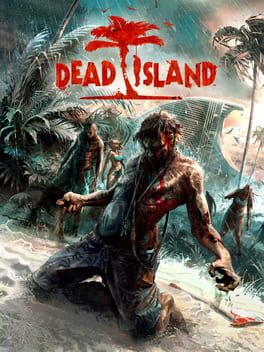
The November 2026 Essential update introduces three fresh titles to the download‑and‑play pool: a freshly remastered version of the survival‑horror classic Dead Island, the critically acclaimed deck‑building roguelike Monster Train, and a yet‑unrevealed indie title that Sony highlighted for its innovative narrative design. Both Dead Island and Monster Train arrive as fully optimized PS5 builds, leveraging the console’s SSD for near‑instant load times and the DualSense’s haptic feedback to deepen immersion—features that were notably absent in their original releases on older hardware. Sony has opened the redemption window until 1 December 2026, creating a narrow but intentional urgency that mirrors the “event‑style” marketing tactics popularized by live‑service titles.
In a brief statement, PlayStation’s senior vice‑president of Studios and Content emphasized that the selection reflects “a blend of legacy franchises that still resonate with longtime fans and fresh experiences that push the boundaries of what a subscription can offer.” The announcement also hinted at a forthcoming expansion of the Essential catalog to include more third‑party collaborations, a move that could signal a shift away from Sony’s historically first‑party‑centric approach. This strategic pivot is underscored by the inclusion of Monster Train, a title developed by a studio with deep roots in the indie sector, suggesting Sony’s intent to court developers who previously found their home on competing subscription services.
Analysis
From a market performance perspective, the inclusion of Dead Island—a franchise that struggled to find a foothold on newer consoles after its 2023 reboot—represents a calculated gamble. By delivering a high‑fidelity remaster, Sony hopes to revive dormant fan interest and extract incremental value from a property that still commands brand recognition. If successful, the move could set a precedent for other legacy IPs to receive similar treatment, thereby enriching the Essential catalog without the overhead of developing brand‑new AAA titles. However, the risk lies in the title’s niche appeal; should player uptake be tepid, Sony may need to reassess the cost‑benefit balance of investing in retro‑fit projects versus securing fresh exclusives.
Meanwhile, Monster Train’s presence signals a broader industry trend where subscription services act as incubators for niche genres. The game’s intricate mechanics and steep learning curve have cultivated a dedicated community, and its integration into Essential offers a low‑friction entry point for players who might otherwise overlook deck‑building roguelikes. This could expand the demographic reach of PlayStation’s subscriber base, nudging casual gamers toward more complex experiences and reinforcing Sony’s reputation as a platform that values diverse gameplay experiences. Competitors like Xbox Game Pass have long leveraged similar strategies, and Sony’s alignment with this model may intensify the subscription arms race, compelling both platforms to secure exclusive content pipelines to differentiate their libraries.
XPLog Opinion
At XPLog UK, we view the November Essential update as a decisive moment in Sony’s subscription narrative: it is less about the individual games and more about the message that Sony is willing to broaden its curation philosophy. By marrying a resurrected franchise with a sophisticated indie title, Sony acknowledges that the future of console ecosystems hinges on variety and surprise, not merely on marquee exclusives. This approach could pay dividends in subscriber retention, especially if the company follows through with a steady cadence of similarly eclectic releases, thereby positioning PlayStation Plus as the go‑to service for gamers who crave both nostalgia and novelty.
Final Thoughts
In sum, the November 2026 PS Plus Essential update serves as a microcosm of Sony’s adaptive strategy in a saturated subscription market—balancing legacy content, indie innovation, and strategic timing to keep the PlayStation brand relevant. As the redemption deadline looms on 1 December, the real test will be player engagement metrics and whether this curated mix can stave off churn ahead of the anticipated PlayStation 6 rollout. Keep an eye on Sony’s Q4 earnings release and the subsequent January Essential update, which will likely reveal whether this eclectic formula is a one‑off experiment or the new cornerstone of PlayStation’s subscription future.

 XPLog
03 Nov 2026
5 min read