
Overview
November 15, 2026 marks not just a birthday but a cultural milestone for Microsoft’s first foray into home entertainment. The original Xbox burst onto the North American market on November 15, 2001, entering a fiercely contested sixth‑generation arena dominated by Sony’s PlayStation 2 and Nintendo’s GameCube. Microsoft’s debut was more than a hardware gamble; it was an ambitious attempt to rewrite the rules of console gaming by leveraging its PC‑centric pedigree, a proprietary DirectX‑based architecture, and an early vision of online connectivity that would later become Xbox Live. The launch’s timing, marketing heft, and the sheer audacity of a software‑first approach reshaped the competitive dynamics of the era, forcing rivals to accelerate their own online strategies and prompting a reevaluation of what a console could offer beyond the living‑room couch.
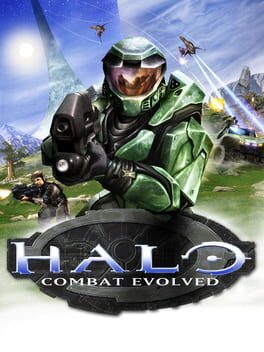
The launch roster comprised twenty titles, a curated mix of high‑octane shooters, arcade racers, and experimental sports titles designed to showcase the new hardware’s horsepower and diverse controller capabilities. Flagship entries such as Halo: Combat Evolved, Fuzion Frenzy, Dead or Alive 3, and Project Gotham Racing quickly became cultural touchstones, while more obscure offerings like Arctic Thunder, Dark Summit, and Mad Dash Racing served as proof‑of‑concept experiments for the console’s graphical and physics engines. Together, these games painted a portrait of Microsoft’s dual‑track strategy: courting hardcore gamers with deep, narrative‑driven experiences while also courting the casual audience through accessible, multiplayer‑friendly titles.
What Happened?
In celebration of the Xbox’s twenty‑five‑year anniversary, XPLog UK has compiled an extensive feature that revisits every North American launch title, drawing from the original PureXbox article that listed the full slate of twenty games. The piece not only enumerates the titles but also contextualises each within the broader narrative of early‑2000s gaming, highlighting how titles like Halo set a new standard for first‑person shooters on consoles and how Project Gotham Racing leveraged the Xbox’s superior graphics pipeline to deliver a sense of speed previously unseen on home platforms. The feature also shines a light on the forgotten gems—such as Arctic Thunder, a snow‑bound combat racer that experimented with vehicle physics, and Mad Dash Racing, an over‑the‑top kart racer that hinted at the future of family‑friendly multiplayer.
Beyond mere nostalgia, the article examines the lasting footprints these launch titles have left on the modern Xbox ecosystem. Several of the original games have been resurrected via backward compatibility on the Series X|S, while flagship franchises like Halo have spawned multi‑generation trilogies, live service iterations, and even television adaptations. Meanwhile, the racing lineage pioneered by Project Gotham Racing evolved into the critically acclaimed Forza Motorsport series, demonstrating how an initial launch title can seed an entire sub‑genre for a platform. The feature also notes that many of the lesser‑known titles have not received official re‑releases, prompting a conversation about preservation, digital storefront curation, and the role of community‑driven emulation in keeping these pieces of history accessible.
Analysis
The original launch lineup was instrumental in establishing the Xbox as a viable third pillar in the console market. By delivering a high‑profile exclusive—Halo—Microsoft secured a franchise that would become synonymous with the brand, driving hardware sales that peaked at 24 million units worldwide by the end of the console’s lifecycle. Simultaneously, the breadth of the launch library signalled to developers that Microsoft was willing to invest in a diverse portfolio, encouraging third‑party studios to experiment with the DirectX‑based development kit. This strategy paid dividends, as the Xbox quickly cultivated a reputation for technical superiority, which in turn attracted titles that demanded robust processing power, such as Dead or Alive 3 with its cutting‑edge character models and fluid animation.
From a technical perspective, the launch titles also exposed early challenges that would shape Microsoft’s long‑term roadmap. The original Xbox’s reliance on an internal hard drive was a novelty that enabled features like saved game persistence and early multiplayer matchmaking, yet it also introduced higher production costs that initially limited the console’s price competitiveness. Moreover, the nascent Xbox Live service, which would not launch until 2002, meant that many of the launch games were constrained to local multiplayer or split‑screen experiences. These limitations forced Microsoft to double‑down on network infrastructure in subsequent hardware revisions, ultimately culminating in the seamless, cloud‑integrated services that define the current Xbox ecosystem.
XPLog Opinion
From XPLog’s standpoint, the 25‑year retrospective underscores a fundamental truth: a console’s launch slate is more than a marketing checklist—it is a blueprint for the platform’s identity. Microsoft’s gamble on a high‑calibre exclusive paired with a varied supporting roster created a dual‑layered appeal that still reverberates in today’s Xbox strategy, where flagship franchises like Halo coexist with a thriving indie ecosystem. The lesson for publishers and developers alike is clear: investing in a strong, differentiated launch can cement brand loyalty, but sustaining relevance requires continuous innovation, backward compatibility, and an unwavering commitment to player‑first experiences.
Final Thoughts
As the Xbox turns twenty‑five, the industry watches not only the celebration of a historic console but also the ongoing dialogue about how legacy content can be leveraged to enrich future generations of gamers. Upcoming events—including the Xbox Games Showcase later this year and the anticipated release of a curated “Launch Classics” collection for Xbox Series X|S—promise to keep these pioneering titles in the public eye, offering both veteran fans and newcomers a chance to experience the origins of a platform that reshaped modern gaming. Keep an eye on Microsoft’s announcements in the coming months; the way they choose to honour, preserve, or reimagine these launch titles will speak volumes about the company’s long‑term vision for the Xbox brand.