
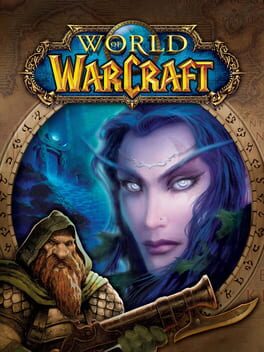
Overview
When Blizzard Entertainment announced its next foray into the massively multiplayer arena, the industry responded with a mixture of anticipation and skepticism, recalling the tumultuous launch of World of Warcraft Classic and the subsequent experiments that followed. The modern MMO market, now dominated by live-service titles that lean heavily on microtransactions and ever‑evolving content pipelines, has left a conspicuous gap for experiences that prioritize handcrafted storytelling, deliberate pacing, and a tactile sense of player agency—qualities that defined the golden age of role‑playing games in the early 2000s.
Into this climate, a veteran player known by the moniker "One World of Warcraft: Forever" has embarked on an ambitious undertaking: a first‑person mod that reimagines Blizzard's upcoming MMO as a retro‑styled fantasy adventure reminiscent of Hexen, Morrowen, and other seminal RPGs. By stripping away the contemporary trappings of third‑person camera rigs, flashy UI overlays, and AI‑generated content, the project aspires to resurrect the deliberate, exploratory feel of early open‑world titles, offering a nostalgic yet fresh lens through which the community can evaluate Blizzard’s design direction.
What Happened?
Earlier this week, the modder released a detailed development diary outlining the core mechanics of the transformation. The plan involves reworking the game’s camera system to a true first‑person perspective, rebuilding animation pipelines to emulate the grainy, frame‑by‑frame aesthetic of pre‑HD titles, and hand‑crafting quest narratives that echo the labyrinthine lore of Morrowind. Crucially, the creator has emphasized that no generative AI tools are being employed; every line of dialogue, every enemy behavior script, and every environmental texture is being manually authored to preserve the organic feel of classic RPG design.
Technical documentation accompanying the announcement reveals that the mod will leverage Blizzard’s own scripting language, with extensive use of the game’s legacy UI framework to replace modern HUD elements with parchment‑styled menus and rune‑etched inventory screens. The developer has also hinted at a modular architecture that could allow other community members to contribute side quests, weapon skins, and even new regions, effectively turning the mod into a collaborative sandbox that mirrors the modding ecosystems of Bethesda’s earlier titles.
Analysis
The emergence of such a high‑fidelity, fan‑driven reinterpretation signals a broader shift in player expectations: while the mainstream market continues to chase ever‑larger player counts and revenue streams, a substantial subset of the core audience remains hungry for experiences that prioritize depth over breadth. From a market perspective, the mod could act as a litmus test for Blizzard’s willingness to accommodate community‑led experimentation, potentially influencing future patches or even inspiring an official retro‑mode release. Moreover, the project underscores the lingering relevance of first‑person RPGs—a genre that, despite being eclipsed by third‑person dominance in recent years, retains a passionate niche that values immersion and precise combat mechanics.
Competitively, the mod positions Blizzard against a landscape where studios like Bethesda and Obsidian have successfully cultivated mod-friendly ecosystems, extending the lifespan of their flagship titles for years beyond the initial launch window. Should the community rally behind One World of Warcraft: Forever’s vision, Blizzard may be compelled to re‑evaluate its traditionally closed development pipeline, perhaps opening up limited modding tools or integrating community‑generated content into future expansions. The technical challenges are non‑trivial, however; re‑architecting a modern MMO’s engine to support a retro first‑person workflow without compromising server stability or network latency demands meticulous engineering and could set a precedent for how legacy aesthetics are married to contemporary infrastructure.
XPLog Opinion
From XPLog’s standpoint, this mod is a bold cultural statement that forces Blizzard to confront the divergent desires of its player base: the casual crowd that thrives on convenience and the hardcore segment that craves the arduous, discovery‑driven journeys of yesteryear. While the project may never replace the official product, its existence is a reminder that the health of an MMO ecosystem is measured not merely by subscriber counts but by the depth of engagement that inspires players to rebuild and reimagine the world they love. If Blizzard can harness this enthusiasm—perhaps by offering sanctioned mod support or by acknowledging the mod’s design philosophies in future updates—it will not only safeguard its legacy but also cement its relevance in an era where community agency increasingly dictates a game's longevity.
Final Thoughts
As the mod enters its alpha testing phase, the industry will be watching closely to see whether this grassroots homage can influence Blizzard’s roadmap or simply remain a cherished side project for a dedicated cadre of fans. Regardless of the outcome, the initiative highlights a persistent yearning for retro authenticity within modern MMOs, a trend that could reshape how publishers balance innovation with reverence for the past. Keep an eye on the mod’s official Discord channel for upcoming milestone dates, and anticipate a potential showcase at the next BlizzCon, where the line between official content and community creation may finally blur.