
Overview
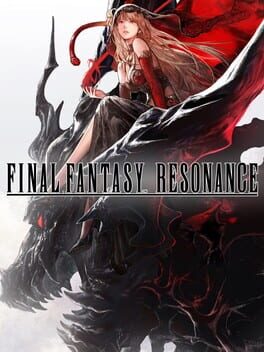
When Square Enix announced the arrival of Final Fantasy Resonance, the gaming community responded with a mixture of nostalgia and cautious optimism. The title, positioned as a love letter to the series' golden era, arrived at a moment when the franchise is grappling with the dual pressures of delivering cutting‑edge AAA spectacles while also courting a resurging audience that craves the turn‑based, story‑driven experiences that defined the early 1990s entries.
Behind the celebratory fan reaction, however, a less visible drama unfolded within the publisher’s corridors. Senior executives, accustomed to steering the brand toward high‑budget, next‑gen console releases, reportedly pushed for a low‑cost port of an underperforming mobile experiment, viewing Resonance as a potential revenue filler rather than a strategic flagship. This clash underscores a broader industry tension: the struggle between short‑term financial engineering and the long‑term health of legacy IPs.
What Happened?
According to insider reports, the producer of Final Fantasy Resonance faced staunch opposition from upper management who advocated for a stripped‑down adaptation of a dormant mobile title, arguing that it would satisfy the market’s appetite for cheap, quick‑to‑market releases. The producer, leveraging a track record of successful console launches, countered by presenting data that highlighted fan demand for a full‑scale, console‑native experience that respects the series’ heritage. After weeks of internal negotiation, the team secured a green light to develop Resonance as a standalone, high‑fidelity title for current‑gen platforms.
Square Enix’s leadership eventually relented, citing the positive buzz generated by early gameplay showcases and the strategic necessity of re‑establishing credibility after a string of mixed‑reception releases. The decision to allocate a respectable budget and to involve veteran developers from the original Final Fantasy lineage signaled a rare moment where creative vision triumphed over pure cost‑cutting instincts, setting a precedent for how legacy franchises might be handled in the future.
Analysis
The episode offers a microcosm of the shifting economics of big‑publisher game development. While mobile and live‑service models continue to dominate revenue streams, the backlash against perceived dilution of beloved IPs suggests that there remains a lucrative niche for premium, narrative‑driven experiences. Square Enix’s initial inclination toward a cheap port reflects a broader trend of leveraging existing assets to maximize short‑term margins, yet the eventual pivot to a full‑scale console effort illustrates that brand equity can still command substantial investment when the market signals strong demand.
From a competitive standpoint, Resonance’s success could force rivals such as Ubisoft and Capcom to reassess their own legacy strategies. Both companies have experimented with remasters and mobile spin‑offs, but few have committed to a new, console‑first title that deliberately echoes the mechanics of their classic era. If Resonance sustains its momentum, it may catalyze a wave of “retro‑modern” projects that blend nostalgic design with contemporary production values, reshaping the mid‑tier market landscape.
XPLog Opinion
At XPLog UK we view the producer’s victory as a decisive affirmation that the heart of a franchise cannot be outsourced to a budget mobile pipeline without risking its soul. Square Enix’s willingness to back Resonance with a proper development cycle sends a clear message to both investors and fans: the company recognizes that long‑term franchise health is built on authenticity, not on the short‑term allure of cheap ports. This stance should inspire other publishers to protect their flagship properties from being reduced to mere cash‑grab experiments.
Final Thoughts
Final Fantasy Resonance stands as a testament to the power of internal advocacy and the enduring appetite for classic RPG experiences, even in an era dominated by live‑service titles. As the launch window approaches, industry watchers will be keenly monitoring sales figures, player sentiment, and Square Enix’s subsequent roadmap decisions, all of which will indicate whether this hard‑won creative victory will reshape the publisher’s approach to legacy content for years to come.