
Overview
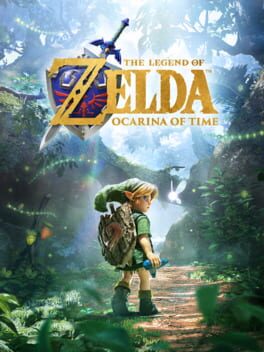
When a tech titan like Google decides to embed a hidden nod to a classic video game, the ripple extends far beyond a fleeting moment of delight for casual browsers. The latest Easter egg, triggered by typing the iconic phrase "Ocarina of Time" into the search bar, summons a tiny Master Sword icon that, when clicked, transports the entire search interface into a stylised recreation of the late‑1990s web. This move is not merely a whimsical tribute; it is a calculated gesture that taps into the deep well of nostalgia that powers both the gaming and internet cultures, reminding users of the era when dial‑up connections, Geocities pages, and pixel‑perfect sprites defined digital life.
Google’s history of interactive homages—ranging from the Splatoon‑themed search skin to Pokémon‑themed doodles—has always straddled the line between marketing flair and cultural commentary. By choosing The Legend of Zelda: Ocarina of Time, a title that is widely regarded as the watershed moment that elevated console gaming into a narrative art form, the company aligns itself with a lineage of experiences that shaped a generation of gamers. In an industry where brand partnerships are increasingly leveraged to deepen engagement, this Easter egg serves as a subtle yet powerful reminder that Google remains a central hub for discovery, capable of curating experiences that echo the formative moments of its users’ digital adolescence.
What Happened?
The implementation is deceptively simple: entering the exact phrase "Ocarina of Time" into Google's search field prompts a miniature Master Sword to appear in the lower‑right corner of the results page. Clicking the sword causes it to retract into its stone pedestal, and the surrounding UI transforms, adopting a muted, pixel‑styled aesthetic reminiscent of early web portals. The search results themselves remain functional, but they are now framed by a nostalgic visual language that evokes the look and feel of the internet circa 1999‑2002, complete with faux‑scrollbars and retro typefaces. The experience is fully client‑side, meaning it loads instantly without redirecting users away from Google's core services.
According to statements from Google’s Doodles team, the Easter egg was conceived as part of a broader initiative to celebrate gaming milestones that have transcended their original platforms. The team cited the cultural resonance of Ocarina of Time—not only as a commercial juggernaut but also as a catalyst for the modern open‑world design philosophy—as the driving force behind the choice. While the feature is currently limited to the desktop search experience, internal sources suggest that mobile adaptations could be explored, potentially integrating haptic feedback to simulate the iconic sound of the Ocarina itself.
Analysis
From a market perspective, the Easter egg operates on multiple strategic fronts. First, it reinforces Google's position as a cultural curator, a role that becomes increasingly valuable as users seek more immersive, context‑rich search experiences. By weaving a beloved gaming artifact into its interface, Google captures additional dwell time and generates organic social buzz, both of which translate into higher ad impressions and brand goodwill. Second, the move subtly underscores the symbiotic relationship between console manufacturers and web giants; Nintendo benefits from renewed visibility among a demographic that may have drifted toward streaming services, while Google capitalises on the evergreen appeal of Nintendo’s intellectual property.
Technically, the deployment showcases Google's prowess in seamless front‑end transformations. The ability to overlay a fully functional, retro‑styled UI without compromising search speed demonstrates the maturity of their progressive web app architecture. Moreover, the Easter egg hints at a future where search interfaces could become more modular, allowing third‑party IP holders to temporarily “skin” Google’s surface for promotional events, anniversaries, or cross‑media launches—a prospect that could open new revenue streams through licensing agreements.
XPLog Opinion
At XPLog UK we view this nostalgic Easter egg as a masterstroke of subtle brand synergy; it reminds seasoned gamers that the internet itself can be a playground, while simultaneously positioning Google as an ally to the gaming community—a stance that could pay dividends as the lines between search, streaming, and interactive entertainment continue to blur.
Final Thoughts
Google’s Ocarina of Time Easter egg is more than a fleeting gimmick; it is a strategic nod to the shared heritage of gaming and the early web, reinforcing the idea that nostalgia can be harnessed as a powerful engagement tool. As the feature rolls out globally, observers should watch for any expansion into mobile platforms or deeper collaborations with Nintendo, which could signal the next evolution of search‑centric, IP‑driven experiences that bridge the past and the future of digital interaction.