
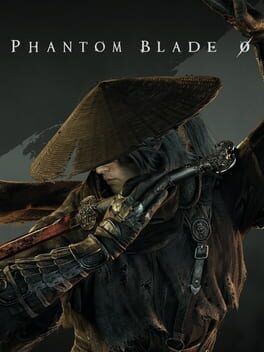
Overview
When S‑Game, a fledgling studio that emerged from the bustling indie scene of Eastern Europe, announced the release of its debut title Phantom Blade Zero, expectations were cautiously optimistic. The game entered a market saturated with high‑budget AAA launches and a steady stream of indie titles vying for visibility on Steam’s ever‑crowded storefront. Yet the broader industry context—marked by a resurgence of retro‑inspired action titles, the growing importance of early access and community‑driven marketing, and Steam’s own strategic push to highlight standout indie successes—created a fertile ground for a breakout moment.
Within three days of its launch, Phantom Blade Zero vaulted past the four‑million‑copy mark, a milestone that not only crowns it as Steam’s biggest launch of the year to date but also eclipses many established franchises that have historically relied on multi‑year sales curves. This achievement arrives at a time when the PC platform is grappling with a shifting consumer base that increasingly values instant gratification, cross‑play compatibility, and post‑launch content pipelines. The absence of a per‑platform sales breakdown adds an element of intrigue, prompting analysts to speculate about the balance between PC, console, and emerging cloud‑gaming audiences in driving such numbers.
What Happened?
The announcement came via Phantom Blade Zero’s official X (formerly Twitter) account, where the studio posted a celebratory graphic accompanied by a brief statement confirming the 4 million‑copy figure. While the post refrained from divulging detailed breakdowns—such as regional performance, platform distribution, or revenue per unit—it underscored the raw volume of sales achieved within a 72‑hour window. The rapid uptake can be attributed to a confluence of factors: a polished pre‑launch demo that garnered positive coverage on major gaming outlets, a strategic price point that appealed to both budget‑conscious gamers and collectors, and a robust influencer campaign that leveraged Twitch and YouTube personalities known for championing indie action titles.
Beyond the headline numbers, the launch was bolstered by S‑Game’s decision to release the game simultaneously on multiple storefronts, including the Epic Games Store and console marketplaces, while maintaining a primary focus on Steam’s discovery algorithms. The studio also rolled out a series of timed events and exclusive in‑game cosmetics that incentivized early purchases, a tactic reminiscent of successful launch strategies employed by titles like Hades and Dead Cells. Moreover, the game’s technical stability—no major patches required in the first 48 hours—helped preserve momentum, allowing word‑of‑mouth recommendations to spread unimpeded across forums and social platforms.
Analysis
From a market performance perspective, Phantom Blade Zero’s launch underscores a pivotal shift in how indie studios can leverage platform ecosystems to achieve blockbuster‑level sales without the backing of a major publisher. Steam’s algorithmic promotion, combined with the platform’s seasonal sales calendar, has historically favored titles that generate early spikes in concurrent players; Phantom Blade Zero’s launch data suggests it has met and exceeded those thresholds, positioning it for sustained visibility in the “Trending” and “Top Sellers” categories for weeks to come. This creates a feedback loop where increased exposure drives further sales, a phenomenon that rivals the “snowball” effect seen in titles like Among Us during its resurgence.
Competitor dynamics also come into play. The action‑oriented indie segment has become increasingly crowded, with studios like Supergiant Games and Team Cherry setting high benchmarks for narrative depth and mechanical polish. Phantom Blade Zero’s success forces these incumbents to reassess their own release strategies, potentially accelerating the adoption of post‑launch live‑service models and cross‑platform sync features. Technically, the game’s performance on a wide range of hardware configurations demonstrates that modern indie engines can deliver AAA‑grade fluidity without sacrificing accessibility—a trend that could encourage more studios to prioritize optimization over graphical excess, especially as the market tilts towards broader hardware diversity, including the rise of handheld PCs.
XPLog Opinion
At XPLog UK, we view Phantom Blade Zero’s meteoric rise as a watershed moment that validates the viability of lean development pipelines paired with savvy community engagement; it proves that a well‑crafted core experience, when amplified by strategic platform partnerships and transparent communication, can outpace even heavily marketed AAA releases in the short term, reshaping the expectations of both publishers and players for what an indie launch can achieve.
Final Thoughts
Looking ahead, the industry will be watching S‑Game’s post‑launch roadmap closely—whether they can sustain momentum through DLC, seasonal events, or cross‑play expansions will determine if this record‑setting debut translates into a lasting franchise. Meanwhile, analysts will keep an eye on Steam’s quarterly reports for any ripple effects on pricing strategies and promotional placements, while competitors may scramble to replicate the formula that turned a modest studio into a headline act within a single weekend.