Overview
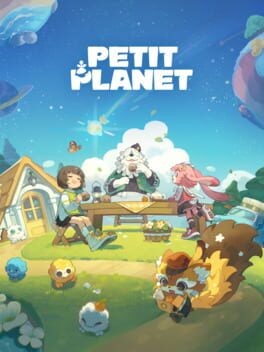
HoYoverse, the Shanghai‑based studio that vaulted to global fame with the open‑world marvel Genshin Impact, has turned its creative gaze toward a gentler, interstellar sandbox with the upcoming release of Petit Planet. The title, billed as a cosy galactic life simulation, marks the company’s first foray onto Nintendo’s forthcoming Switch 2 hardware, a platform that is poised to revive the handheld market with upgraded performance and a revitalised eShop ecosystem. By announcing a 2027 launch for the console, HoYoverse is not merely adding another entry to its diverse portfolio; it is signalling confidence that the next‑generation Nintendo audience is ready for a deeper, service‑driven experience that blends the studio’s signature polish with the low‑stress charm of life‑sim gameplay.
The timing of the announcement dovetails with a broader industry shift toward cross‑platform free‑to‑play ecosystems that aim to capture both casual and core gamers. While Genshin Impact demonstrated that a high‑budget, gacha‑driven model could thrive on consoles, Petit Planet takes a different route, focusing on planetary colonisation, resource management, and community building without the pressure of relentless monetisation. This strategic pivot reflects lessons learned from the volatility of the live‑service market over the past five years, where player fatigue has prompted developers to explore more relaxed monetisation structures. For Nintendo, the partnership offers a rare opportunity to diversify its first‑party‑heavy library with a title that promises long‑term engagement and recurring revenue streams, something the company has historically approached with caution.
What Happened?
During the closing segment of its latest "pre‑launch special program" broadcast, HoYoverse unveiled that Petit Planet will debut on the Switch 2 in 2027, following a staggered rollout that sees the game launch on other platforms on 4 December 2026. The announcement was accompanied by a teaser trailer showcasing the player’s avatar stepping onto a vibrant, procedurally‑generated planet, planting modular habitats, and interacting with whimsical alien fauna. According to the studio’s lead producer, the Switch 2 version will leverage the console’s upgraded GPU and faster SSD to deliver seamless world‑streaming and richer visual fidelity, ensuring that the handheld experience rivals that of current‑gen consoles.
HoYoverse also disclosed that the free‑to‑play model for Petit Planet will be anchored by a cosmetic‑only microtransaction system, deliberately eschewing the traditional loot‑box mechanics that have drawn criticism in the past. The company promises regular content updates, seasonal events, and community‑driven challenges that will keep the galaxy alive for years to come. By positioning the title as a “cosy” experience, the developer hopes to attract a demographic that values low‑stakes progression and creative expression, while still providing enough depth to satisfy the studio’s core audience that expects the intricate world‑building seen in Genshin Impact.
Analysis
The decision to target the Switch 2 with a free‑to‑play life sim is a calculated gamble that could reshape Nintendo’s service‑game landscape. Historically, Nintendo’s handhelds have thrived on premium, one‑off titles, with services like Mario Kart Tour and Pokémon GO representing outliers rather than the norm. Petit Planet’s arrival may act as a catalyst for other third‑party developers to reconsider the viability of sustained live‑service experiences on Nintendo hardware, especially as the Switch 2’s improved hardware mitigates previous performance bottlenecks that plagued early‑generation ports. Moreover, HoYoverse’s reputation for high‑quality art direction and robust backend infrastructure could set a new benchmark for what players expect from free‑to‑play games on the platform.
From a market perspective, the staggered launch schedule allows HoYoverse to fine‑tune the game based on feedback from PC and mobile audiences before committing to the more restrictive Nintendo ecosystem. This iterative approach mirrors the soft‑launch strategies employed by many live‑service studios, reducing risk while building hype across multiple communities. If Petit Planet can maintain a healthy retention curve on its initial platforms, the data will likely justify a generous marketing push on the Switch 2, potentially driving a surge in hardware sales as Nintendo‑centric players seek out the new title.
XPLog Opinion
At XPLog UK, we view HoYoverse’s venture onto the Switch 2 as a watershed moment that could finally bridge the gap between Nintendo’s family‑friendly ethos and the lucrative, albeit contentious, free‑to‑play model. By stripping away predatory monetisation and focusing on cosmetics and community‑driven content, Petit Planet may prove that a sustainable service can coexist with Nintendo’s brand values, offering a template for future collaborations. Should the game succeed, it will not only bolster HoYoverse’s reputation as a versatile publisher but also signal to the industry that Nintendo’s next‑gen handheld is ready to host sophisticated, long‑term online experiences without sacrificing its core identity.
Final Thoughts
In sum, Petit Planet’s 2027 Switch 2 debut represents more than just another title on a new console; it embodies a strategic alignment of HoYoverse’s live‑service expertise with Nintendo’s evolving hardware capabilities. As the release window narrows, the community should keep an eye on HoYoverse’s post‑launch roadmap, the depth of its seasonal content, and the reception of its cosmetic‑only monetisation model. If the stars align, Petit Planet could become the flagship free‑to‑play experience that redefines how Nintendo approaches persistent, community‑centric games for years to come.

 XPLog
02 Nov 2026
4 min read