
Overview
In the waning days of October, as pumpkins flicker and streaming services roll out their seasonal scares, the indie horror scene receives an unexpected jolt from Playable Archive—a 30‑minute, found‑footage style experience released as a free Halloween offering. Its creator, Brian Clarke, is best known for the unsettling success of The Mortuary Assistant, a title that carved a niche in the burgeoning “micro‑horror” market by marrying minimalist design with genuine dread. This new release is more than a seasonal novelty; it is a tangible fragment of a far larger, now‑defunct project that once aimed to fuse the viral appeal of the Paranormal Activity franchise with interactive storytelling, a venture that was abruptly shelved amid shifting publisher priorities and the volatile financial landscape that has plagued many mid‑size studios since the pandemic.
The timing of Playable Archive’s debut is no coincidence. The industry is currently witnessing a resurgence of bite‑sized, experiential demos—think of the recent wave of playable teasers from major publishers attempting to gauge audience reaction before committing to full‑scale productions. This trend reflects a broader market shift where development cycles are being compressed, and community feedback loops are accelerating. By re‑packaging a discarded slice of a larger game as a freebie, Clarke not only capitalizes on this momentum but also navigates the delicate balance between artistic ambition and commercial viability, offering a case study in how indie developers can repurpose abandoned assets to sustain relevance and generate buzz.
What Happened?
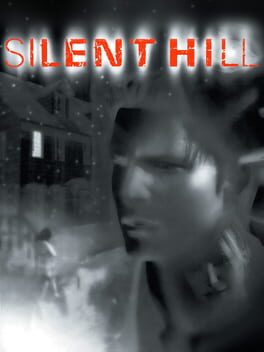
Earlier this week, Clarke announced the release of Playable Archive, a short but polished horror demo that mirrors the aesthetic of the infamous Playable Teaser crafted for Hideo Kojima’s cancelled Silent Hill project. While the demo runs for roughly half an hour, it encapsulates the core mechanics and narrative beats that were intended for the full‑scale Paranormal Activity game—a project that had secured initial funding but fell victim to a confluence of licensing complications and a strategic pivot by the publishing partner toward more proven IPs. In a candid interview, Clarke explained that rather than letting the work languish in obscurity, he chose to “lay it to rest” by gifting it to the community, framing it as both a tribute to the original vision and a testbed for future iterations.
The release also serves as a strategic bridge to Clarke’s flagship title, The Mortuary Assistant, which has cultivated a dedicated fanbase eager for more content. By delivering Playable Archive as a free Halloween treat, Clarke not only re‑engages his existing audience but also seeds the market with fresh interest that could translate into heightened sales and potential expansion packs for his primary IP. Moreover, the demo’s distribution through multiple platforms—Steam, Epic, and console storefronts—signals an intent to broaden reach, leveraging the seasonal surge in horror consumption to maximize visibility.
Analysis
The decision to resurrect a cancelled project in fragmentary form aligns with a growing industry pattern where developers treat unreleased assets as modular content libraries. This approach mitigates sunk costs, allowing studios to extract value from otherwise wasted development hours. From a market perspective, Playable Archive functions as a low‑risk promotional vehicle that can generate organic word‑of‑mouth, particularly within horror‑centric communities on Discord, Reddit, and YouTube. Its free distribution lowers the entry barrier, potentially converting casual players into long‑term supporters of Clarke’s broader portfolio, a tactic reminiscent of the “free‑to‑play” conversion strategies employed by studios like Supergiant Games with their early demos.
However, the move also underscores the precarious nature of indie publishing in an ecosystem dominated by heavyweight franchises and aggressive acquisition strategies. By aligning his demo with a recognizable brand like Paranormal Activity, Clarke navigates the delicate legal landscape of licensed properties, but also risks being pigeonholed as a derivative creator rather than an original auteur. The long‑term impact will hinge on his ability to translate the demo’s intrigue into substantive follow‑up projects, perhaps a sequel to The Mortuary Assistant that expands the universe with the narrative threads hinted at in Playable Archive. If executed adeptly, this could position Clarke as a pioneer of “resurrected IP” development, a niche yet potentially lucrative segment in the post‑pandemic indie market.
XPLog Opinion
At XPLog UK, we view Playable Archive as a masterstroke of indie ingenuity—a pragmatic response to the harsh realities of modern game financing that simultaneously satiates the community’s hunger for fresh horror while preserving the creative DNA of a shelved ambition. Clarke’s willingness to expose unfinished concepts not only demonstrates transparency but also cultivates a sense of co‑ownership among players, a sentiment that can forge lasting brand loyalty in a market where trust is increasingly scarce.
Final Thoughts
Playable Archive may be a brief, ghostly glimpse, but its reverberations could echo far beyond this Halloween season, setting a precedent for how indie developers repurpose cancelled ventures into strategic assets. As we look toward the next quarter, observers should keep an eye on Clarke’s roadmap announcements, particularly any hints of a full‑blown sequel or expansion to The Mortuary Assistant, and watch how platform holders respond to this model of “free‑to‑play demo resurrection.” The industry’s appetite for concise, high‑impact experiences suggests that the spirit of Playable Archive will not be easily laid to rest.