
Overview
In an era where visual identity and narrative framing have become as decisive as core gameplay loops, the indie sector is witnessing a renaissance of thematic cohesion. Developers who once relied on minimalist aesthetics are now layering rich lore, atmospheric art, and meticulously crafted soundscapes onto mechanics that have been around for decades, hoping to capture the attention of a market saturated with high‑budget spectacles. This trend is not merely aesthetic; it reflects a broader shift toward experiential branding, where the story told by a game’s UI, iconography, and even its marketing copy can tip the scales between a fleeting curiosity and a lasting cult following.
Solitaire, in particular, occupies a unique niche in gaming history. Originating as a pastime on early personal computers, its simple drag‑and‑drop interaction became a cultural touchstone for productivity breaks and a benchmark for UI polish. Yet, the very simplicity that made it ubiquitous also rendered it vulnerable to stagnation. Over the past decade, a wave of hybrid titles—ranging from deck‑building roguelikes to narrative‑driven puzzle experiences—has attempted to breathe new life into the solitary card‑play formula, often with mixed results. Against this backdrop, the emergence of Forbidden Solitaire offers a compelling case study in how a well‑executed horror theme can transform an otherwise familiar mechanic into a visceral, story‑driven journey.
What Happened?
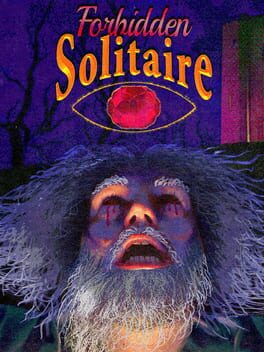
Earlier this month, indie studio Hocking Interactive announced the launch of Forbidden Solitaire, a title that marries the classic match‑three solitaire core with a dark, dungeon‑crawling veneer. Set in a cursed crypt populated by eldritch abominations, players must clear successive screens of playing cards while simultaneously managing a resource system that represents sanity and light. The announcement, delivered via a polished trailer and a detailed dev‑blog, emphasized that every card suit corresponds to a different type of horror—spades as shadows, hearts as blood‑thirsty specters, clubs as twisted flora, and diamonds as crystalline phantasms—creating a layered meta‑game where thematic consistency informs strategic decisions.
Beyond its atmospheric veneer, Forbidden Solitaire introduces a progression loop that mirrors roguelike conventions: each cleared level yields relics that modify card behavior, while failed runs reset the crypt but preserve a handful of permanent upgrades. The developers have also integrated a narrative breadcrumb system, where fragmented journal entries unlock as players descend deeper, gradually revealing the backstory of the forgotten tomb and its malevolent keeper. This blend of mechanical depth and story exposition is designed to keep both casual solvers and hardcore completionists engaged, a duality that Hocking describes as “the perfect marriage of mindless comfort and unsettling tension.”
Analysis
From a market perspective, Forbidden Solitaire arrives at a moment when themed puzzle games are carving out a lucrative niche on both mobile and PC platforms. Titles such as *Grim Fandango*‑inspired *Cardpocalypse* and the gothic‑styled *Inscryption* have demonstrated that players are willing to pay premium prices for experiences that fuse narrative intrigue with familiar mechanics. By leveraging horror—a genre that consistently outperforms other IPs in streaming metrics and merchandise sales—Hocking positions itself to capture cross‑demographic interest, from board‑game enthusiasts to horror aficionados seeking a low‑commitment yet immersive diversion.
Technically, the game’s reliance on a robust card‑matching engine paired with procedurally generated dungeon layouts presents both an opportunity and a risk. If the procedural algorithms fail to deliver a balanced difficulty curve, the experience could swing between frustratingly opaque and trivially easy, undermining the tension that the horror theme strives to create. Moreover, the decision to launch simultaneously on Steam, Nintendo Switch, and select mobile storefronts reflects an ambition to dominate multiple ecosystems, but it also demands rigorous QA across disparate hardware. Success here could set a precedent for indie studios aiming to achieve “triple‑platform” launches without sacrificing polish, while any shortcomings may reinforce the prevailing caution among publishers about spreading resources too thin.
XPLog Opinion
At XPLog UK, we view Forbidden Solitaire as a litmus test for the power of thematic integration in revitalising legacy mechanics. The game’s meticulous alignment of card suits with horror archetypes, combined with its layered narrative delivery, demonstrates that even the most time‑worn formulas can be reborn when developers treat theme not as a superficial garnish but as an intrinsic design pillar. Should the title meet its lofty ambitions, it will signal to publishers that investing in strong IP‑driven aesthetics—especially within the indie space—can yield returns comparable to larger, genre‑defining releases, encouraging a wave of similarly ambitious hybrids in the years to come.
Final Thoughts
Forbidden Solitaire stands poised to challenge preconceived notions about what a solitaire‑style game can achieve, blending horror storytelling with deep strategic layers to craft an experience that feels both familiar and unsettlingly fresh. With its global launch slated for early November and a roadmap that hints at post‑release expansions—including new crypts, alternate horror mythologies, and community‑driven challenge modes—players and analysts alike should keep a close eye on sales charts, player sentiment on forums, and the developer’s ability to sustain momentum beyond the initial hype cycle.