
Overview
The final week of October has once again proven that the video‑game calendar refuses to quiet down simply because the calendar flips. Nintendo, long‑standing master of timed hype, has flooded the market with a cascade of announcements that touch every corner of its ecosystem, from flagship hardware to the smallest indie title. This relentless output is not merely a marketing blitz; it is a strategic response to a competitive landscape where Sony’s PlayStation 5 continues to dominate high‑end sales and Microsoft’s Xbox Series X|S leans heavily on subscription services. By layering a premium Zelda Switch 2 special edition, a fresh batch of Game Boy‑era classics on the Nintendo Switch Online (NSO) service, and a curated Indie World Showcase, Nintendo signals that its hybrid console is still the nucleus of its brand identity, even as the next‑generation Switch 2 looms on the horizon.
At the same time, the announcement that the indie title The Duskbloods has been pushed back to 2027 serves as a reminder that development pipelines can be as fragile as they are ambitious. The delay, while disappointing to the niche community that follows indie releases, also underscores Nintendo’s willingness to give smaller studios the breathing room required to meet the increasingly high bar set by the company’s own internal projects. In a broader sense, the juxtaposition of a swanky, collector‑oriented Zelda hardware launch with the sobering reality of a two‑year postponement for an indie game encapsulates the duality of Nintendo’s current market posture: a blend of nostalgia‑driven premiumization and a cautious stewardship of its burgeoning indie ecosystem.
What Happened?
The Indie World Showcase, unveiled during the same week as the Zelda hardware drop, presented a slate of titles that range from pixel‑perfect platformers to experimental narrative adventures. Among the announced projects, The Duskbloods—an action‑RPG that promised a dark, mythic reinterpretation of classic high‑fantasy tropes—stood out, only to be quietly removed from the 2024 lineup and rescheduled for a 2027 release. Nintendo’s official statement framed the postponement as a “strategic realignment” to ensure the title could fully exploit the technical capabilities of the forthcoming Switch 2 hardware, a move that mirrors past instances where the company delayed games to coincide with hardware upgrades, such as the shift of certain Wii U titles to the Switch.
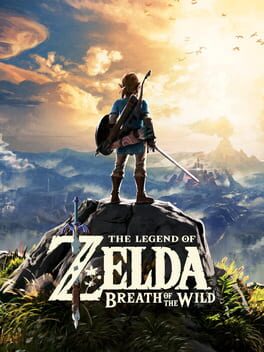
Concurrently, Nintendo rolled out a limited‑edition Zelda Switch 2, featuring a redesigned shell, a custom Joy‑Con color scheme, and a set of exclusive digital content that includes a remastered version of Ocarina of Time for the Switch 2’s enhanced GPU. The launch also coincided with the addition of several classic Game Boy cartridges—originally released in the early ’90s—to the NSO catalogue, a nostalgic nod that reinforces Nintendo’s long‑term commitment to its handheld legacy. Meanwhile, The Pokémon Company announced the imminent shutdown of Pokémon Unite’s online services, citing a strategic pivot toward new multiplayer experiences, and rumors of a “Switch 2 Lite” model have begun to circulate across forums, feeding speculation about a more affordable entry point for the next‑gen platform.
Analysis
The immediate market impact of these moves is twofold. First, the premium Zelda Switch 2 edition acts as a halo product, driving early adopter sales and reinforcing the brand equity of Nintendo’s flagship IP at a time when console‑generation fatigue threatens to erode consumer enthusiasm. Second, the expansion of the NSO library with Game Boy titles not only bolsters subscription retention but also leverages Nintendo’s extensive back‑catalog to differentiate its online service from rivals that rely heavily on modern titles. By aligning these releases with the Indie World Showcase, Nintendo creates a narrative of continuity—new hardware, new content, and a thriving indie scene—despite the conspicuous delay of a high‑profile indie title.
From a competitive standpoint, the postponement of The Duskbloods to 2027 may inadvertently benefit Sony and Microsoft, whose own indie ecosystems have been buoyed by aggressive cross‑platform support and first‑party funding initiatives. However, Nintendo’s cautious approach could also be interpreted as a protective measure, ensuring that indie releases do not cannibalize the sales window for flagship titles on the Switch 2. The speculation surrounding a Switch 2 Lite mirrors historical patterns observed with the introduction of the Nintendo Switch Lite in 2019, which successfully opened the platform to a price‑sensitive demographic without cannibalizing the sales of the full‑size console. If executed correctly, a Lite variant could extend the console’s lifespan and provide a buffer against the inevitable lull that follows a major hardware launch.
XPLog Opinion
From XPLog’s perspective, Nintendo’s October onslaught is a masterclass in ecosystem engineering. The company is deftly weaving together nostalgia, premium hardware, and a curated indie pipeline to maintain relevance in a market that increasingly rewards subscription‑based, cross‑platform experiences. While the delay of The Duskbloods is a disappointment for indie aficionados, it also illustrates Nintendo’s commitment to quality over rushed releases—a philosophy that has paid dividends in the past with titles like The Legend of Zelda: Breath of the Wild. The real test will be whether the upcoming Switch 2 and any potential Lite version can sustain the momentum generated by this week’s announcements, especially as competitors double down on cloud gaming and expansive multiplayer ecosystems.
Final Thoughts
In summary, Nintendo’s latest wave of announcements reaffirms its strategy of leveraging iconic franchises and retro appeal to fortify the Switch 2’s launch window, while simultaneously nurturing an indie environment that, albeit slower, remains a cornerstone of the platform’s identity. Players should keep an eye on the official release dates slated for early 2025, the anticipated reveal of a Switch 2 Lite later this year, and the eventual rollout of The Duskbloods in 2027, all of which will shape the competitive dynamics of the console market for the remainder of the decade.