Overview
The gaming calendar for the final weekend of October 2026 reads like a micro‑cosm of the broader shifts reshaping the medium: legacy studios are being re‑engineered, long‑running franchises are flirting with daring new directions, and a Chinese‑born action title is proving that cultural reclamation can translate into commercial success on a global stage. EA's decision to shutter BioWare—a studio synonymous with narrative‑driven RPGs such as Mass Effect and Dragon Age—has sent shockwaves through both investor circles and fan communities, prompting a reassessment of how publishers allocate resources between story‑heavy experiences and blockbuster shooters. Meanwhile, Ubisoft's cryptic "Hexe" codename for the next Assassin's Creed iteration hints at a thematic pivot that could redefine the series' relationship with historical fidelity and mythic storytelling, while the emergence of Phantom Blade Zero, a Wuxia‑infused action game from Beijing’s S‑Game, illustrates how regional aesthetics are breaking into the mainstream console ecosystem.
These headlines do not exist in a vacuum; they are tethered to a market that is currently grappling with the twin pressures of rising development costs and an increasingly fragmented player base. The post‑pandemic era has seen console manufacturers double‑down on hardware differentiation—PlayStation 5's performance mode versus Xbox Series X's cloud‑first strategy—while subscription services like Xbox Game Pass and PlayStation Plus Premium are reshaping revenue models. In this context, the weekend's announcements serve as a barometer for where the industry believes the next growth pockets lie: high‑budget IPs with guaranteed multiplayer lifespans, agile mid‑tier titles that can capture niche cultural moments, and a renewed focus on live‑service ecosystems that keep players engaged beyond launch windows.
What Happened?
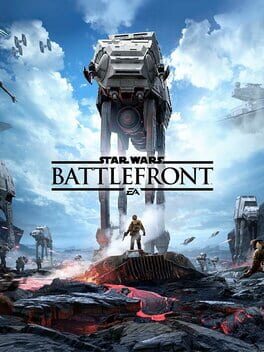
EA confirmed that BioWare will be closed as part of a strategic realignment aimed at funneling talent and capital into the next instalment of Star Wars Battlefront, a decision that effectively sidelines the next Mass Effect project that had been quietly gestating under the studio's roof. Executives cited the need to "double‑down on proven, high‑margin franchises" and highlighted the synergy between Star Wars' cinematic appeal and EA's existing publishing infrastructure. The move sparked a wave of speculation about talent migration, with former BioWare staff rumored to be scouting opportunities at indie studios or at competing AAA houses that are hungry for narrative expertise. Simultaneously, Ubisoft released a detailed update on the Assassin's Creed roadmap, unveiling the codename "Hexe"—German for witch—and promising a new Game Plus mode for Valhalla that will extend end‑game longevity. The company also clarified that no further remakes are on the immediate horizon, signalling a shift from nostalgia‑driven releases toward original IP development and iterative enhancements of existing titles.
The most unexpected entry in the weekend roundup was Phantom Blade Zero, a title that marries traditional Chinese Wuxia lore with cutting‑edge Unreal Engine 5 technology. S‑Game, the Beijing‑based developer, leveraged a previously censored cultural motif to craft a combat system that emphasizes fluidity, precision, and narrative weight, delivering a visual fidelity that rivals many western triple‑A productions. Critics praised the game's weapon mechanics, noting that each blade feels like a distinct character class, and highlighted the 40‑hour campaign that balances high‑octane set‑pieces with exploratory world‑building. The game’s performance on PlayStation 5—particularly in the console's Graphics Mode—has set a new benchmark for how Asian developers can optimise for hardware that was historically dominated by western studios.
Analysis
The closure of BioWare underscores a larger trend where publishers are consolidating around franchises that promise cross‑media synergy and robust multiplayer ecosystems. While EA's focus on Star Wars Battlefront III may deliver short‑term shareholder confidence, it risks eroding the goodwill cultivated by BioWare's narrative pedigree, potentially alienating a segment of the core gamer demographic that values deep storytelling over spectacle. Moreover, the decision may accelerate talent exodus, enriching the indie sector but also creating a talent vacuum that could hamper future AAA narrative ambitions across the industry.
Ubisoft's Hexe reveal, on the other hand, appears to be a calculated gamble: by embedding mythic elements into the Assassin's Creed formula, the studio is attempting to rejuvenate a franchise that has shown signs of fatigue after annual releases. The introduction of New Game Plus for Valhalla is a direct response to community demand for replayability, and the abandonment of further remakes suggests Ubisoft is reallocating resources toward original content pipelines—an approach that could pay dividends if executed with the same polish that has historically defined the series. In parallel, Phantom Blade Zero's success illustrates how regional storytelling can achieve global resonance when paired with technical excellence, hinting at a future where Western publishers may seek partnerships with Asian studios to diversify their portfolios and tap into under‑explored cultural narratives.
XPLog Opinion
From XPLog's perspective, the weekend's announcements are a clear sign that the industry's pendulum is swinging back toward risk‑aware, data‑driven development, but not without a healthy dose of creative ambition. EA's BioWare shutdown is a cautionary tale about the perils of over‑centralising around blockbuster franchises, yet it also opens a window for smaller studios to inherit a pool of seasoned writers and designers hungry for creative freedom. Ubisoft's Hexe direction feels like a necessary evolution—mixing folklore with the franchise's trademark parkour—while Phantom Blade Zero proves that authenticity and technical prowess can coexist, offering a template for future cross‑cultural collaborations. Players should brace for a landscape where narrative depth, cultural authenticity, and live‑service longevity are the new battlegrounds for studio relevance.
Final Thoughts
In sum, the weekend's headlines encapsulate a pivotal moment: legacy studios are being repurposed, iconic franchises are re‑imagined through mythic lenses, and emerging developers are challenging the status quo with culturally rich, technically sophisticated experiences. As we head into the holiday season, the industry will watch closely how EA's Battlefront III performs, whether Ubisoft's Hexe lives up to its witchy promise, and if Phantom Blade Zero can sustain its momentum beyond the initial hype. Keep an eye on EA's Q4 earnings release in November, Ubisoft's E3 showcase in June 2027, and S‑Game's post‑launch support roadmap slated for early 2027—all of which will shape the next chapter of the gaming narrative.

 XPLog
30 Oct 2026
5 min read