
Overview
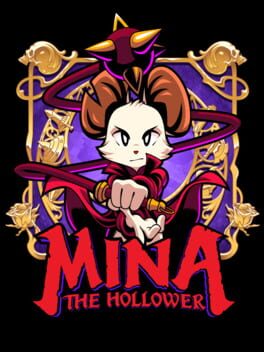
When Yacht Club Games first burst onto the scene in 2014 with the pixel‑perfect retro platformer Shovel Knight, the indie studio quickly became a poster child for the resurgence of 2D action‑adventure titles that blend nostalgic aesthetics with modern design philosophy. Over the ensuing years, the studio cultivated a reputation for meticulous craftsmanship, community engagement, and an unwavering commitment to delivering downloadable content that feels like a natural extension of the core experience. This pedigree set the stage for their latest foray, Mina the Hollower, a title that not only earned Game of the Year nominations but also demonstrated that the studio could successfully pivot to a darker, narrative‑driven Metroidvania without alienating its fanbase.
In the broader context of the current console generation, where major publishers are doubling down on live‑service ecosystems and AAA studios dominate the headlines, an indie studio achieving sustainable financial stability is a noteworthy anomaly. The market has seen a wave of crowdfunding successes and boutique studios securing multi‑million dollar publishing deals, yet many still grapple with cash‑flow volatility after a hit releases. Mina the Hollower’s commercial performance, bolstered by strong digital sales across PlayStation, Xbox, Switch, and PC platforms, has provided Yacht Club Games with a rare runway—enough to fund a new, technically ambitious project while preserving the creative autonomy that has become its hallmark.
What Happened?
During a recent livestream Q&A, Yacht Club’s co‑founder and lead designer Sean Velasco confirmed that the majority of the studio’s development resources have now been reallocated to a brand‑new 3D title, widely speculated to be Shovel Knight 3D. The announcement clarified that while the core team will continue to support post‑launch content for Mina the Hollower, the focus has shifted toward building a fully realized three‑dimensional world that retains the series’ signature combat rhythm and pixel‑art charm, now rendered in a modern engine. Velasco emphasized that the decision was not a reactionary pivot but a strategic expansion made possible by the revenue cushion Mina generated, allowing the studio to take calculated risks without jeopardizing its fiscal health.
In addition to the internal staffing shift, Yacht Club disclosed that they have entered preliminary talks with several platform holders for exclusive marketing support, hinting at potential timed‑exclusivity windows that could further amplify the project’s visibility. The studio also hinted at leveraging the same narrative depth and world‑building expertise that made Mina resonate, promising a 3D adventure that will explore new storytelling mechanics while preserving the tight, responsive controls that fans have come to expect. No concrete release window was provided, but the team indicated a development timeline that aligns with the typical 18‑ to 24‑month cycle for mid‑scale 3D projects.
Analysis
The move to a 3D Shovel Knight represents both an opportunity and a risk for Yacht Club Games. Historically, indie studios that have successfully transitioned from 2D to 3D—such as Supergiant Games with Hades 2 or Playdead with the unreleased 3D project—have done so by leveraging existing IP equity to secure larger budgets and attract talent with specialized 3D pipelines. Yacht Club’s financial cushion from Mina allows them to invest in new technology stacks, likely Unity’s HDRP or Unreal Engine, and to expand their art and engineering teams without overextending. However, the technical leap introduces complexities around camera control, level design, and performance optimization across heterogeneous hardware, especially the Switch, which has been a cornerstone of the studio’s market reach.
From a market dynamics perspective, the announcement positions Yacht Club directly against both established 3D platformers from larger studios and a growing cadre of indie titles seeking to revive the classic platforming formula in three dimensions. Competitors such as Team Cherry’s upcoming 3D iteration of Hollow Knight and the upcoming releases from Devolver Digital will vie for the same niche audience—players craving tight controls, rewarding difficulty, and handcrafted worlds. Yacht Club’s advantage lies in its brand loyalty and the proven ability to monetize post‑launch content, which could translate into a robust DLC roadmap that sustains revenue streams long after launch, a model that has become increasingly vital in today’s post‑launch monetization landscape.
XPLog Opinion
At XPLog UK we view Yacht Club’s pivot as a bold affirmation that indie studios can still chart ambitious growth paths without sacrificing their core identity; the success of Mina the Hollower has effectively bought the studio a financial buffer that many of its peers lack, and the decision to channel that stability into a 3D Shovel Knight is a calculated gamble that could redefine the studio’s long‑term trajectory, potentially elevating it from a beloved retro‑platformer boutique to a versatile developer capable of delivering high‑quality experiences across multiple dimensions.
Final Thoughts
In sum, Yacht Club Games’ announcement marks a pivotal moment where artistic ambition meets fiscal prudence, setting the stage for what could become one of the most compelling 3D platformers of the current console era. As the studio refines its vision, players and analysts alike should keep an eye on upcoming milestones—particularly the unveiling of a technical demo at the next major gaming showcase and any confirmed partnership details with platform holders—which will provide clearer signals about the project’s scope and its potential to reshape both the Shovel Knight franchise and the indie 3D platformer landscape.