
Overview
The horror genre, once the exclusive domain of high‑powered consoles and PC rigs, has found an unlikely sanctuary on Nintendo’s hybrid platform. While the company’s flagship franchises have traditionally championed bright, family‑friendly adventures, the past five years have witnessed a steady infiltration of dread‑laden titles into the Switch library, a shift catalysed by the console’s unprecedented sales momentum and its appeal to a broad, mobile‑first audience. This transformation is not merely a curiosity; it reflects a broader industry trend where developers seek to marry the immediacy of handheld play with the visceral impact of horror, leveraging the Switch’s unique blend of portability, local multiplayer, and a thriving indie ecosystem to deliver scares on the subway, in a dorm room, or even on a late‑night camping trip.
Concurrently, the looming arrival of the next‑generation Switch 2—rumoured to boast a more powerful GPU, higher‑refresh‑rate display, and expanded storage—has injected fresh optimism into the horror development pipeline. Analysts at IDC note that portable gaming revenue grew by double‑digit percentages in the last fiscal year, and horror titles consistently rank among the most played genres during seasonal spikes such as Halloween. This confluence of hardware evolution, market appetite, and cultural moments creates a fertile ground for both established studios and boutique creators to experiment with atmospheric storytelling, adaptive audio, and innovative control schemes that were previously constrained by the original Switch’s modest specifications.
What Happened?
Earlier this week NintendoLife published a comprehensive guide that curates the definitive list of horror experiences available on both the original Switch and the forthcoming Switch 2. Framed with a tongue‑in‑cheek warning to “pack a spare pair of underpants,” the article serves as both a seasonal celebration and a strategic catalogue, spotlighting titles that range from polished AAA ports to experimental indie gems. The guide’s editors emphasise that the selection has been refreshed to incorporate the first wave of Switch 2‑optimised releases, signalling that developers are already exploiting the hardware’s enhanced capabilities to push atmospheric fidelity and frame‑rate stability beyond the limits of the original platform.
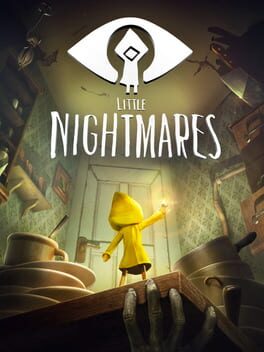
Among the highlighted entries are long‑standing horror stalwarts such as Resident Evil 4 and The Evil Within, which have been meticulously patched to run at 60 fps on the Switch 2, as well as indie breakthroughs like Detention and Little Nightmares II, whose art‑direction thrives on the console’s intimate screen size. The guide also draws attention to niche experiments—procedurally generated dread in “Darkwood,” narrative‑driven tension in “The Dark Pictures Anthology,” and the quirky terror of “Spooky's Jump Scare Mansion”—illustrating how the platform now supports a spectrum of horror sub‑genres, from survival to psychological and even comedic fright.
Analysis
From a market perspective, the expansion of horror on Nintendo’s handheld ecosystem signals a diversification of the company’s software revenue streams. Historically, Nintendo’s top‑selling titles have been family‑oriented or platformers, but the horror segment now accounts for a measurable share of digital storefront traffic, especially during the October‑November window when consumer interest peaks. This trend dovetails with the broader industry pivot toward “games as a service” models, where developers can sustain player engagement through seasonal events, DLC expansions, and community‑driven content—strategies that align well with horror’s episodic nature and its appetite for replayability via multiple endings and hidden lore.
Looking ahead, the Switch 2’s upgraded hardware promises to dissolve many of the technical compromises that have hampered horror experiences on the original console. Higher resolution textures, more robust CPU cores, and improved audio processing will enable developers to craft denser soundscapes and more intricate lighting effects—critical components for building tension. Moreover, the anticipated integration of a dedicated haptic feedback motor could introduce tactile scares that complement visual and auditory cues, a feature that rival platforms have already begun to exploit. Should Nintendo fully embrace these possibilities, we may witness a resurgence of first‑party horror initiatives, potentially positioning the Switch family as a premier destination for narrative‑driven, atmospheric titles in a market still dominated by PlayStation’s “The Last of Us” franchise and Xbox’s “Alan Wake II.”
XPLog Opinion
At XPLog UK we view the burgeoning horror catalogue on the Switch and its imminent successor as a calculated strike by Nintendo to broaden its demographic reach without alienating its core audience. By curating a library that satisfies both casual players seeking a quick scare on a commute and hardcore enthusiasts demanding cinematic fidelity, Nintendo is effectively future‑proofing its handheld lineage against the encroaching dominance of cloud‑gaming services. The strategic inclusion of horror titles also serves a dual purpose: it reinforces the Switch’s reputation as a versatile all‑rounder while subtly nudging consumers toward the premium experience promised by the Switch 2, thereby driving upgrade cycles and sustaining long‑term platform loyalty.
Final Thoughts
In sum, the convergence of a refreshed horror guide, the imminent launch of a more powerful Switch iteration, and a market hungry for portable terror creates a perfect storm that could redefine Nintendo’s identity in the horror arena. Players should keep an eye on the official Switch 2 reveal slated for early next year, as well as upcoming releases like “Silent Hill: Ascension” and “Amnesia: The Bunker,” which are poised to leverage the new hardware’s capabilities. Whether you’re a seasoned veteran of the genre or a newcomer daring to explore the dark corners of your handheld, the next chapter of horror on Nintendo promises to be both technically impressive and culturally resonant.